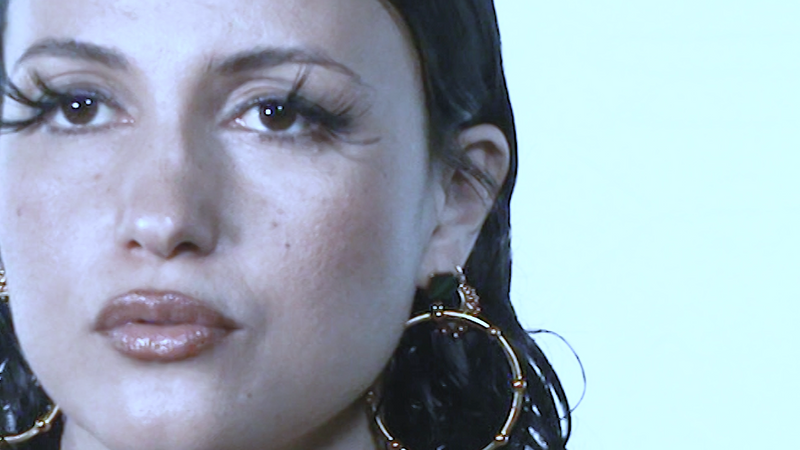
Get Familiar: Sabri
-
Get Familiar
-
Get Familiar

Interview by Passion Dzenga
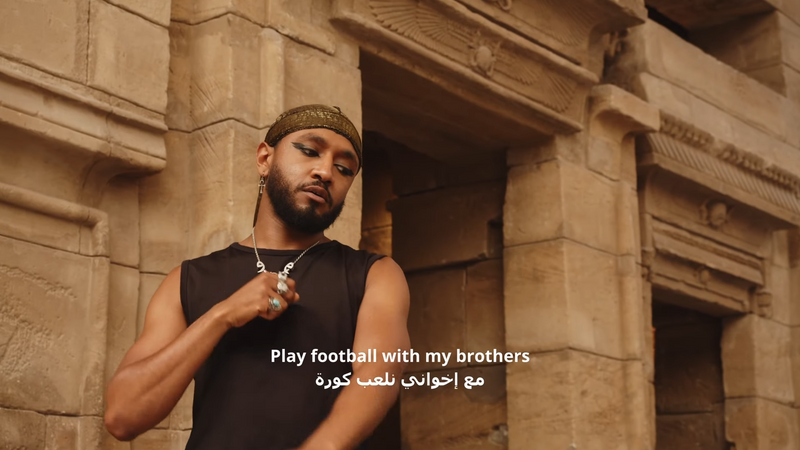
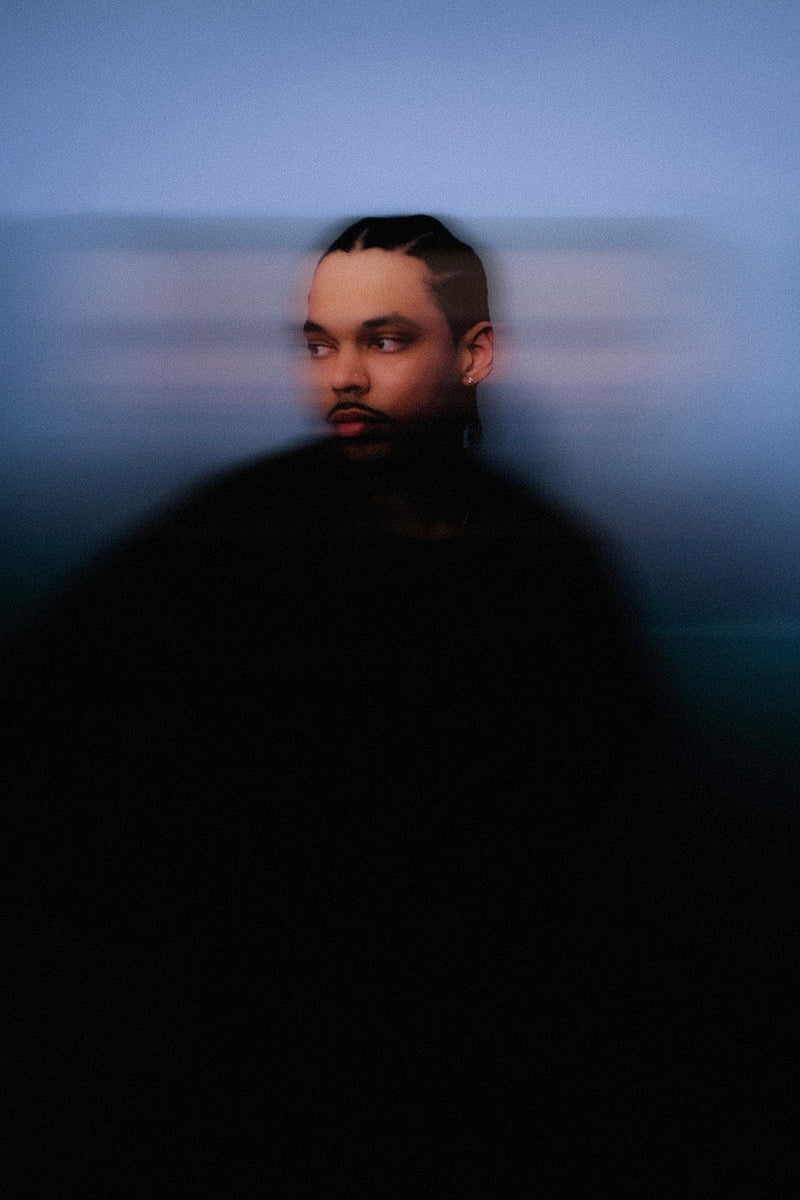
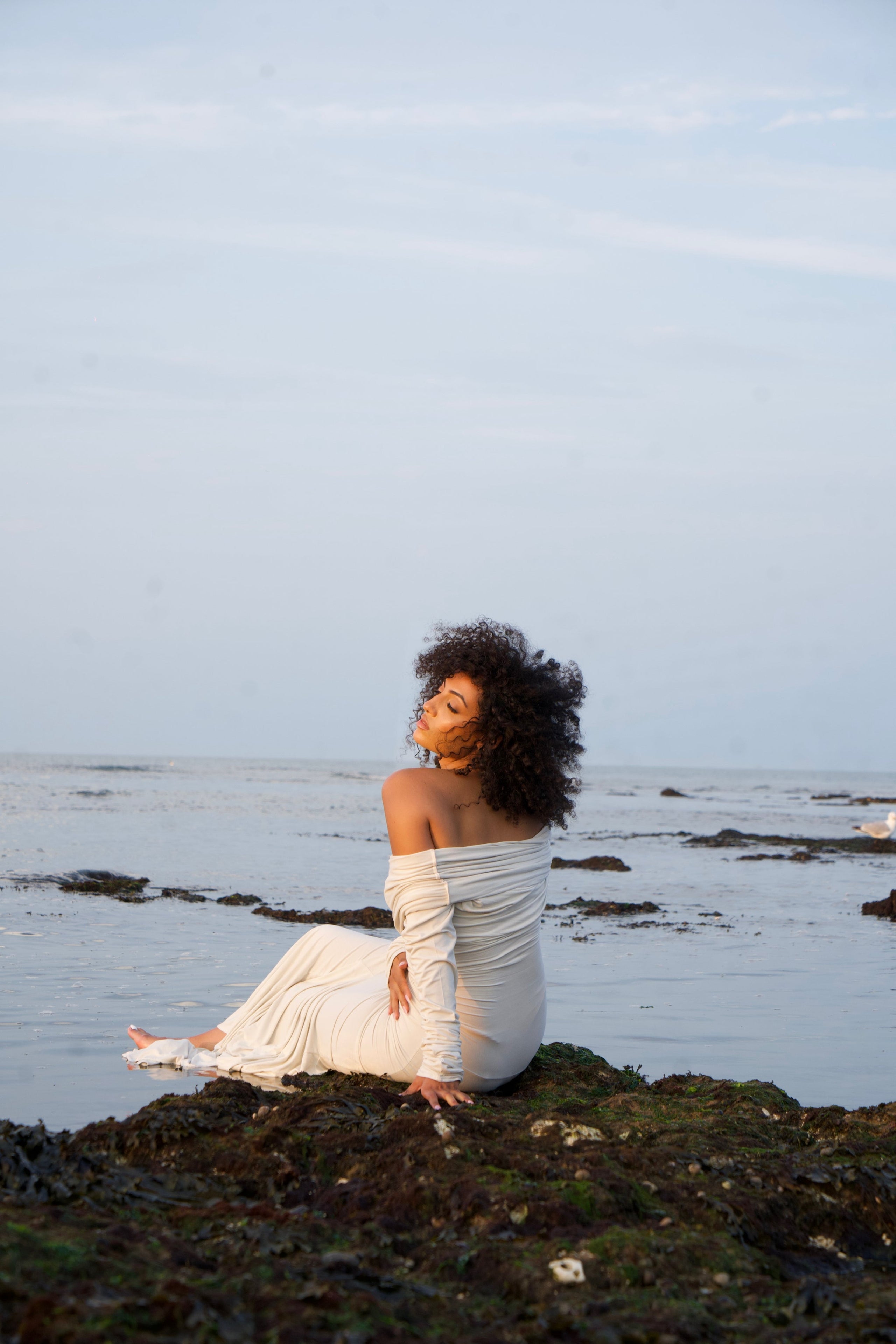
Today, we’re chopping it up with SABRI - a soulful artist blending R&B, Hip-Hop, and Pop with her own raw edge. Born to a Moroccan father and Algerian mother, SABRI got hooked on music early, vibing to icons like Lauryn Hill, Aaliyah, and Mary J. Blige before she could even tie her shoes. That fire pushed her to the mic, and now, she’s racking up millions of streams with a sound that’s all her own. This year, she’s leveled up, landing on tracks with Nigerian rap star Olamide and Grammy-nominee Yung Bleu. And now, she’s dropping ‘Ring By Spring,’ a reggae-infused anthem produced by Sak Pasé. It’s all about self-worth, moving on, and female empowerment, showcasing SABRI’s raspy, soulful vocals that never miss. After her breakout 2022 EP Actually, I Can, she’s back and ready to claim her space in the game.
Can you share a moment from your childhood when you knew that music was your calling?
I must’ve been around 4 or 5 years old when I performed solo at a school play. I remember seeing the joy on people’s faces and their reactions after I was done. That’s when I started realizing that I might be gifted with something special. That moment stuck with me and made me want to keep performing.
Your music uniquely blends R&B, Pop, House, and Soul. How did you find your distinctive sound, and how has it evolved over the years?
Growing up in the Netherlands exposed me to so many different cultures and styles of music. The diversity sparked my curiosity to explore music outside the country as well. I was also influenced by my family. My dad’s collection had everything from reggae to soul, and my brother listened to different artists like A Tribe Called Quest, Maxwell, Nirvana, and more. Hearing so many genres growing up made me more open and versatile as both a songwriter and a vocalist. Over time, I think I became a blend of everything I’ve absorbed. At this point, it’s hard to pinpoint exactly who influenced me—I'm a mix of so many different elements.
You've worked with incredible artists like Olamide, Yung Bleu, and Full Crate. How have these collaborations influenced your artistry, and what have you learned from these experiences?
Each of these artists are so different, not just in terms of genre, but in the way they approach their craft. I’ve learnt a lot by adapting to their styles and processes. It’s pushed me creatively and opened my mind to new ways of working and thinking about music.
Your new single ‘Ring By Spring’ explores themes of empowerment and self-worth. What inspired this track, and what message do you hope listeners take away from it?
It’s a personal story. The title says a lot, but what I really want listeners to understand is that it’s okay to set boundaries and choose yourself. Life’s too short to wait for someone who doesn’t appreciate what they have. I hope people hear this song and feel like they’re not alone in their experiences. It’s about recognizing your worth and having the courage to move on.
How was the experience of working with Sak Pasé on this single, and what unique elements did he bring to the production?
Sak Pasé is the element, honestly! Working with him felt like a full-circle moment for me. I told him this when we first met, but years ago, I met Rock City, who wrote "Man Down" for Rihanna, and that meeting really sparked my decision to take songwriting seriously. So, working with Sak now ,who obviously produced that record, feels like a dream come true.
‘Ring By Spring’ marks your first solo release since 2022. How does it feel to be back, and what can we expect from you musically in the coming months?
It feels amazing! I’m so excited to be back with new music. I took my time to create exactly what I wanted, and Ring By Spring is just the beginning. You can expect an EP early next year, and this single is a first taste of what’s to come.
Female empowerment is a recurring theme in your music. How do your personal experiences shape the way you address this topic in your songs?
My music comes from my own personal experiences, and that’s where the power and emotions come from. I try to translate my feelings, whether it's pain, strength, or joy, into melodies and lyrics. When it’s coming from a real place, it’s authentic and people can feel it. I think that’s why themes of empowerment naturally show up in my songs.
How do you balance incorporating different genres like reggae in ‘Ring By Spring’ with maintaining your signature sound?
For me, the foundation of all music is soul, and that’s always where I come from. No matter what genre I’m blending, whether it’s reggae, R&B, or pop, I approach it in a soulful way. It’s second nature for me to mix different genres, but I always do it in the ‘SABRI’ way, staying true to my sound.
You’ve achieved significant milestones, but what’s next on the horizon? Are there any upcoming projects or collaborations that you're particularly excited about?
Definitely stay tuned for my EP, which is dropping early next year.
There’s so much I’m excited about, and I can't wait for people to hear what I’ve been working on.
What advice would you give to young artists, especially those from diverse backgrounds, who are looking to break into the music industry?
Believe in your talent and stay true to who you are. Coming from a diverse background can feel like a challenge at times, especially in an industry that can often push a specific image or sound. But that diversity is also your strength. It gives you a unique perspective that no one else has. Embrace your roots and let them influence your music in an authentic way. The most important thing is to stay authentic, work hard, and never let anyone make you feel like you don’t belong. Your voice matters, and your story deserves to be heard.
With millions of streams and a new single, ‘Ring By Spring,’ you don’t want to miss out. Check her out, vibe with her tracks, and see why SABRI is the voice you need on your playlist.
Related Articles
-
Interview by Liesje Verhave | Photography by nothing_._yetTYSON has always existed in a musical space of her own, one where alternative textures meet an R&B sensibility, and where collaboration feels as instinctive as solitude. We connect with her to discuss her featuring on Sam Akpro’s new single “Wayside”, The release follows a steady run of celebrated work, from her 2024 CHOAS EP to collaborations with artists such as Leon Vynehall, Dean Blunt and Coby Sey, as well as her recent appearance on Yazmin Lacey’s “Water.” Alongside her music, TYSON continues to build community through Ladies Music Pub, the London-based collective she co-founded to support women and gender-nonconforming people in the industry.In this conversation, TYSON reflects on the making of “Wayside”, the evolving nature of collaboration, and how her creative process is shifting, shaped by new environments, new experiences, and the realities of motherhood.We wanted to connect with you because of the release of the new single by Sam Akpro “Wayside” that you featured on. How was it working on that tune, and what was the process like when he first shared it with you?For me, it wasn’t an unusual process, but it was a different one. He had already started the song, not in its finished form, but enough to have an early version - and then he thought of me to feature on it. A lot of the features I’ve done have either been someone featuring on my work or us starting something from scratch together. So it was really nice that he had already begun something and thought I could add to it.I came down to the studio, heard the early version, and we just started trying things out. It ended up being quite an eventful day. I had sketched out some ideas and was about to record when the fire alarm went off. At first, there were sirens and lots of people everywhere, but both Sam and I were very chill and didn’t think it was serious. Then his friend, who was helping produce, was like, “No guys, I think something’s actually happening.” It turned out the building next door was really on fire. Everyone was okay, but we had to run down the stairs. I even had my coffee with me because I really thought it wasn’t a big deal. Then I looked over and saw flames coming out of the side of the building. So for quite a calm song, it was definitely a dramatic afternoon.Did the eventful afternoon influence how the song ended up? Definitely, it added to the energy, and it’s a good story. It’s funny because the song itself is so calm, but the day we made it was the complete opposite.You mentioned that Sam picked you for the tune and that this collaborative process was a bit different from how you usually work. Can you talk about how your collaborations usually come about, and what made this one unique?A lot of the people I’ve collaborated with are friends. I didn’t know Sam Akpro before we met to do this. Someone like Coby Sey is a long-term, consistent collaborator, and because we’re friends, the process usually starts there and then we make something from scratch. Working with Leon Vynehall was similar, we knew each other, but became closer while working together, and we made something from scratch for his project.Most of the people I’ve worked with, especially in London, I’ve met through music scenes, partying, and mutual friends. I like that process, because you get to feel someone’s vibe first. Usually, by the time we make something, there’s a sense of how it’s going to go because you’ve met each other beforehand.Since having my daughter in 2024, though, I’ve done more sessions that have been set up through my publisher and management. That means I’m often meeting people for the first time in the studio, which is very different. This song is part of that era, but it felt aligned with the way I’ve worked before because Sam and I come from a similar world, and our music fits well together. If we hadn’t met through the song, I think we would have met very soon anyway.How has meeting people for the first time in the studio and immediately working on a song influenced you as an artist?I’ve learned a lot from those sessions. I really wanted to write more for other artists, and it lets me use my creativity in a different way. I love lots of different styles of music, but I don’t necessarily want to perform all of them myself, so it’s a nice way to experiment with different genres and writing styles.I haven’t done many writing camps, but I did one in Sweden for women and non-binary artists, producers, and writers. I was there as a writer, and I think those spaces are a good exercise in just going into a room and making things. It’s less about ego and more about being open. Quite a lot of what we made had a bunch of people on it, and only later did you start thinking about who it was for.I think those sessions are a bit like blind dates. It’s always good to start by talking for a bit and listening to some music together if you’ve never met. Sometimes it’s nice to just see what happens, but sometimes it also helps if there’s some intention from the start — whether that’s for someone’s album, or for your own project — so you don’t get to the end and think, “I’m not actually sure I’d put this out.”How was your experience participating in the writing camp in Sweden, especially since you grew up there for part of your life? Do these different cultural experiences inform your work?Definitely. It was actually really interesting to go back there in that context. I lived in Sweden from age 15 to 20, and also spent quite a lot of time there in my early 20s. The last time I properly lived there, I was around 26, and I remember thinking, “That’s it — I know I don’t want to live here again.” I knew I wanted to spend time there, but I also knew my soul didn’t really belong there.So I stopped going as much, and a lot of my experiences there are rooted in youth. But in recent years, I’ve gone back more for work, and that’s been really interesting. There are so many amazing and inspiring artists there. I met people at the camp and then returned for more writing trips. I think the alternative music scenes in Stockholm and in Sweden generally are really exciting.It feels a bit like going home, but in a strange way. People often assume I’m just fully from London, but culturally a lot of my references are also Swedish, even if they’re not very current because I haven’t lived there since I was a teenager. So it still feels like home. I really admire the way writers and producers in Sweden approach music.What do you love about Sweden?I actually had an amazing time in Stockholm, and it was really important for me. I moved there when I was 15, which is kind of the worst age to move from London to a much smaller, colder, less diverse city, especially right when all your friends back home are discovering raves and nightlife. At the time, it felt terrible, but in many ways, it was the best thing my parents could have done for me.I made amazing friends there who became like family. But it’s not an easy place to live if you’re not white and Swedish. When you’re a teenager, I think you mould yourself in order to fit in and survive, and that’s what I did. I found ways to kind of “Swedify” myself to make it work. Now that I’m older, when I go back, I feel more friction because there are parts of me that aren’t really accepted there, and I’m less willing to adapt those parts of myself now.At the same time, I am also Swedish, so it’s not as simple as being a foreigner there. That’s why it’s complicated. But having a child has made me want to reconnect with that part of myself and share it with her, because she’s also Swedish. That’s made me find a new love for being there again. Going back there with purpose - going there to work, to connect with people, to make new memories — has been really helpful. And beyond that, I love the countryside. I could stay forever in our family house in the south of Sweden. The house my grandparents built feels like its own universe. So I think it’s really Stockholm that I’m still finding my place in — and music has helped with that.You also mentioned that the camp was for women and non-binary people, and of course you co-founded Ladies Music Pub, which focuses on diversity and supporting women and FLINTA people in the music industry. What inspired you to start that initiative?It was purely experience-based. I started it with my friend Hannah TW. At the moment, there are three of us involved. Hannah was on the label side of the industry, and I was on the artist side, and we realised we had a lot of the same frustrations. We’d go to the pub and talk about them, and then we started inviting more people. “Ladies Music Pub” was literally the title of Hannah’s first email inviting people. The word “ladies” is said with our eyes rolling, and people often misunderstand that.At its core, it’s about bringing people together to share experiences and learn from each other in a space that feels safe. For me, it was one of the first times in music that I felt I could ask any question freely. In male-dominated spaces, a lot of questions are treated as silly, but if knowledge isn’t shared, how are you meant to learn?Now we have meetings every month where around 20 to 30 people come together to talk, ask questions, and connect. People get jobs through it, and some attend because they want to get into music but haven’t started yet. Around 2019, when Nelly and Marina GB joined us, we also became a record label and released my first EP and other projects. Hannah and Marina also manage me now, so it grew into much more than just a meetup.It feels like you created a safe space for yourself, but also opened it up for others.Exactly. A lot of people say it feels unique because it’s not corporate. It’s very DIY, but it’s still serious. It’s not networking in suits. It’s people who genuinely want to work on their stuff and support each other.You mentioned that at one point, you had actually quit music. Did Ladies Music Pub help bring you back to it?Yeah, definitely. Both Hannah and I were at a point where we felt like we couldn’t go on in the way the industry was structured. I had quit music completely because of some of my experiences, as well as other personal things going on. I still loved making music, but I didn’t know if I could keep doing that job in that industry.So when I decided to make solo music and really commit to releasing it, I realised I needed LMP around me to survive in that space. It became essential - not just as a community, but as a record label and management structure too.You’ve released collaborations over the last few years, but you also mentioned that you’re starting to record your own music again. How has that been, and what are you working on currently?It’s been terrifying. I basically go to the studio, panic, and then go home. But I’m starting to feel more settled in it now.I went to New York in October to work with my friend Oscar Scheller, and Yazmin Lacy was there as well, which was so nice. We’d already released “Water” together, but we hadn’t had much time to make more music. We ended up in this amazing studio on our own for two days. I’d travelled there with my toddler on my own, and Yazmin was also there for sessions and a gig. So we just thought, let’s play around and see what happens.We were both joking that we don’t really play instruments, but then I came back from taking my daughter out for a nap and Yazmin had made a bassline and was playing drums. I was like, “You’ve literally produced a whole song — what do you mean you don’t do anything?” That kind of playful experimentation is really important for me right now. I need that to figure out what I want to do, without too much pressure.I’ve put a lot of pressure on making an album, like it has to be this elevated, separate thing from everything else I’ve done. So those playful sessions were beautiful because they helped me remember how to just make things.It sounds like you’re balancing playfulness with a more intentional approach now.Yeah, that’s true actually. I hadn’t thought about it like that. I keep saying this is the most intentional I’ve ever been, but then at the same time, Yazmin and I were just playing drums even though we don’t play drums. There are different types of intentions. It can also be intentional to be playful.You mentioned your daughter being around during these sessions. Has parenthood changed the way you approach music?That’s kind of what this whole process has been about since I started doing sessions for myself again in October. New York made me realise how much I’m still figuring that out. I structured that whole trip the way I would have worked before having a child, and it just didn’t work for me. She wasn’t even one and a half at that point, and I was working in a busy city for seven or eight days straight. At the beginning, I was on my own with her, so there was no break at all.Now I’m starting to feel some creativity come back, but I still need to work out how that fits with childcare and the way my life works now. Some people talk about having this huge creative surge after having a baby, but I haven’t really had that. Things in music are also often very last-minute — someone will ask if you can do a session tomorrow — and that kind of lack of structure is hard when you have a child. Children need continuity and routine, and both my partner and I have lives that are all over the place. So it’s definitely something I’m still learning.Is that also a topic discussed at Ladies Music Pub?Yes, definitely. We’ve even done a whole meeting focused on maternity and parenthood in music. A friend of ours helped restructure the maternity package at her record label, and we wanted to help because that’s exactly the kind of thing organisations can change. There were lots of parents there, and I think it’s something we’ll keep talking about as our lives evolve.I’m very lucky because my parents are amazing role models. They both do the same job, and I’ve moved into their house, so they help a lot. My mum said something really helpful to me: your schedule is always going to be the way it is, so you should still take the opportunities you want, but your daughter needs a constant point. So by living with them, she always has home as a stable base, even when I have to come and go. That’s been beautiful. I also grew up seeing my mum do this kind of thing, so it makes me feel like I can survive it too.That support network sounds incredibly important.It really is! A lot of people don’t grow up with parents who work in music, so for me, having seen this way of life since I was a child has made me feel like it would be possible to have kids and still do this. Just yesterday, my mum had been looking after my daughter a lot, and then I spent the whole afternoon with her and took her to the park. When I got back, my mum said, “Oh, that was nice, I got a break and wrote a song.” I was like, wow, we really are in this together. It was actually really cute.Your mother was a musician, and now you’re a musician too. Would you want the next generation in your family to become musicians as well?I want any of my children to do whatever they want to do. I’m kind of assuming she’ll do music because it seems to get everybody in my family. I definitely resisted it for a long time, but it catches up with you. She may be young, but she can already sing things back to me in tune, so I’m like, okay, she definitely has it. But honestly, I just want her to do whatever makes her happy. If she does go into music, I’d support her, but I’d probably also be like, “Are you sure?” It’s a wild ride.You’ve been remixed by people like Karen Nyame KG and James Massiah, and you’ve worked with a lot of artists from London’s underground music community. How do you stay so tapped into that world?It’s all just my peers, really. It all comes from friendships and from going out dancing for years and years. There’s something really beautiful about London and the way different people from different places come together in spaces and share music. When I moved back here at 20, that’s basically how I met everyone I know, through parties.Of course, part of it was about partying, but a lot of it was really about the music. Karen Nyame KG, for example, I didn’t know personally at first, but we had loads of mutual friends, so when we met up to work together, it felt very natural. James, I’ve known for years from going out and from nights like Work It. It’s all been very organic.I don’t go out as much now, but that’s definitely how those relationships started. And with anyone I didn’t know directly, a lot of those connections also came through Hannah and Marina from Ladies Music Pub. Hannah, especially, is really active in the club scene through Local Action and other things. Between the three of us, we’ve ended up connected to a lot of people. Being around your own people lets you really become yourself. I think that’s a big part of why I’ve flourished in London.Are there any new sounds you’re experimenting with for your new music?Yeah, I think so. Josette Joseph and I — who’s an amazing producer and engineer — have been talking a lot before the sessions about what I want to do. It’s been really helpful to work with more people alongside my longtime collaborator, Oscar Scheller, and invite different people into the process.Josette Joseph is also an engineer and mixer, so it’s been interesting to talk to her about vocal sound as well as production influences. I’ve joked about wanting this project to feel more “elevated,” but I do actually mean that in a positive way. I want it to feel like a step up from the things I’ve made before.One thing a lot of my music hasn’t had much of is live instrumentation, so I think that’s going to be a strong element this time. A lot of my work has been very program-based, and I’d like to bring instrumentalists into that world and add a different texture. Genre-wise, I don’t know exactly yet. I want to play with different sounds and see where it goes. But I think what stays consistent is my voice.Are you already doing sessions with live musicians in the room?That’s definitely something I want to do. A few of those sessions couldn’t happen in this first run, but they will soon. I feel inspired by Yazmin Lacey in that way too; she writes instrumentally, even if she doesn’t always literally play everything. I’m also learning over time that some melodies I write are actually instrumental parts in disguise. I’ll sing something and then realise maybe that’s actually a synth line, or a bass part. So I’d love to sit in a room with musicians and say, “What happens if you play this little thing I’m singing?”In 2025, you released a charity single with your family. Can you talk a bit about your activism and why it felt important to do that?It felt crucial. I don’t think there was any part of me that felt like not doing something was an option. I think you have to do what you can do. The concert and the single were really our way as musicians of trying to do something meaningful.Everyone was talking about trying to get it to number one, but for me, whether it did or didn’t was never really the point. It was still beautiful, meaningful, and important. Originally, it wasn’t even meant to be a recorded track; that only happened because there wasn’t enough time at the concert for us to perform it. In the end, I actually think that was a good thing.I think it reached people in this country who maybe hadn’t been engaged before, and that matters. Some people were upset it didn’t hit number one, but I think it still did what it was supposed to do. For me, speaking about what’s happening in the world is vital. I’ve actually been shocked by how many people with platforms aren’t talking about these things. Some people I’m not surprised by, but some really do surprise me. I just feel like I have to talk about it.While waiting patiently for new TYSON music, listen to the new single “Wayside” by Sam Akpro featuring TYSON. -

Marshall Live From Lagos
Join us in celebrating the launch of the Bromley 450 speaker by Marshall in Lagos. In collaboration with leading cultural platforms and collectives, including A Place Called Mars, Suduu Lagos, EGWÚ Records, and HOMECOMING, this event brings together sound, community, and creative expression. Expect a thoughtfully curated evening of Wine & Vinyl, complemented by live music in an intimate and atmospheric setting.We look forward to welcoming you on the 2nd of April at Suduu Lagos.-
Events
-
-

Murkage Dave - Generation Left On Read (feat. KONOPINSKY)
Murkage Dave - Generation Left On Rea...
‘Generation Left On Read’, the single and music video from Murkage Dave’s new album Brut Thoughts. Featuring a verse from KONOPINSKY, aka James Smith of Yard Act, the song reflects on the disillusionment of the millennial generation - where hard work does not lead to respect or recognition. One of the UK’s most singular voices, Murkage Dave has spent the last decade crafting a body of work that refuses to fit neatly into any genre box. His music, loosely pop but informed by indie, outsider art, and an instinct for storytelling, is built on honesty, empathy, and fearless social commentary.With his new album Brut Thoughts, Dave connects the inner turbulence of modern life with the fractured world around him, reflecting on internet culture, overstimulation, immigrant experience, political extremism, and the power of community. The album channels present-day anger and disillusionment while refusing to lose sight of hope. “It’s millennial meme culture music,” he explains. “The cacophony of what’s going on in my head spilling out into song. Living in the shadow of 80s Thatcherite/Reaganite economic policy, the broken social contract, the unkept promise of a life we were supposed to get if we did our bit.”A cathartic soundtrack for life in late capitalism, the album draws inspiration from Talking Heads, Sampha, The Smiths, and The Streets. It came together in an unorthodox, nomadic way, across living rooms and borrowed studios in London, Manchester, Berlin, Amsterdam, Copenhagen, and the Danish countryside.Listen to 'Brut Thoughts' now! Brut Thoughts by Murkage Dave-
Music
-
-

BLWKNWS at Patta Amsterdam
Kahlil Joseph’s work BLKNWS is now on view at Patta Amsterdam, with new video imagery. BLKNWS (2018–2019) is an installation consisting of a two-channel video presented on large LED screens against a wall covered with photo wallpaper. The work is part of the Bonnefanten collection and is currently on view during the Warmoes Biennale.The installation questions the concept of “news” and critically examines the conventions of traditional news media, which derive their authority from claims of objectivity and reliability. In a media landscape increasingly shaped by disinformation and fake news, the status of truth and factuality is shifting.BLKNWS explores how we might reposition ourselves in relation to news, information, and representation in such a context and what role art can play in this. Alongside BLKNWS at the Warmoes Biennale, the work is also on view at Bonnefanten in Maastricht through August 30.-
Art
-
-

Get Familiar: Order Tattoo Jam
Order Tattoo Jam is back—and this year it’s levelling up in every direction. What started as a tight-knit gathering rooted in Amsterdam’s creative underground has grown into a global meeting point for tattoo culture, art, and music. For its latest edition, Order moves into its biggest venue yet, the iconic Kromhouthal in Amsterdam North, while reconnecting with its origins at Skatecafe for the after-hours program. With 200 artists flying in from across the world, a fully realised art market, large-scale installations, and a day-to-night format that stretches across the neighbourhood, the 2026 edition feels less like an event and more like a living ecosystem. We sat down with Order’s Etienne Memon to break down what’s new, what’s evolved, and why this year might be the most ambitious jam yet.This year, you're bringing back the Order Tattoo Jam. Can you tell us about the new location and what people can expect-both during the day and at night?Yeah, the location is completely new and actually the biggest we’ve had so far. It’s in Amsterdam North at the Kromhouthal—an old, beautiful industrial warehouse in a really accessible area. It’s close to a lot of our other spots, like my restaurant Sichuan Territory, Skatecafe, and other venues we work with, all in the same strip.What’s also new is that for the first time, the daytime event and the afterparty won’t be in the same room. The day program happens at Kromhouthal, and then we move to Skatecafe for the night. That’s special because that’s where the jam originally started, so there’s a lot of history and good energy there. It also gives people options—you can come just for the day, just for the night, or go all-in for the full weekend.That sounds like a big evolution. What can people expect from the actual event this year?We’ve got around 200 tattoo artists coming in from all over the world—Japan, Korea, Australia, the US, and across Europe. About 80% of the artists are international. A new addition this year is that a lot of tattoo shops are coming as full crews, not just individual artists. So you’ll see full shop booths from places like New York, Italy, and more. We’re also pushing them to really go all out with their booth setups and make them visually special.I also heard there’s a big market this year?Yeah, that’s something I’ve wanted to do for a long time—a proper art market. This year, we’re finally doing it with 65 stands. There’s an art book fair with people like Atheneum, Name Books, and more. Then there’s a tattoo-focused section with antiques, rare memorabilia, machine builders, and supplies—like Krautz Irons from Germany. We also have a whole cosmetica area where you can get your hair done, nails, grills, and tooth gems. Then there’s vintage clothing—Duke’s Cupboard, Cream, Second Culture—and records, toys, everything. It’s basically its own world inside the event.What about installations and visuals?We’re going big on decoration this year. There’s a Ferris wheel coming back inside the venue. We’ve got a balloon artist creating huge floating installations across the ceiling—like flying creatures throughout the space.We also have an art crew from Lithuania decorating the market area. Plus, there’s a full exhibition happening all weekend at a new gallery space called Voorwaarts featuring nine tattoo artists who also work in fine art. That exhibition actually opens on Thursday, before the jam starts, so it’s a good moment for everyone to meet before the weekend kicks off.And the night program?Friday and Saturday nights are at Skatecafe, fully programmed. We’ve invited different crews to host stages. On Friday, Order hosts the main area, Tourist Trap runs D&D with live music and DJs, and Cinnaman hosts the 1900 room. On Saturday, we continue with Order in the main room, AK Soundsystem takes over D&D, and The Gang is Beautiful hosts 1900. Plus, we have our friends running music all day long at Kromhouthal too—around seven artists per day.I think a lot of people are excited to be back at Skatecafe.Can we talk about some of the new additions, like Sexyland?Yeah, Sexyland is doing something really fun—they’re hosting a tattoo daycare. So if you have kids between the ages of 4 and 10, you can drop them off there. They’ll have mocktails, drawing stations, sticker tattoos, iPads—it’s fully set up to entertain them. Then parents can just enjoy the event without worrying.That’s actually genius. What about the merch this year?The whole identity this year is designed by Alexander Heir, also known as Death Traitors—one of my favourite artists. We’ve got a zip hoodie for the first time, a camo tee, two caps, and the lineup tee we always do. Everything is produced by Obey, who’ve been supporting us for years. We’ll also have older Order merch available, plus a Deadly Prey Gallery booth from Chicago, showing Ghanaian movie posters—both originals and prints. It sounds like a lot of moving parts, but everything feels aligned this year. It all really came together.If people want to get involved—either this year or in the future—what’s the best way to reach you?The best way is through social media or email. That’s where we handle everything, but the best thing to do is just to pull up!If you’ve been watching from the sidelines, this is the year to step in. Whether you’re coming for the tattoos, the art, the music, or just the energy, Order Tattoo Jam isn’t something you fully understand until you’re inside it. Pull up for a few hours or commit to the full weekend—either way, show up. And if you can’t make it this time, tap in online, stay connected, and position yourself for the next one.-
Get Familiar
-
-

Razeen - Sudan Nights (Prod. By All1ne)
Razeen released the music video for Sudan Nights (Prod. By All1ne), a visual love letter to Sudan. As a Sudanese artist raised in the Netherlands, Razeen walks a thin line between his Sudanese/Afro-Arabic roots and his influences from Western pop culture. Raised between these two worlds, duality is a recurring theme in his music: God and taboos, masculinity and femininity, love and the ego, war and peace. His debut album, Yallah Nargus, which is Arabic for “Let’s go dancing” is out now!-
Music
-
-

T.NO for Glamcult TV
Joining forces with Patta, Glamcult TV presents T.NO, born Valentino Shakison, one of Amsterdam’s most acclaimed rising DJs and producers. Shaking up the electronic scene with infectious rhythms anchored in his Surinamese roots, T.NO digs deep into global club influences – from the restless energy of Kawina and the velocity of bubbling to the booming bass of Brazilian Funk and the minimalism of Gqom. Eschewing simple genre replication, he thrives in a grey area where all of his influences coexist and thrive.Today, T.NO delivers a selection of 100% his own productions in a high energy, contagious 30 minute set. No time is spared with a vigorously trenchant bass opener. Through a hypnotic blend spanning across weighty grime, ecstatic baile, and punchy percussion, T.NO showcases his extensive understanding of sound for an exhilarating non-negotiable dance.T.NO is wearing the Patta Stadium Tracksuit-
Music
-
-

Crew Love Run with Lloyiso
This Saturday, we are hosting a very special run in Amsterdam, where all music lovers are invited to join. Loyiso has dropped his debut album, and our running community has the opportunity to listen to it during a nice, easy pace 6K run. Lloyiso is even lacing up to join us for the run. Whether you are a big fan, you know a few songs or are just interested in hearing what’s up, you’re invited to drop by! Meeting up at 09.45 in Amsterdam Noord at the lovely Restaurant Van de Werf. Run starts at 10.00. See you there! Peace and love.-
Events
-
Patta Running
-
-

The Alchemist in Amsterdam
The Alchemist presents episode three of their tour vlog, Amsterdam edition. Watch now.-
Music
-
-

Get Familiar: ARTNOIR
Interview by Passion Dzenga | Photography by Pebbles BazurARTNOIR is a community first and an institution second — seven co-founders building the kind of art world they wanted to exist in, then inviting everyone else into it. Since 2013, they have used the platform to amplify Black and Brown creatives across disciplines, not just through exhibitions and walkthroughs, but through real infrastructure like Jar of Love: a micro-grant that has redistributed resources to artists and cultural workers when the bigger systems proved fragile.Now, ARTNOIR makes its Dutch debut through a collaboration with OSCAM in Amsterdam Zuidoost — a meeting of two Black women-led institutions that understand the power of place, and the urgency of showing up for community in real time. Their joint exhibition, Watering a Black Garden, lands during International Women’s Month and brings together eight women and non-binary artists from across the diaspora, reframing joy as something intentional: tending, care, rest, and becoming. In this conversation, Larry Ossei-Mensah and Carolyn “CC” Concepcion, co-founders of ARTNOIR, unpack how the show came together, why “radical joy” is a necessary lens, what sustainability actually looks like behind the scenes, and how they’re extending the exhibition beyond the gallery walls — into workshops, circles, and even a book list at the OBA, so visitors can take the experience home.For readers who are just meeting you: what is ARTNOIR - and why bring ARTNOIR to the Netherlands to partner with OSCAM now?Larry Ossei-Mensah: ARTNOIR is a collective platform. We started in 2013, formally it’s seven of us as co-founders and it stems from wanting to create the world we want to see. At the time, we recognized there were a lot of emerging artists doing incredible things but not getting engagement from our generation of patrons. For example, there were curators doing amazing work but not getting the support they needed. A lot of what we’ve done has been about amplifying the voices of Black and Brown, Latin, Latinx, Asian creatives — primarily visual artists but we’ve also worked with writers, dancers, musicians.One example is our Jar of Love microgrant, which we started in 2020. One of our grantees, Samora Pinderhughes, just had an exhibition at MoMA, Call and Response. He presented a new video piece and did a number of performances — and to be part of that journey has been really fruitful and rewarding. When I started working in the arts back in 2008, there were maybe a couple galleries showing Black artists. And now we’re in institutions consistently - but even within that, how do we show up and for each other?We do exhibition walkthroughs and we support exhibitions. We supported the British Pavilion for John Akomfrah’s presentation in 2024 and we’re supporting the British Pavilion again this year for Lubaina Himid's presentation. Since 2013, we’ve understood the importance of the platform being international, not just focusing on the United States. We have delivered projects in South Africa in collaboration with Black Portraiture, partnered with the U.S. Embassy in Paris, and worked in London with Samuel Ross and SR_A on the Black British Artist Grant.In terms of Amsterdam, OSCAM reached out to us to explore what a collaboration could look like. Marian Duff is the founder, and we’ve been working with Annicée Angela, who’s co-curating, and Manu Drenthem Soesman, who’s been helping with production. OSCAM does really important work. When they reached out, I hit up my people in Amsterdam: “Tell us more about OSCAM and its role, and everyone we spoke to emphasized the importance of OSCAM and the work they do.”. I’ve had the opportunity to spend meaningful time in the Bijlmer, which has given me a deeper understanding of what the neighborhood represents within a broader social and cultural context. I see art as a vehicle for conversation, specifically through this project, Watering a Black Garden: Reimagining Joy as a Radical Act of Tending and Becoming, and in considering what it means to present a group exhibition of Black and Brown women and non-binary artists.The timing is also intentional: International Women’s Month. The exhibition is celebrating the month, platforming these voices and artistic expressions, and being in dialogue with the creative community in Amsterdam. I’ve been visiting Amsterdam for the last 20 years, so my network is vast - people in fashion, visual arts, and everyday folks who live there. How can we collaborate, bring our flavor, and bring communities together?We’re not under the assumption that because Amsterdam is “small,” there isn’t an opportunity for engagement and dialogue. I always think about how, in New York, you need special moments that invite people to come out, especially after people have been hibernating, and with the weather getting better. It gives people a reason to pull up — especially if they live in other parts of the city — to say: “We’re going to go to Zuidoost, support this exhibition, see what these artists have to say, support the programming.” And also support OSCAM's work.We are always trying to identify mission-aligned partners who are changing the narrative, expanding discourse, and building a platform that’s accessible not only to creatives but to everyday folks. I did a site visit to OSCAM in October and it was great to watch the aunties coming from the grocery store popping in just to say hello. This is a really important component, community has been a bedrock for what we do regardless of where in the world we show up and collaborate.Carolyn “CC” Concepcion: I’ll add to that: community is central for us. We serve two constituents. We serve the artists — creatives, curators, culture producers, designers, makers — and we also serve communities of color that are interested in the arts. Accessibility is central to our mission. How do we invite our people into institutions, into gallery walls, into art and culture environments that can be intimidating and aren’t designed or programmed with them in mind?That’s why the field trips and walkthroughs are integral to how we got started — it was friends who wanted to see themselves in the art world, and they wanted to see it together. They wanted permission, inspiration, and to not be intimidated. If you like art — if you have even a mustard seed of interest — we can give you a path: where to go see it, how to see it. If you’re interested in collecting, we can support you with entry points. It’s about why you belong in the space, and highlighting who is creating with your narrative at the center.Watering a Black Garden brings together eight female and non-binary artists across disciplines. How did you build that list, and what threads connect their practices for you?Larry Ossei-Mensah: It’s a combination. Some are artists we’ve been following for a long time and really admire. We did research. Once we agreed on the prompt — focusing on platforming the women of colour — we were also thinking about diaspora. We wanted, to the best of our ability, to represent different voices and perspectives across the diaspora.Aline Motta, for example — Afro-Brazilian — I’ve gotten to know her over the last several years through projects in Brazil. Shaniqwa Jarvis is an incredible photographer and artist, and also a friend. It’s been amazing to witness her journey — and to find the right fit and the right timing to share her fine art practice alongside her commercial photography practice.Nengi Omuku is someone I’ve gotten to know over the last several years — I’ve shown her work before at the ICA in San Francisco. Same with Ufuoma Essi; this might be the secondtime I’ve engaged with her practice, having shown it at the MET in Manila, Philippines. Jennette Ehlers, I had been following and met last year while on a trip to Copenhagen, facilitated by the Danish Foundation. We wanted diversity in perspectives and mediums. We think about the exhibition at OSCAM as the soil — what grows from that soil are these varying expressions and ideas. So it’s been great: artists we know, artists we’ve researched, artists we feel have something to say — and we’re excited to collaborate with them. We have artists from Brazil, the U.S., Congo — Copenhagen, Nigeria, UK, France, and the Caribbean - our diaspora moves around, and we want those perspectives highlighted.Carolyn “CC” Concepcion: And another entry point to finalizing our artist list is OSCAM’s focus on emerging artists and young creatives of color. So we also looked to artists — like Rachel Marsil from Paris, Maty Biayenda from Paris, Bernice Mulenga from London — young, electric, vibrant artists at an inflection point in their careers. They have so much more to go and being part of their journey, helping expand their audience and impact, is inspiring. Larry Ossei-Mensah: So much is about the journey. The Venice Biennale just released the list of participating artists, and a number of them are artists we’ve supported in various forms. It might be romantic for me, but knowing you played a small part in helping them get to what they’re destined to get to — that’s powerful.And I believe most of these artists are showing in the Netherlands for the first time. There’s still a lot of work to do in terms of visibility for artists of color, platforming artists of color. This is showing up boldly, unabashedly, with love and care.A lot of the time, Black art gets framed through suffering and trauma. How do you present Black work without defaulting to that lens, while still being honest about the diasporic experience?Larry Ossei-Mensah: That was the intention from the beginning: to illustrate a different and more expanded point of view. It’s part of the journey, but it doesn’t have to be what we’re always centering.We’re thinking about joy, but not in a stereotypical “happy-go-lucky” way. Joy as tending. What does it mean to care for oneself and one’s community? Women and non-binary individuals are often the ones who feed our souls, minds, and spirits. We also wanted to complicate it: joy as intentional choices, how you hold space, how we hold space together, regardless of circumstance. This journey toward freedom, possibility, imagination — there’s no endpoint. It requires consistent engagement and dialogue, finding pockets of respite regardless of what’s happening.There’s always something happening in the world — to varying degrees. So, be mindful, but also look at ourselves, look at each other. Highlight the breadth and depth of what makes us human — complicated, layered, multi-faceted — and in the case of the exhibitions, using different forms of media. Centering wholeness was important in shaping the exhibition and selecting artists.Even the programming extends this. We’re partnering with the OBA Bijlmerplein near OSCAM — putting together a reading list. What does it mean to find a bell hooks book that allows you to process what’s happening in the exhibition? That extension is unique and exciting.Carolyn “CC” Concepcion: I’ll add to that by speaking on the title and the programming. The title Watering a Black Garden came to us after I revisited a photograph I took in 2024 of Raymond Saunders’s work at David Zwirner Gallery during Post No Bills, an exhibition curated by Ebony L. Haynes. Across a Black canvas “Watering a Black Garden” was written.. It felt rooted, powerful, magical. I posted it on my IG stories,Larry saw it, and said: “Oh my god, that’s the name of our exhibition in Amsterdam.” He was like: “I think that’s it.” Our good friend Ebony Haynes, Global Head of Curatorial Projects, further educated us on Saunders' work and what the garden meant to him, and it solidified things for us. So we honor these legends — the artists who laid the foundation. Raymond Saunders is centered and honored in when we speak about where the title of this exhibition came from.And in regards to joy: the programming is intentional. Bernice is coming to do a workshop around her photography practice. We’re doing a flower bouquet-making workshop — touching nature in real life. We’re doing a gathering with Up Close — part of the Amsterdam community — centered on healing circles. It’s wholesome: centering Black legends and centering women across the diaspora.ARTNOIR is a predominantly Black and Brown women-led organization — five women — so uplifting Black and Brown women artists is front and center. And OSCAM is also Black women-led and founded. So it all made sense.Larry Ossei-Mensah: From our research and observation, that’s where both organisations dovetail: pouring into our community, through exhibitions, programming, and even just being a space where “aunties” or “cousins” can come in and say hello. When I did my visit, I noticed it’s a vibe on multiple levels.The title encapsulates the idea: we have to keep pouring into each other regardless of what’s happening — sometimes in spite of what’s happening — to give ourselves the strength, the vision, the imagination to keep moving forward collectively.You’re building something that’s sustainable — and sustainability usually means you’re also thinking about burnout, rest, and care. How do you create space and respite inside the work, especially when this becomes a transatlantic diasporic conversation?Larry Ossei-Mensah: Definitely. It’s a constant process of evolution. It has different faces. For example, when we do our women’s dinner — usually biannual — it can look different. Last year, we did a ceramics workshop, and the year before, it was at the studio of our good friend Asmeret Berhe-Lumax, the founder of One Love Community Fridge. We are constantly mixing the approach to how we engage our community: field trips, going to see art, breaking bread and sharing a meal, and exchanging ideas. And physical, tactile moments — slowing down — is where a light bulb might go off.That’s partly why the programming has landed where it has. It’s one thing to say: “Come see the show, come do a tour.” It’s another to have an artist workshop guide us through lens-based practice — documenting community, telling stories, building an archive. Or to do a flower-arranging workshop — it might seem simple, but we’re all busy, we’re all programmed. So, saying - stop for an hour or two, focus on yourself, focus on community, bring a friend, share time - is helpful.Coming out of COVID, people are more hyper-alert to what’s sustainable. This is a long fight and journey toward freedom or liberation — a holistic approach to living. Our communities — especially if you’re first-gen — hard work and sacrifice are embedded in our psyche. That is important, but so is enjoying life, enjoying friends, having space to dream. The pressure is intense.Even reading a book shouldn’t be a luxury, but for some people it is. Taking time to read Toni Morrison and feed your mind, that matters. So we try to be intentional and strategic with how it shows up in our work.I co-curated an exhibition at Storm King (with Nora Lawrence & Adela Goldsmith), a sculpture park in upstate New York, of Sonia Gomes' work last year— and bringing people into a landscape, showing work, having a performance — it’s a reset. While living in a big city, those reminders are important.And there’s also a benefit in having seven co-founders, mixing and matching when needed. When someone steps back, someone else can take the baton and move things forward.Carolyn “CC” Concepcion: I wanted to speak to the shadow side: burnout, labor, and what it actually takes to build something like this. We’re seven co-founders, but none of us take a salary. We have a small but mighty team of interns and fellows who keep the engine going. We all have full-time jobs. We have kids. We have parents — aging parents. We have partners. And we make a choice every day to do this work for ARTNOIR — to make this space for our community. It’s intentional, curated, selected. And yes, it burns us out sometimes. Institution building for our community — resources aren’t always available. So we have to be scrappy and chic all the time, on a nonprofit budget.And especially in this climate — Black History Month is every day for us. DEI is not a checkbox; it’s our life. In this new administration — it’s more challenging to be loud and proud, but also to stay on the low with the work so we’re not targeted. That’s a new reality. Burnout isn’t just “wellness”; it’s also the pressure of leadership and visibility.Patta is doing this work too — you’re just using a different lens — but it’s all culture-making: image-making, object-making, archival work, storytelling of the Black experience. That’s the shadow side of building in service to our people.Jar of Love is one of the infrastructural pieces that really stands out. Can you break down what it is, how it works, and what resource redistribution and care look like in practice?Larry Ossei-Mensah: Jar of Love emerged from a practical use case. During COVID, once we understood what was happening, I noticed colleagues being furloughed, laid off — and you saw these “mighty” institutions were basically built on wooden stilts. On top of everything happening in the world — George Floyd, etc. — we asked: how do we support from where we stand?So we decided collectively: how can we re-grant or create mutual aid for colleagues in a dire moment? We started the fund in 2020 in partnership with several artists. We did online auctions with Artsy, with the support of then-CMO Everette Taylor — now CEO at Kickstarter — and raised funds. Then we held an open call for a non-restricted microgrant: $500 to $3,000, depending on need.Since 2020, we’ve reinvested over $350K in more than 150 artists, curators, cultural workers, and filmmakers. Initially, it was “for the COVID moment,” but even after that, we still saw the need. It’s an infrastructural gap.We’ve partnered with Sotheby’s, with the support of Walden Huntley-Fenner, and moved to a cohort model. Now we bring in a group of six or seven and try to create a network effect. With the recent cohort, it becomes not just funding, but convening: a filmmaker meets a musician — can you do a score? It becomes an ecosystem.We still provide resources for dream projects and needs, but now we’re asking: what does professional development look like? What do people need now? What are you working on that we can amplify? How else can we support — emotionally, with introductions, and by showing up? And it’s satisfying to see grantees hit their moments. Watching it manifest is one of the most satisfying feelings. We keep evolving it to meet the moment — needs change — and our superpower has been our adaptability and nimbleness.Carolyn “CC” Concepcion: It’s about being responsive when people need it most. COVID was the impetus, but it continues. We expanded Jar of Love in LA during the LA fires — distributing funds aligned with how we did it during COVID. Artists have studio fires, lose parents, get sick — that drumbeat continues, alongside the cohort model.Funding looks different across countries. London isn’t as generous as the U.S. in cultural funding. Our $5,000 might not be “that much,” but it’s the intention: we see you. It’s not only financial — it's the community seeing you and supporting you at different stages.Our goal is to expand in Paris. Our goal is to expand in Amsterdam. That’s something we can work on together — finding the funds — especially in centers of creative exchange tied to the African diaspora.Let’s get practical: what’s the full rundown of programming around OSCAM? Key dates, key moments — what should people pull up for?Carolyn “CC” Concepcion: March 6th is press and VIP programming. Miss Sunny will DJ and Sylvana Simons will do the welcoming — she’s very loved in Amsterdam. We’ll have a panel with fourof the artists who are in town. For the opening, we have more DJs: Princess Vineyard is coming, and then there’ll be an afterparty with AK SoundSystem — so it’s going to be kind of lit. A lot of music, a lot of vibes.The caterer is Tabili, two sisters doing beautiful work inspired by different parts of the diaspora: Brazilian food, Caribbean food, food from the continent all on the 6th.Then the other programs run between March and April: programming with Up Close and the library, an art workshop with Bernice Mulenga, and the flower-making workshop. And the book selection — when does that hit the OBA?Larry Ossei-Mensah: It will launch during the opening of the exhibition. At OBA Bijlmerplein, we will have an area with books, a flyer, and materials with QR codes. The book list will also be online.We’re also doing a playlist. It’s about extending the exhibition and letting people bring it home. You see an incredible painting by Rachel Marsil, you’re moved, then you stumble into an Audre Lorde book that invites you to think about what it is to be a person of color in repose.The first time I came to Amsterdam, a buddy lived by the Heineken factory and said, “Let’s bike to the park.” I was 24, from the Bronx — I was like, “What?” Watching people picnic, relax, and be at rest - that was strange for me then. If I went to the park, it was to play basketball, not to rest.So to have a visual representation of your body at rest — not in fight-or-flight — and then literature or music that can support what you feel as you move through the show: that’s an essential part of making it holistic.Watering a Black Garden is curated by Annicée Angela (OSCAM), Carolyn “CC” Concepcion & Larry Ossei-Mensah (ARTNOIR) and will be on view at OSCAM, Bijlmerplein 110, 1102 DB Amsterdam from Friday, March 6th to May 6th, 2026.-
Art
-
Events
-