
Patta Milan Sale
-
sale
-
sale

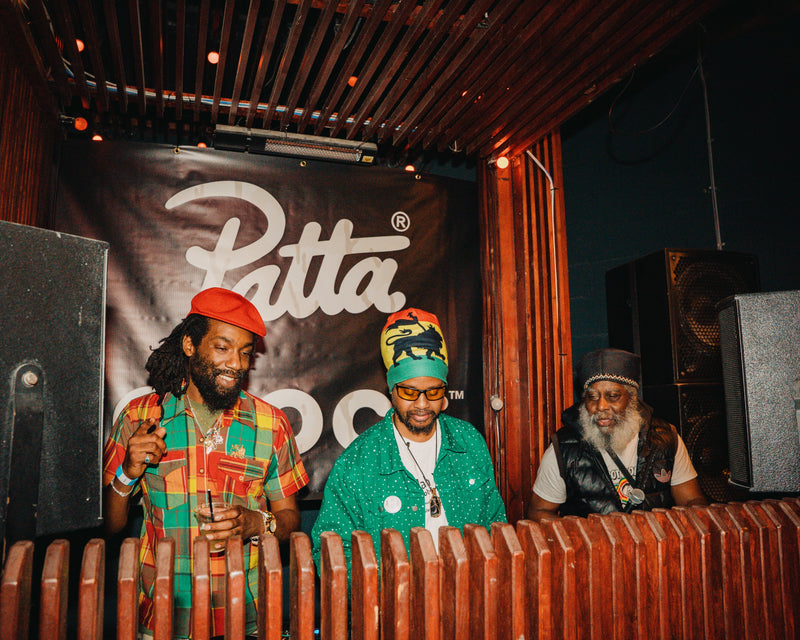
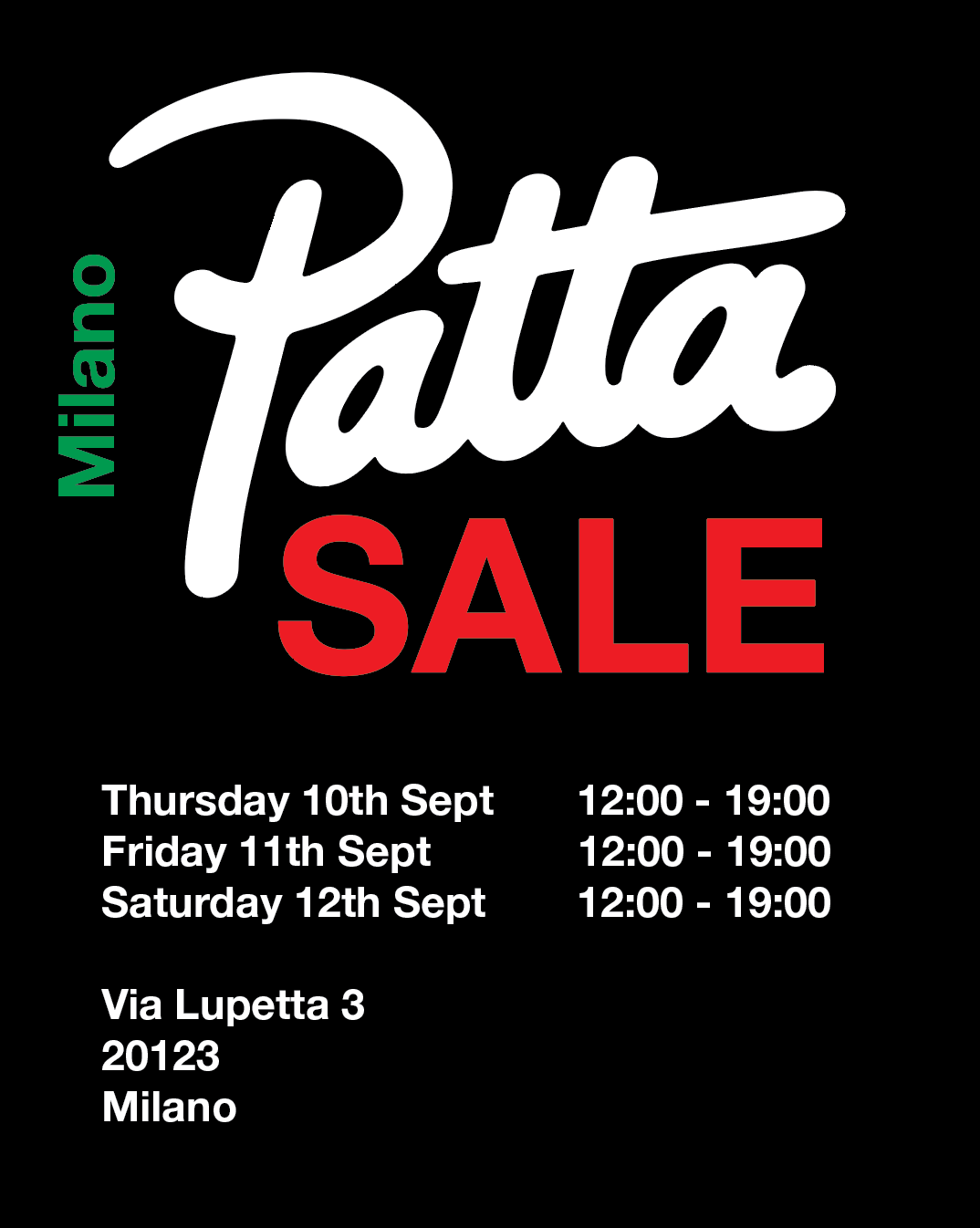
After more than seven years in Milano, we’re bringing this chapter of our story to a close. To mark the moment, we’re opening the doors of our Milano Chapter Store for a special sale from September 10th until September 12th, bringing together our community one more time in the space we’ve called home. This is our chance to celebrate those seven years together.
While the Milano Chapter Store is closing, our relationship with the city and the wider Italian community continues. Patta will keep building through grassroots initiatives, activations, collaborations and new projects across Italy.
Thank you to our Milano team and to everyone who has walked through the doors, supported us and made the space their own.
The chapter closes. The community continues.
Find us this week here
Related Articles
-
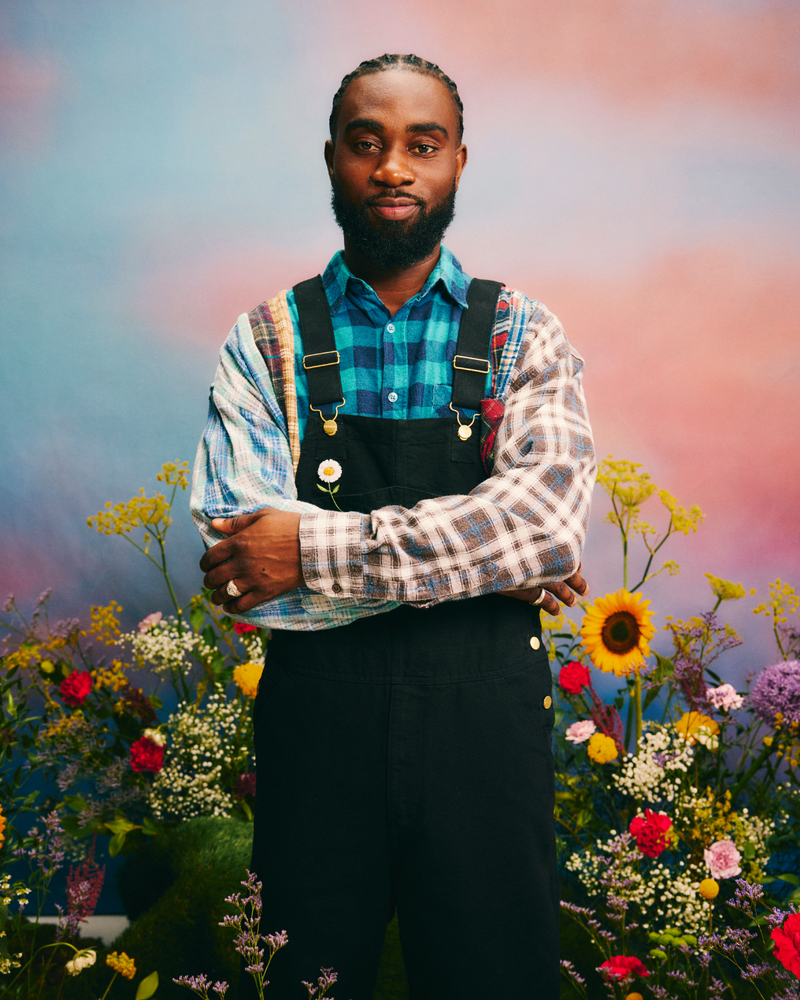
Interview by Passion Dzenga A year after releasing Pages of Philosophy, Ruby Francis still isn’t quite ready to close the book on it. If anything, the London singer, songwriter, producer and DJ has found another way into the record.Written and produced by Francis herself, Pages of Philosophy sits somewhere between R&B, neo-soul, jazz and electronic music, reflecting an artist who has never had much interest in staying inside one musical lane. Now, a new collection of remixes opens the album up even further, handing its songs to friends and collaborators from London to New York, Australia and South Africa and allowing them to pull the music into completely different spaces.It also arrives as Francis’ relationship with the dancefloor continues to deepen. Alongside making her own music, DJing has become another important part of her practice, changing how she thinks about movement, arrangement and what happens to a song once it leaves the studio.We caught up with Ruby to talk about giving Pages of Philosophy a second life, trusting other producers with her music, the difference between thinking like a songwriter and a DJ, her Jamaican and Italian-British roots, and what comes next.Pages of Philosophy has been out for a year now. When you listen back to the album today, what do you hear differently from when you first finished it?It’s hard to put into words because I feel a lot of different, contradicting things. It still feels brand new to me, and I’m still excited by it and its future. But at the same time, when I listen back, I feel that it’s ageing and nurturing, like good cheese or wine!I’m really proud of it and still feel excited by it. I love the musical and sonic choices I made, and I’m excited to watch it grow. It’s a bit like a baby turning into a toddler.What made this project feel like the right one to revisit through remixes rather than simply moving straight on to the next record?It almost wasn’t my decision! I got such great feedback from people, including a lot of artists, and a few of them asked if they could remix the record. It felt right to honour that, and I’m so happy I did.I’ve also been deepening my knowledge and career as a DJ, and I’m really starting to understand the power of remixes. Whether it’s bringing something onto the dancefloor or playing it on my radio shows, you’re giving the music a new life and giving different people new ways to digest it.I guess if you’re asking me why, my answer is: why not?You wrote and produced the original album yourself. What was it like handing those songs over to other producers and letting them reshape something so personal?If I’m honest, once the original project was released, I felt a sense of detachment from it. It no longer belongs to me. As an artist, I’ve done my part and handed it over to the world.I felt similarly about handing it over to other producers. These are producers I’m a fan of and also friends with, so there was already an element of trust and excitement around it.The remix project brings together artists from South Africa, Australia, New York and London. How did you choose the collaborators?It was all quite organic. I had pre-existing relationships with each of the artists involved and I’m genuinely a fan of all of their music.Geo Jordan is my chosen family. We’ve been friends and collaborators for years. MXXWLL I’ve known for many years too; we’ve always kept in touch online and started working on a few bits when he came to London. Geotheory and Fiji Mageba are artists I’ve been a fan of for a while — I love everything they release and we’ve always been in touch online. Jamie and Basile are friends and are always up to cool stuff, whether that’s playing live or DJing at events around the city.I’m super lucky to be in touch with all of them.Did you give anyone direction on where you wanted them to take the originals?None at all. I honestly didn’t have any expectations, because if I did, I feel like that would defeat the point of a remix.I wasn’t approaching it thinking about making music that sells. It was more about creative curiosity and seeing how each producer would interpret the music individually. I gave no direction to any of them and simply trusted their talents to create something unique to them.Was there one remix that completely surprised you or made you understand the original differently?They all did to an extent. I really loved hearing my vocals on Geotheory’s liquid vibe, and Fiji’s super slow, ethereal one.I also loved how all of the remixes reharmonised the chords I’d written. I’m a huge fan of chords and always love a good reharm. It’s so rewarding to my brain and spirit.Your own contribution is the club edit of “Y U Always On My Mind?”. How does your approach change when you’re thinking like a DJ rather than a songwriter or producer?I’m thinking more about bringing the mood and how it might fit with other songs rather than the arrangement or individual technical bits. I’m thinking, “How can I make people get gassed and move?” rather than, “How can this lyric tell this particular story?” or, “What type of snare should I use?”With this remix in particular, I pretty much just sped it up and made the arrangement longer so DJs can mix it with other tracks easily. I didn’t actually change anything in the production.Your music pulls from ’00s R&B, neo-soul, jazz and electronic music without ever sitting neatly in one space. Have you always been comfortable moving between those worlds?Absolutely. I’m always most comfortable outside the box.Each of these sounds has raised me both as an artist and as a human, and I love being able to pull inspiration from each genre. My expression has never strictly fallen into any one category. That’s just how it has always naturally been for me. I don’t know any different.You started writing and producing from a really young age. What did learning to produce your own music give you creatively that songwriting alone couldn’t?More ways to communicate and express myself — often more than lyrics can. Production says things that words cannot. Sometimes a progression of chords, a melody or an arrangement can say it all.With words, you can say, “I love you,” and of course there are other poetic ways to convey that. But musically, there are limitless ways to communicate the same feeling. It could be through the movement of chords, the space you use, bringing strings into one section and taking them away in another, or through synth lines that are slightly detuned, reverbs and textures.“I love you” can really be felt without the words.Your dad played bass and you grew up around a lot of music. What parts of your Jamaican and Italian-British upbringing do you recognise in your music now?It’s interesting because my cultures didn’t really play a huge part in my musical upbringing. It came more through subtle values at home and my wider family. I’d visit my Jamaican grandparents and hear their beautiful accents and stories from the past, or visit my Nonno and have risotto and learn words with him. Those things trickled down into my home as a child, but they weren’t necessarily the most prominent part of growing up.It’s actually in my adult years that I’ve become much more interested in the music and culture of Jamaica and Italy. Especially Italy. I’m obsessed with Italian film music from the ’50s through to the ’70s. Composers like Henry Mancini and Piero Piccioni have really inspired me.I’m also feeling called to travel to Jamaica and Italy to deepen my knowledge of my Jamaican Black history as well as my Italian history.And through my dad being with an Icelander and moving to Iceland, I now call Reykjavík a second home. I’m often back and forth between there and London and feel really familiar with the culture there too — Björk, hot springs, soup and the Northern Lights!You’ve mentioned everyone from Stevie Wonder and Jill Scott to Björk and Astrud Gilberto as influences. What part of your musical taste do you think might surprise someone who only knows you through your R&B records?Anyone who really knows me would say none of it is surprising! But perhaps people who are more familiar with the R&B side of my sound might be surprised by the more alternative stuff.I love indie, alternative and slightly rocky stuff like Men I Trust, as well as the old-school film music I mentioned earlier.On 10 September you’re performing at Gamla Bíó in Reykjavík around Yasiin Bey’s show. What does sharing a bill with an artist like him mean to you?It’s pretty nuts! It’s a massive privilege to share the stage with such a legend.Although I’m not the most familiar with his music, I love pretty much anything that came out of the Soulquarians, and I love what he stands for lyrically. I’ve heard he’s a wicked performer, so I’m excited to watch him do his thing. That’s the best way to fully educate myself!I also think it’s great that his music is being brought to the small population of Iceland. Big ups to my boy Benni, B Ruff, for making it all happen.The performance itself will be a DJ set by Rev, with a few other artists joining for a kind of cypher set with some crazy visuals. It’ll be a vibe.After giving Pages of Philosophy this second life, what feels like the next chapter for Ruby Francis?New music! I’m going to be locking in over the next few months to work on my demos and a new direction.I’ll also be travelling to Jazzy Jeff’s Playlist Retreat this month, which I’m sure will bring about new inspiration and collaborations. I’m excited to finish up and release new stuff.I’m also working on my next live headline show in time for the five-year anniversary of my debut album, Archives.A year on, Pages of Philosophy feels less like a record Ruby Francis is looking back on and more like one that is still finding new places to go. Handing the songs over to friends and collaborators has opened them up to different tempos, dance floors and interpretations, while her own growing relationship with DJing has given her another way to understand how music can move between people.That same curiosity seems to be carrying Francis into whatever comes next. With new demos taking shape, time set aside for writing and collaboration, and the fifth anniversary of her debut album Archives approaching, she is already thinking beyond the world of Pages of Philosophy. If the remix project proves anything, though, it is that moving forward does not always mean leaving old work behind. Sometimes a song just needs a different set of ears, a different room or a few extra BPM to reveal what else was hiding inside it. -

MOSAIKO Block Party
MOSAIKO Block Party
As we prepare to close the doors of Patta Milano, we’re spending the weekend showing love to the people and communities that have made the city feel like home.On September 13, our homies at MOSAIKO are taking over Quarto Oggiaro for the MOSAIKO Block Party — bringing together music, community and some of the people pushing Milan’s creative culture forward.Milan is full of artists, collectives and communities building incredible things every day, but those different worlds don’t always get the chance to meet. MOSAIKO wants to change that.Taking place at ARCI Itaca, the Block Party is about creating a space where people can connect, dance, create and celebrate together. More importantly, it isn’t about bringing something to Quarto Oggiaro, but building something with the neighbourhood.Created alongside Milan-based collectives, artists, partners and local community members, the day is rooted in exchange, collaboration and giving back. Music. Community. People. Energy. We’re proud to support the homies and see Milan come together for this one.-
Events
-
-

Patta Milan Sale
Patta Milan Sale
After more than seven years in Milano, we’re bringing this chapter of our story to a close. To mark the moment, we’re opening the doors of our Milano Chapter Store for a special sale from September 10th until September 12th, bringing together our community one more time in the space we’ve called home. This is our chance to celebrate those seven years together.While the Milano Chapter Store is closing, our relationship with the city and the wider Italian community continues. Patta will keep building through grassroots initiatives, activations, collaborations and new projects across Italy.Thank you to our Milano team and to everyone who has walked through the doors, supported us and made the space their own.The chapter closes. The community continues.Find us this week here-
sale
-
-

Tales from the Echobox: Rhythmic Culture Radio
Tales from the Echobox: Rhythmic Cult...
Interview by Passion DzengaLaunching in 2021, Echobox has been forging a path for community radio by showcasing the diverse characters and concepts that surround their station. In this feature, we will be looking into one of the broadcasts that you can tune into, so get locked in and don’t touch that dial.Ten years in, Rhythmic Culture still moves like it’s in its first year - hungry, stubborn, and led by taste over hype. What started as Brendan Reterink’s personal SoundCloud for sharing mixes with friends has grown into a multi-lane platform: a mix series with international reach, a monthly Echobox radio residency that brings the community into the room, a label releasing left-field projects on its own terms, and an agency built from the same instinct that started it all, spotting talent too good to be overlooked.In this conversation, we trace the full arc: the early DIY parties before venues would trust them with a night slot, the pandemic pivot that pushed Rhythmic Culture from link-sharing into proper world-building, and the philosophy that’s kept it consistent for a decade. Brendan speaks on rhythm as the “red thread” across genres, why community can’t be treated like a marketing line, and how real trust - in artists, in curators, and in your own instincts - is what keeps a platform alive when nobody’s making a living off it. With 50 radio episodes on the horizon and new releases in motion, Rhythmic Culture isn’t celebrating an anniversary. It’s marking momentum.You started Rhythmic Culture as a personal platform, what was the original spark?Basically, when I started Rhythmic Culture, I was also in my early days of getting into DJing. I wanted to create a platform for myself where I could share the stuff I was into with friends and people who were interested. That was way before my full-time time in the music scene, so my network wasn’t what it is now. I didn’t have so many like-minded people around me. It was just a place to drop what I liked. There wasn’t a bigger plan behind it back then.At some point, I started asking people around me like, “Hey, are you interested in recording a mix for this too?” That’s how we started dropping mixes on SoundCloud every now and then, and we did that for about a year.When did it move from “just a SoundCloud” into something more real?The first year was mainly that. Then I started an internship at ADE and I was around a bunch of young people who were eager to do something in the music industry. I told some guys, “I have this SoundCloud thing, we’ve got a little community checking it, and I’m planning to do a little event, are you interested in helping?” They were like, “Yeah, let’s do it.”Our first event was from 7 to 11 in the bar of Chicago Social Club because they didn’t trust us enough to give us a proper night slot. So we got a slot before they opened, but we filled the whole bar with friends. From there, we started connecting with programmers and venue people in Rotterdam, Breda, and Amsterdam, and we started asking if they were willing to let us host small parties. And we did for a year and a half.Then COVID started. We had our agenda planned and then nothing could happen. We were sitting still and didn’t know how long it would take. After a couple months, we were like, “Why are we not going online?” We still had something to offer.That’s when we started building a website, doing regular mixes on SoundCloud, and creating a proper online music platform. We started doing editorials too. That switch is really the base of what Rhythmic Culture is now.So the DIY approach was always the foundation, did that DIY mindset also shape the editorial side?Yeah, everything we did was from our own resources. We looked at what we could do within our team. It was, and still is, very personal to all of us. It’s a direct reflection of my vision of music, and I think that’s why I could do it for so long. It’s personal, and I have the freedom to show what I want. No one tells me, “I don’t like this,” or “You should do something else.”That’s also why Rhythmic Culture differs from other projects I did with ADE or Dekmantel. Those are bigger, more professional organisations. With Rhythmic Culture, we always had freedom. We don’t care if you’re a bedroom DJ or established, if we think you’re cool, we’ll try to give you the platform.And we’re still small in that sense. We serve a certain group of people who are searching for this kind of music curation. There’s no need for us to be the next RA, those platforms already exist and serve that community. We’re trying to bring a different curation. I still find names I’ve never heard, and that triggers me. There’s so much talent out there that doesn’t get a podium. Over the years, I've also learned that being independent isn't just about doing everything yourself. It's also about not relying on external validation. In the beginning you naturally hope people around you will understand or support what you're building, but I've realised that's not something you can expect. Now, whenever we start something new, the question is simply: are we genuinely excited about this ourselves? If the answer is yes, that's enough. We've learned to trust our own taste first, and I think that's what has kept Rhythmic Culture authentic after ten years.In your press release you said: “Even after all this time, we still haven’t cracked the code.” What are you still learning?I think what we’re still learning is that there probably isn’t really a code to crack. The musical landscape is always changing, and so are we. For us, it’s more about sticking to what you believe in, while still being open to what’s happening around you.Being stubborn in how we look at music is a big part of that. That’s what brought us here. We believed in what we saw in the musical landscape and pushed it without making too many compromises. But at the same time, you’re constantly discovering new things and learning from the people and scenes around you.And I think curation is probably more important now than ever. We have access to so much music now, pretty much everything is out there if you know where to look. But there’s also so much that it can be hard to find something new or different. That’s where I think curation becomes important—someone showing you something you might not have found yourself.That’s also why things like our guest curation series are important to us. We ask artists we admire to pick two lesser-known artists from their city, scene or country to record mixes for the channel. Everyone I asked said yes, and through that we’ve had the opportunity to work with artists like Simo Cell, Mia Koden and ZULI. Recently we did one with Lil Mofo, and there’s a very cool one coming up with Gavsborg. For me, that’s also what community is about. It’s not something you can just use as marketing. It comes from people actually wanting to be part of what you’re doing and contributing to it in their own way.There’s a desire to show what’s around, because established artists already have platforms. But there are so many talented people who don’t. I think that’s something we’re still learning as well: to keep looking beyond what we already know and not think that we’ve figured it all out. The drive stays the same—do what you believe in and don’t just go for what’s successful.You’re celebrating 10 years, why “Rhythmic Culture”? What does rhythm mean to the platform?When I started, I was thinking: what word captures what I believe in? I’m not someone who’s only into one type of music, but the red thread in everything I’m into is rhythm. And if you look at what we represent, everything is based around different sorts of rhythms.We don’t really care if you’re a techno guy or into dancehall. For me, it’s more about that common thread between all these different types of music. And we’re still expanding and evolving as well. I’m exploring a lot of Hip Hop beat making now, and those elements are slowly finding their way back into the platform too.Has anything “left field” surprised you through running the platform, something that changed the way you think about curation?Curating a lot and running the mix series has definitely encouraged me to keep looking at what’s out there. There’s a lot of digging involved—going through SoundCloud, diving into artists and listening to sets. I listen to a lot of mixes throughout the week. Not everything you come across is something you like, but that’s also part of digging.I think the biggest thing is that it keeps you curious. There’s often an element of surprise, even when you think you know what to expect from an artist or a scene. You can come across something completely different from what you had in mind, and suddenly you’re down another rabbit hole.Even for me as a curator, I still get surprised by the things I’m curating. I think that’s probably what changed the way I look at it. You can have your own taste and ideas about music, but you have to stay open and keep looking. That’s also why I still enjoy doing it so much after all these years.You’ve also introduced guest curators. What’s your thought process there?We showcased a lot of artists already, but there’s so much going on that’s not on my radar. And because I’m doing many things in the music environment, I got in touch with a lot of artists and people, and I got to know them on a personal level too.At some point I thought: why should I put focus on the Lisbon scene myself if I’m not even from there? Why not ask someone local who’s in the middle of it, let them pick two artists. It adds an extra level of discovery, because my knowledge stops somewhere.It keeps it interesting for me too. Sometimes when I see what people are coming back with, it’s often names I haven’t heard about. I think it’s a great opportunity to put lesser known artists in the spotlight and the curators often have very personal stories that come with it. Simo Cell for example picked his university professor, who turned out to be a sick DJ.You’ve been running Rhythmic Culture Radio on Echobox for years now. What does the radio format give you that the mix series doesn’t?Before Echobox we did radio shows at places like Operator or Kiosk, but they were one-offs. When we found out Echobox was starting, it was like: we can apply and build something recurring, a monthly thing.When Echobox gave us the monthly residency, they wanted us to host and talk on the mic – which I didn’t really like in the beginning haha. But it added a whole different layer to the show because we could actually talk about music. Now it’s almost second nature.The mix series became something with a very international focus and it’s something that solely lives online. The Echobox show lets us focus more on what’s local, and talk, and the format is different. It’s a chance to highlight new music I get sent through promos or friends. When we get a guest, we do interviews.And there’s a physical element to it, because we actually go to a radio studio and meet with people. A lot of what we do is digital, but with the radio we can really connect in person with artists and the music community.You also started a label. How did the label releases come together, and what’s next?The label was always something I wanted to do, but I never really had the time to put a lot of effort into it. The way we approach it now is quite simple: we get demos from friends or people who know and like what we do, and see if we can make something work.We had a release with Keita Sano from Japan. I got something like 20 demos from him and honestly, everything was sick, but we narrowed it down to five. That release was super cool–it’s not necessarily a super polished EP and that also made it very interesting for me to put out.We also did one with Benedikt Frey, which went more into a breaky jungle/drum & bass direction—quite different from his other projects. And we did a mix cassette with Zohar and Mika Oki.At the moment, we’re working on some future plans again, so hopefully we’ll have some new stuff coming out towards the end of the year.50 episodes of Rhythmic Culture Radio is just passed, how did you mark the moment and did you celebrating it properly?We’ve treated our 50th show pretty much like all the others—just bringing good tunes. I also think it’s quite hard to suddenly do something that feels unique or fresh, especially considering we’ve gone all over the place with the show over the past 50 episodes and counting.Echobox moved to a new studio. What changed for you, and what does the new space unlock?When Echobox started, the studio was literally two minutes from my home. I’d get a call five minutes before the show, like, “You coming?” and I’d leave and be there. Now I have to bike to Noord, so I have to plan.But I really like the new studio. It fits the vision better because Echobox wanted to become a community space. Now people can actually go and visit, that accessibility was missing. The old studio was nice but hidden. If you weren’t an insider, it was impossible to go there.Now it can become more like Kiosk or The Lot Radio: a space where you can just go hang, meet like-minded people. I want Echobox to become that, if you’re visiting Amsterdam or it’s a sunny Sunday and you don’t know what to do, you go there, drink a beer, talk about music.Amsterdam has a lot of islands, techno people there, jazz and house there, hip-hop there. With Kiosk it doesn’t matter, you sit at the same table. I hope Echobox becomes a space like that: you’re into music, you go, connect, put ego aside, and share discovery.If you go back to 2016. Did you ever expect you’d still be doing this 10 years later?No, not at all. I never started with a vision of becoming a platform. I still ask myself sometimes where we want to go. We always kept going with what felt good, followed the flow, and we’re happy with the direction.We’re still super small. Sometimes it’s frustrating, you put effort in and don’t always get feedback back. But the important thing is we stayed real to ourselves. We never made choices we weren’t happy about. And we’re not financially dependent on it, everything goes back into the platform, everyone has a job on the side, that’s the strength of the DIY mentality.What excites you most right now, what feels “next” for Rhythmic Culture?After 10 years I reflect more on what we do and our position, what we bring. I’m thinking a lot about reinventing in a way that still fits us. Things are working, but I still feel there’s potential. More to get out of it, more to win for the platform and the people we work with.That’s why it sometimes feels like we’re just starting. Which is weird, because it’s been 10 years, but it feels like there’s still more to figure out.Is that same “natural progression” why you expanded into an agency?Yeah. With most projects we start, there’s never a big intention; it comes from flow or frustration.I was like: we talk with so many people in the industry, why don’t we just try to get them some air time? So we started. I had no experience in running a booking agency, neither did Tim, we just went for it and learned along the way. That’s still how we approach it.I think we’re not the typical booking agency. We’re not there to get the most and biggest shows for the highest fees and that’s something we always make clear from the beginning. I want the roster to offer something fresh and exciting into the scene. All the artists we work with, we strongly believe in and we’re eager to find out what we can do and put our platform behind our artists.Who’s on the roster right now?Our roster consists of quite some names that I’m happy to work with, and first and foremost am a big fan of myself. For some international artists we function as a sub-agent for just The Netherlands. We’ve got AliA and Ava Eva, both crazy good Belgian DJs. Then we’ve got Photonz, a Lisbon dance music legend and King Kami – a killer DJ from Brazil and also based in Lisbon. Low End Activist, NPLGNN and ojoo all are real champions in soundsystem culture and their (live)sets are out of this world. And of course we have incredible local artists on the roster that I’m very excited to work with; askmelater, Lieke TR, Lolo Batten, Max Abysmal, Misa, Nathan Kofi and Teqmun. I can really recommend checking them all out.With that in mind, what do you want to build into the agency next?Tim and I talked about building a talent development program into the agency. Like: bringing in someone young from Amsterdam, putting them alongside other artists on the roster, and giving leverage through our platform. Using the platform for new talent is something we shouldn’t underestimate.Last one: you run a platform that also gives curators space. How do you approach trust in curation?When I ask someone to curate for us, I give them full trust. I would never tell someone that I disagree with what they’re doing. If I choose to put the curation out of my own hands, I want that person to have complete freedom and my full trust.That’s also how I’ve approached Rhythmic Culture from the start. If I wanted to do something, I did it. I didn’t really care whether it was “cool” or not. I just put it out and made sure it got the exposure it deserved.I think that’s also how I look at the people we work with. Everyone has their own perspective and way of looking at things, and that’s exactly why you ask them to curate in the first place. So for me, Rhythmic Culture is a platform not only for makers, but for curators too.And you’re really saying you’ve got another 10 years in you?10 years is quite a long time and 2016 really feels so long ago, but I have the feeling we have so much more to offer and discover. If we can keep going at the same pace as the past 10 years, I’m pretty sure we’ll manage another 10.Tune in to Echobox. Broadcasting from below sea level every week, from Wednesday until Saturday.-
Tales From The Echobox
-
-

Patta Milano Closing
After more than seven years, we’re closing the doors to our Milano Chapter Store.Since opening, the store has been a place for the Italian Patta community to meet, connect and spend time together. From releases and events to the everyday moments in between, Milano became an important part of Patta’s journey.We want to thank everyone who helped make the store what it became. To the Milano team, whose work and dedication kept the space moving, and to everyone who came through the doors and supported us over the years.While the store is closing, our connection to Milano doesn’t stop here. We’ll continue to build with the communities we’ve connected with through grassroots initiatives, activations and other projects in Italy.Seven years brought a lot with it. Friendships, collaborations, memories and a community that extends well beyond the store itself.Thank you to everyone who is part of Patta Milano.The doors may be closing, but the community remains. -

Patta x Oroko Radio - Fête de la Musique
Patta x Oroko Radio - Fête de la Mus...
From the first broadcast to the final track, Oroko Radio became the heartbeat of our Fête de la Musique celebrations in Paris. Together with Awake NY and Marshall, we spent the day bringing together artists, DJs and creatives from across the diaspora. Ann1cee, Badgalbob, Charles Moon, Likkle Studio, Yokothemoon and Yoluigi each brought their own perspectives. As the broadcast came to a close, the energy spilled into the streets for the Patta Cypher, together some of the city's sharpest MCs alongside friends and family. Big up to Dooky, James LeJ, Costa BLF, Wata MC, Radou, D2R, L'Ultra, Oussoum, Robinin and Akadre. Bringing together some of Paris' sharpest voices alongside friends and family, it was a reminder that, whether through records or rap, the spirit of Fête de la Musique has always been about people coming together to create something bigger than themselves. Thank you to everyone who tuned in, pulled up and made the day what it was. Paris, we'll see you again soon.Listen back to ANN1CEEListen back to BadgalbobListen back to the Patta CypherListen back to YoluigiListen back to Charles MoonListen back to Yokothemoon-
Music
-
-

What went down at the cycling clinic
Photography by Filippo and Angus FraserLast Sunday, we came together for a series of cycling workshops focused on building confidence, skills and community on two wheels. With little to no previous experience needed, participants worked on group riding, on-bike agility and cornering techniques, learning together and supporting one another throughout the session. More importantly, everyone brought plenty of energy and smiles along the way.A huge thank you to everyone who came through, whether you joined the workshop or helped make the day happen. We hope this is only the beginning, and we look forward to seeing everyone back on the bike for a future ride. Special thanks to Streetwise Cycle Team and De Regenboog Groep for sharing the vision and helping bring the workshops to life.-
Patta Cycling
-
What Went Down
-
-

Luca Durán & Kelman Duran - Lejanía feat. Gavsborg
Luca Durán & Kelman Duran - Lejanía f...
Luca Durán links with Kelman Duran and Gavsborg for “Lejanía,” the lead single from his forthcoming album, Killing Mariposas, arriving via TraTraTrax. Following a string of appearances on the label, Killing Mariposas marks Luca Durán’s first full-length studio album for TraTra. Drawing from the contradictions and connections of the diasporic experience, the record brings rhythm-heavy club forms into contact with the experimental textures of Durán’s European musical education. Field recordings, acoustic instrumentation and analogue synthesis sit alongside forward-thinking production, moving between moments of contemplation and outright euphoria. Across the album, traces of cumbia, reggaetón and dembow emerge through fragmented, memory-like electronics, with collaborators including Kelman Duran, Gavsborg, Iceboy_Violet, Debit, Rosa Pistola, BÉBE YANA, Kamohelo, kacha and SAM-E helping expand its world.Watch the music video for “Lejanía” by Luca Durán & Kelman Duran featuring Gavsborg now.-
Music
-
-

Farhid “Fats” Shariff - Allow Me To (Re)Introduce Myself
Farhid “Fats” Shariff - Allow Me To (...
Farhid “Fats” Shariff has spent years moving between worlds: clothing, product, people, storytelling and photography. Many will know him as FATSARAZZI, the photographer behind countless portraits, moments and cultural snapshots. This September, Fats opens the door to another side of his creative practice with Allow Me To (Re)Introduce Myself.Presented across two exhibitions in Hertford and London, the show brings together 38 works spanning art and photography, tracing the ideas, influences and experiences that have shaped Fats over the years.Photography taught him patience, timing, perspective and the importance of paying attention. His art offers a different kind of release. Through abstract works he describes as “Mindscapes,” alongside pieces inspired by personal heroes and experiments with different mediums, Fats explores ideas that are not always easily put into words.Rather than separating these disciplines, Allow Me To (Re)Introduce Myself presents them as parts of the same creative instinct.“I am not a photographer who paints, or an artist who takes photographs. I am a creative person. Someone who has always felt the need to make things.”Some of the works are new, while others have been sitting quietly for years. Together they create a nonlinear portrait told through people, expression, memory, movement and life.Each exhibition will feature a different selection of work, while the complete collection will be brought together in The Times of Farhid Fats Shariff, the first in a new series of zines from Fats, available at both shows.Part One — HertfordSeptember 11–20, 202609:00–17:00 dailyOpening: September 11, 20:00 until lateBrothership Studio14 Bull PlainHertford SG14 1DPart Two — LondonSeptember 25–27, 202611:00–17:00 Saturday & SundayOpening: September 25, 19:00 until lateStudioseven W10Studio 7, Buspace StudiosConlan StreetLondon W10 5APTo attend, RSVP via farhid@farhidfatsshariff.com and let the team know which exhibition you will be visiting.Whether you already know Fats through his photography and the many chapters that came before, or you are encountering his work for the first time, consider this an invitation to look again.Allow Farhid “Fats” Shariff to (re)introduce himself.-
Art
-
Events
-
-

Sister Nancy at Skatecafe
On September 25th, the legendary Sister Nancy comes to Skatecafe for a special live show, with live support by Skankin Sweet. A true pioneer of dancehall and reggae, Sister Nancy has been shaping soundsystem culture for decades. Best known for the iconic “Bam Bam”, her influence reaches far beyond Jamaica and continues to be heard across dancefloors around the world today. Want to make a full evening out of it? There’s also a ticket option that includes BBQ before the show.After the live show, we continue into the night with a full clubnight across all three rooms, together with Order Territory. Expect a stacked line-up moving through reggae, dancehall and Caribbean sounds into hip hop, Afro-electronic, heavy bass and club music. Your Sister Nancy ticket includes access to the clubnight, so stick around after the show and continue with us into the night.Tickets available now-
Events
-
Music
-