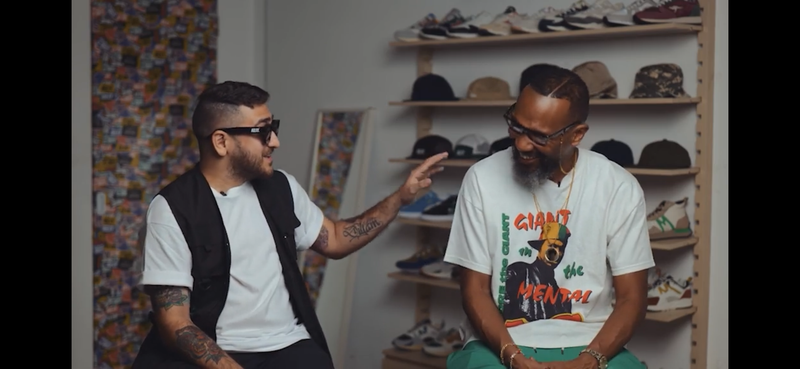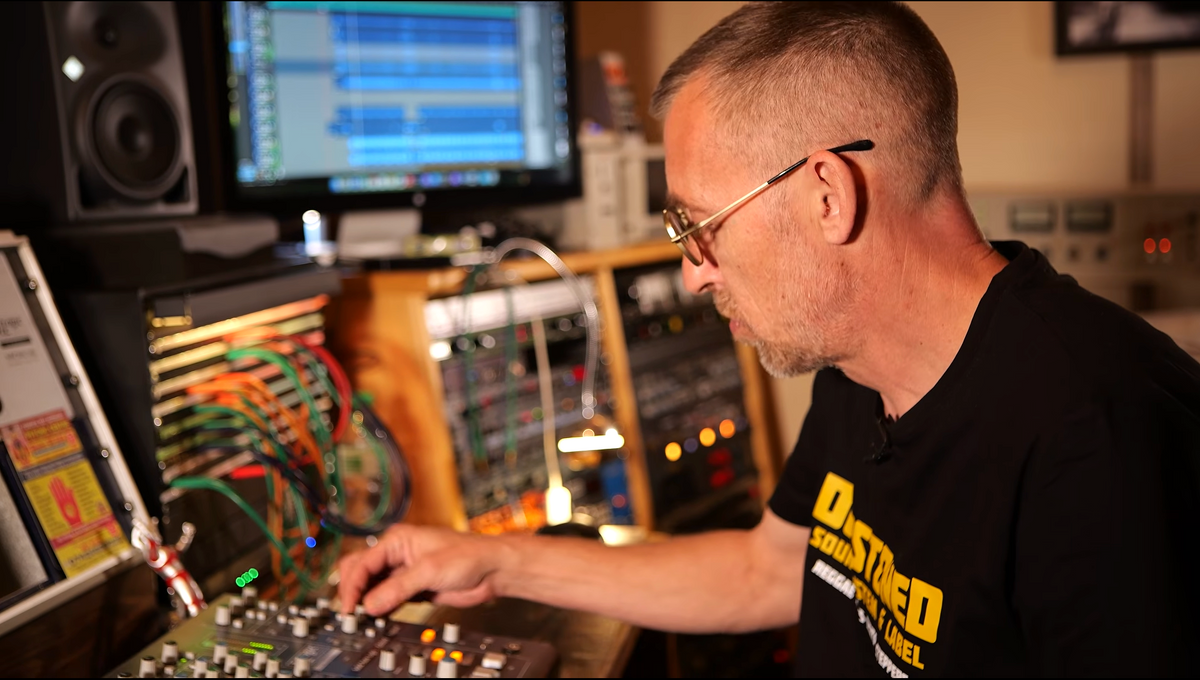

How dub hero Prince Fatty flipped a classic house track for David Rodigan's House of Roots project

From UK dance music and LA hip-hop to the sounds of Jamaica and Latin America, producer and engineer Michael Pelanconi, better known as Prince Fatty, has spent decades connecting musical worlds. With a studio résumé that includes J Dilla, Manu Chao and Graham Coxon, his approach is rooted in an appreciation for sound, rhythm and the art of production.
Best known for his distinctive take on reggae and dub, Prince Fatty brings his signature sound to The Vision's 2019 house classic Heaven, featuring Andreya Triana. Released as part of Defected Records' House of Roots EP, curated by legendary broadcaster David Rodigan, the rework trades the original disco-driven rhythm for a stripped-back, one-drop reggae groove, giving the track an entirely new character while preserving its soulful foundations.
Stepping inside his London studio, Prince Fatty breaks down the creative process behind the remix, his approach to mixing and the philosophy that has shaped his work across genres and generations.
Get familiar with Prince Fatty and the art of making music that stands the test of time.
Related Articles
-
Interview by Passion DEEZ For Luwa.mp4, being alternative has never simply been about how something looks. It is a way of thinking: questioning convention, building worlds from scratch and finding new ways to communicate a Nigerian identity without reducing it to something immediately recognisable.Born and raised in Ibadan before spending formative years in the UK, Luwa’s relationship with music began in high school but became all-consuming during his gap year in 2019. What started with hyperpop experiments has since expanded into something harder to categorise, pulling from punk, electronic music, video games, Nigerian sounds and the visual language of science fiction.Now back in Nigeria, Luwa is refining a universe of his own. He calls the wider aesthetic petrol punk: something raw, futuristic and unmistakably rooted in where he comes from without needing to announce itself as “African” at every turn.Ahead of his appearance at WAF Skatepark for adidas Originals x Sp5der hosted by Patta Lagos, we caught up with Luwa.mp4 to talk about growing up outside Lagos, rebellion, Nigeria’s new underground, world-building, the meaning of being alternative and his latest project, Young Riot.For anyone getting familiar with you right now, what do we need to understand about where you come from and the artist you’ve become?Music really started for me back in high school, but when it became my whole life was during my gap year in 2019. I had just come back to Nigeria because I spent the later part of high school in England and did my A-levels there. I tried a lot of other things. I was a science student and at one point I thought I wanted to go into investment banking, but music was always the thing I kept coming back to.Right before COVID, I started writing a lot of songs. Then COVID hit and I realised music was what I could actually see myself doing for the long run. I went back to England later in 2020, but I got to a point where I was like, I don’t think I can do school because music is genuinely all I can think about.I moved back to Nigeria in 2023, and I think that was really necessary. When I first started making music, I was making a lot of hyperpop, but moving back helped me think about what I actually represent. I’m very Nigerian. I grew up here my whole life. I didn’t even grow up in Lagos, I grew up in Ibadan. Nigeria is in my blood, so I had to ask myself: what does that look and feel like when I give that part of myself to the world? I’ve always approached music from quite an alternative and punk mindset, but every year I feel like I’ve grown deeper into this punk identity.You grew up somewhere fairly traditional but became an artist whose identity is built around challenging convention. Where does that rebellious instinct come from?My parents are more liberal than the typical Nigerian parents, but one thing they always encouraged us to do was think differently. That was almost the status quo between me and my siblings.Growing up in Ibadan and then going to boarding school in Lagos, I always felt like an outsider. There might have been one other person from where I was from, while everybody else could relate to the same things and the same kind of upbringing. I think that made me understand early that maybe I just see things differently.Even when I’m inspired by other people, one thing I always ask myself is, “How can I do this in my own way? What does my version actually look like?”There were also things aesthetically and artistically that I was naturally drawn towards that challenged the norm, even inside my own household. I think that actually prepared me for criticism. If I can challenge things inside my own house and stand on what I believe, then I’m ready for whatever anybody outside has to say. What was it like growing up in Ibadan while looking towards Lagos as this bigger world?Ibadan is very traditional. It’s a very big place, but it doesn’t have that same feeling as Lagos. When you’re looking at Lagos from Ibadan, you see this huge city, but because you’re slightly removed from it, you can also see Lagos differently. When you’re born directly into Lagos, sometimes everything feels so big that it becomes difficult to look outside of it. Coming from Ibadan, I could see opportunities or perspectives that maybe people inside Lagos weren’t necessarily paying attention to.Then moving to London gave me that same perspective on Nigeria in general. When I came to London, I saw how expressive the people around me could be compared to Nigeria. London can still be a conservative place, but it opened my eyes to another way people could express themselves. In a way, I started seeing London as another Lagos: another big city, another set of challenges, another place where there are things people aren’t necessarily paying attention to.There has been a lot of conversation around Nigeria’s current underground in relation to the earlier alté movement. What has your generation inherited from that era, and what is different now?One major difference is the idea of micro-communities within the underground. Alté was a very broad movement that really sparked change. What is happening now feels more like people taking that ideology — the idea that the next generation wants to do things differently — and defining smaller pieces within it.You’re seeing more concise niches forming. There might be punk, there might be metal, there might be something completely different beside that there might be something completely different beside that. It isn’t necessarily about dividing the underground. It’s more about allowing different communities to define themselves properly. I think one thing we are doubling down on now is community and really defining what that means.Individually, something I’ve taken from the generations before me is world-building. That is something I’m very interested in. Some people think you need to become huge before you start thinking about building a world around yourself, but I don’t believe that. You can start doing that from the very beginning.You’ve previously described your sound as cyberphunk, but you’re now talking about something called “petrol punk.” What does that mean?With cyberphunk, the “funk” came from the idea that there is a bounce to everything I’m doing. There is obviously funk music, and there’s Brazilian funk, but for me it was more about that feeling of movement.The cyber part comes from the sounds I use. A lot of them literally come from video games, computers and digital systems. Those things are always in my mind when I’m working on music. But now I’m defining the wider aesthetic as something called petrol punk. I’ve always been inspired by things like steampunk, cyberpunk and solarpunk, and I started thinking: when we’re talking about Africa, why does it always have to be called “African punk”?Why can’t it be something that feels African without necessarily having Africa in the name? I thought about petrol because, especially in Nigeria, petrol is one of our major exports. It is something raw, and that rawness made sense to me. That’s how I’m beginning to think about the whole aesthetic.A lot of artists get labelled “alternative” because of how they dress or because their music doesn’t fit neatly into Afrobeats. What does being genuinely alternative mean to you?Those things can be factors, but I think being alternative is really about the way you present the art. For me, it means looking at the way something is usually done and asking: “Why does it have to be done like that? What is another way?”It doesn’t mean looking down on people who do things differently. It’s just about deciding what particular niche you are speaking to and thinking outside the box about how you want to present yourself to them. It’s really about context.Across your recent releases, what do you hear changing most in your own music?My songwriting has become simpler, but the emotion in the delivery has become stronger. My subject matter has also diversified. I think I’ve understood that sometimes less really is more.What changed when you started thinking about making an album rather than singles or EPs?When I made my debut album, I started from the idea that all the smaller worlds I had built before were almost like pilots. I wanted to make the actual film. In my head, I had to really commit to a character. It involved a lot of travelling and collaboration, and it helped me understand that I genuinely need other perspectives.A lot of what I had done before was mostly on my own. I’m still spearheading the direction, but an album is different. This can become the soundtrack to someone’s life. Some people only listen to albums.I had to think much more about cohesiveness, how different songs and different moods could still feel like they belonged in the same world while maintaining my artistic integrity.I also wanted to see what I was capable of doing without committing to a deal or having some huge system behind me. I wanted to know what I could create with my own ideas and the people around me. And the collaboration wasn’t only with musicians. It was with brand owners, visual artists, creative directors — people who could look at the world I was building and tell me what it meant to them.Why was it important to actually call it an album?People sometimes talk about albums as if you need to reach a certain level financially or commercially before you’re allowed to make one. But to me, being ready to make an album is about being ready to lock yourself into a specific character and a specific mode.I got tired of putting so much passion into the world-building around projects and then still saying, “It’s just a mixtape,” or, “It’s just an EP.” I was like, you know what? Let me call it an album. I don’t need to wait until I reach some quote-unquote big place before I can put that level of intention behind something.Nigerian music is now one of the most globally visible scenes in the world. Do you ever feel pressure to make your Nigerian identity immediately recognisable to international listeners?I wouldn’t call it pressure. I see it as a challenge, but it can also be much more rewarding. There are so many ways of expressing Nigerian identity that haven’t been explored yet. Somebody could hear something I make and immediately know it is Nigerian, but at the same time think, “I never knew Nigerian identity could be processed in this way.” That’s exciting to me. The main thing is not forcing it. I don’t want to make something just because I need everybody to know I’m Nigerian. It should already be in your body. It should naturally be part of what you make.Your music feels like it could exist inside a film or a video game. If there were no limitations on budget, what would the full Luwa.mp4 universe look like?Right now, I think Luwa.mp4 is a punk star, but almost like an actor who keeps playing different niche roles. If you look back at my older work, there was a whole werewolf era. Then I had this character that was like a punk footballer. Now I’m in this lizard kind of world. I almost think about it like Ben 10. There are all these different aliens, but they still come from the same person. Luwa.mp4 is this punk star who is known for playing these very specific roles.I grew up as a Disney and Nickelodeon kid, so character and acting have always fascinated me. People sometimes talk about actors needing to be a blank canvas so they can disappear into a character. I’m interested in doing the opposite. I can still look exactly like myself, but each role feels like a completely different section of the same theme park. Right now, I’m thinking about how the lizard world connects into something more vampiric. It’s mystical, but cyber at the same time.Outside of music, what are you consuming right now that is feeding the next version of yourself?I’ve been watching Devilman Crybaby. I also recently discovered Entourage, and I’ve really been resonating with the characters. With games, I’m trying to go back and play older things like Infamous and Prototype. I loved those games when I was younger, and I can still see a lot of that inspiration bleeding into the characters I’m creating now.Musically, I listen to everybody, but I find myself going back to older Nigerian music. A lot of that music feels very free. It doesn’t sound formulaic. It sounds like people were just saying, “You know what, bro? Let’s try anything. Let’s catch the rhythm.” I really connect to that freedom.Do you think success changes the meaning of rebellion? At what point does the underground risk becoming part of the system it was originally pushing against?Definitely. The more successful you become, what you’re rebelling against also changes. There can still be a core set of values, but your relationship with rebellion is going to evolve. I think the underground becomes part of the system when you can no longer feel the passion in what people are doing. That might sound vague or cliché, but the underground is synonymous with rawness.When people stop being able to feel that rawness in the approach — not just aesthetically, but in the intention behind the work — that’s when you can tell something is being consumed by the mainstream.Your new project Young Riot is out now. What does this chapter represent?Young Riot has one of my most basic covers. It is literally just a photograph of me when I was really young, holding up two peace signs that almost look like Ys. There’s this phrase I’ve been playing with, “Yuri Yori,” which comes from Young Riots. It sounds African to me. It has this cultural feeling even before you necessarily understand what it means.My previous project, PS Specimen, was basically my own experiment with mainstream music. Things were going well for me, so I started asking myself: what would it mean for me to try to make mainstream music?And what I realised is that somebody like me can’t really make “mainstream music,” because what does that even mean when expression always comes first?What I did learn from that era was the art of less is more. So Young Riots is the beginning of everything I learned from Specimen.At the core of everything, I’m still just a young riot. My natural instinct is always going to be experimental, but I think I now understand what it means to be on a path towards being more authentic than I’ve ever been.It is also a reconnection with my inner child. I look at that younger version of myself and think: this is the life that kid would have prayed for. He would look at me now and say, “Wow, I can’t believe this is me.” That’s what the project really represents.From Ibadan to Lagos and London and back again, Luwa.mp4’s story is less about escaping where he comes from than learning how to reinterpret it. His music exists somewhere between punk instinct, digital experimentation and a distinctly Nigerian sense of place, with each release opening another door into the larger world he is constructing. With Young Riot, that world comes back to something simpler: the kid at the centre of it all, still curious, still rebellious and still asking why things have to be done the way they have always been done. Get familiar with Luwa.mp4 and stream Young Riot now. -
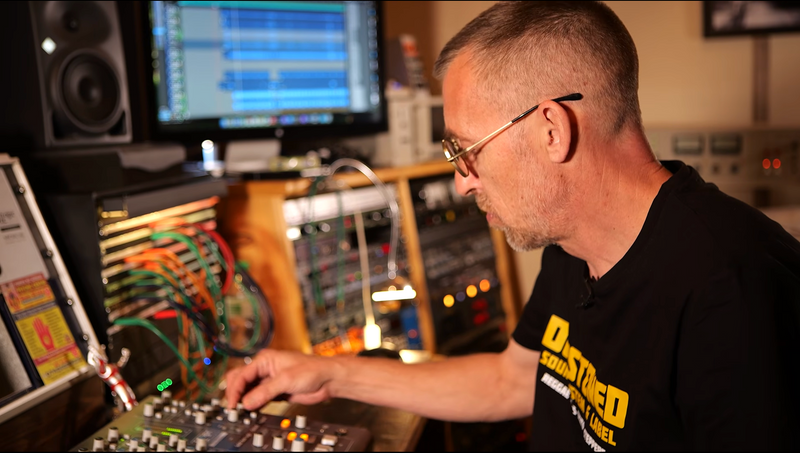
How dub hero Prince Fatty flipped a classic house track for David Rodigan's House of Roots project
How dub hero Prince Fatty flipped a c...
From UK dance music and LA hip-hop to the sounds of Jamaica and Latin America, producer and engineer Michael Pelanconi, better known as Prince Fatty, has spent decades connecting musical worlds. With a studio résumé that includes J Dilla, Manu Chao and Graham Coxon, his approach is rooted in an appreciation for sound, rhythm and the art of production.Best known for his distinctive take on reggae and dub, Prince Fatty brings his signature sound to The Vision's 2019 house classic Heaven, featuring Andreya Triana. Released as part of Defected Records' House of Roots EP, curated by legendary broadcaster David Rodigan, the rework trades the original disco-driven rhythm for a stripped-back, one-drop reggae groove, giving the track an entirely new character while preserving its soulful foundations.Stepping inside his London studio, Prince Fatty breaks down the creative process behind the remix, his approach to mixing and the philosophy that has shaped his work across genres and generations.Get familiar with Prince Fatty and the art of making music that stands the test of time. -

AGLXY LOOP - Edson Sabajo interview
Twenty years in, and the story still hits. Patta co-founder Edson Sabajo joined AGLXY for a conversation that goes past the brand and into the mindset behind it.Edson looks back on two decades of growing Patta, from a shop built on a love for sneakers and hip-hop into a global family. He also takes us behind the scenes of the documentary and how they worked on it together.From there, the conversation turns to the ideas that shaped what Patta is today. Edson explains how years of brainstorming, trying things out and testing ideas led to the Patta Academy and the Patta family as we know it now.At the heart of it is a simple message for the next generation: take what we built and do better than us.Tap in on Spotify or watch the full interview below. -

Get Familiar: City Splash
Interview by Passion DEEZ Ask Ben Ryan and Biggs what success looks like, and they won’t start with ticket sales. They’ll tell you about a food trader earning enough to pay for specialist care for their child, or the feeling of walking into a local sound system dance and still being embraced by the community. That approach sits at the heart of City Splash. Long before the festival, there were two young people working in shops opposite each other in Dalston, surrounded by Caribbean culture and families who understood the importance of making space for others. Years later, those shared foundations continue to shape their work.From the family connections behind Rockers LDN to City Splash’s Rise Up artist development programme, their relationship with music extends well beyond what happens on stage. Supporting the people who make the culture possible is part of the same responsibility as celebrating it. With a collaborative Patta jersey bringing our communities closer together, and another City Splash takeover of DRUMSHEDS approaching, we caught up with Ben and Biggs to discuss intergenerational dancefloors, staying connected to Jamaica, putting money back into the community and why platforming an artist is very different from “discovering” one. Get familiar below.Before we get into City Splash, let’s talk about the people behind it. What were your upbringings like, and how did those communities shape what you do today?Ben: I was raised by my mum in Dalston, London. It was an eclectic mix of cultures and ethnicities, everybody pitching in together. Dalston had a very strong Caribbean community, which had a big impact on what I was exposed to. My mum’s work was also heavily rooted in Black community activism.She was one of the founders of a community centre called Inkworks in St Paul’s, Bristol, which later became Kuumba. It was a centre for the local Caribbean community with a Black bookshop and library, a mother-and-toddler crèche, rehearsal spaces and a space where the local Twelve Tribes community would gather. It was a real central point for the community.When she moved to London and had me, she worked at Centerprise, the bookshop on Kingsland High Street in Dalston. That was a meeting place, a bookshop and a café. Those were the kinds of spaces and the kind of work I was exposed to growing up.Biggs: I came to England when I was about 11. I grew up in a Jamaican household, then moved to Dalston, so Ben and I are from the same neighbourhood. It was a very Caribbean, artistic, creative area. It’s still creative, but the Caribbean presence isn’t the same as it was.Music was very important in our household. My dad was one of the people running the Rockers International reggae label, working with both up-and-coming and established artists. Those were the people I grew up admiring and wanting to be like: Rastafarian musicians and artistic types.Then, coming to the UK, reggae remained the theme tune of our lives and our daily movements. It was something I was very interested in, and we already had connections in the industry, so it wasn’t such a difficult thing to get into.How did your paths first cross?Ben: We both worked in the same shopping centre in Dalston, in shops literally opposite each other. You can’t tell from this interview, but Biggs is six foot seven. He was born that big, so he was quite an intimidating character when we were teenagers. I used to try to get in and out of the shop without seeing him. I’m joking!Biggs: We used to see each other, but it was years later that we properly reconnected. We were from the same neighbourhood and working in the same business, so there was a lot of synergy. The universe brought us together a few times, from our teenage days to our late twenties and then our thirties. We really started doing things together around 15 years ago.Ben: We were running separate events in the same venue, which had very artistic, world and Black music-focused programming. A friendship and a brotherhood evolved out of that. Eventually, we realised we shared so many values and saw things in similar ways. We thought, imagine what we could do if we collaborated.London has lost so many of the community spaces that helped bring people together. What do you think is at risk when those spaces disappear?Ben: Growing up in the eighties, there was an abundance of artistic, cultural and community spaces that our community had access to or operated. That included physical buildings, but also parks and open spaces.That was where we were at our strongest. We could be together in a multigenerational way, with the grandchildren and the grandparents all in the same place. Over the years, through reduced funding, changes in communities and people moving out of areas, those spaces became fewer and fewer.For those of us who have been part of Dalston, Hackney and north-east London for a long time, that reduction is very noticeable. Of course it has a negative impact. We need places to celebrate our culture, feel proud, have good times and support one another. With fewer spaces, there are fewer moments where we can do that together.Biggs: This is something we discuss often. Those spaces didn’t just foster culture; they created culture. Look at the different booms in Black British music: lovers rock, jungle, house and garage, UK hip-hop, grime. Community centres and youth centres were part of that.Culture isn’t stagnant. It’s constantly flowing, and it needs spaces where it can be created. When there are fewer gathering spaces, you feel that in the culture itself.City Splash brings together people who grew up with this music and people discovering it for the first time. How important is that exchange between generations?Ben: It’s everything. With City Splash, we haven’t invented anything new. We’re holding the torch for this particular moment, and then we’ll pass it to the next generation or the next custodian of the space.For me, Notting Hill Carnival is the greatest event. It’s such a beautiful example of multigenerational togetherness for the culture. We looked at it and thought, there’s the model. One weekend a year was never enough to celebrate all of that greatness, particularly with so many all-dayers and community spaces disappearing.City Splash is our contribution. You could see it as a piece of activism: recognising what works and trying to create another space for it. In terms of the different elements that bring generations together, you could almost look at it as a mini carnival.You mentioned that your trips to Jamaica helped shape City Splash. What did those experiences give you as programmers and community builders?Biggs: We were already hanging out and doing smaller events together. I was going to Jamaica often, and then Ben started coming for Reggae Month. We’d be there thinking, this vibe is so upful, so great. Why don’t we have something like this in London?It wasn’t about replicating something. It was about bringing the music, the culture and the things we enjoyed to people in London. Reggae and dancehall aren’t one thing. The culture changes, the language changes, the dances change and the way people consume the music changes. We stay connected to those changes because we’re regularly at the source.Ben: Those trips were life-changing. Biggs was born and raised in Kingston, and I would hear his stories when he came back to London. I knew I needed to experience it.We’ve been going together for around ten years, spending February in Kingston for Reggae Month. We listen to new artists, build relationships with existing artists and find out what’s happening in the music. It’s inspiring.There was a magic we were experiencing that we weren’t seeing in London. We started throwing parties in that spirit, asking how we could bring some of it back.How much of that energy comes from bringing the music outside?Biggs: This is outdoor music and an outdoor culture. Caribbean music is loud, exuberant and showy. It doesn’t always work best in confined spaces.Bringing the music back outside is one of the reasons City Splash has connected with people. It’s gone beyond being an event. For people of different ages who are into African and Caribbean music in London, going to City Splash has become part of the culture. Some people decide on the day: “You going City Splash?” “Yeah, man, of course.”I think a big part of that is bringing the music back into the environment where it works best.Biggs, your work in reggae goes back much further than City Splash. How did loving the music turn into making things happen behind the scenes?Biggs: I literally started by putting vinyl into sleeves for the family record label, selling records, tapes and CDs. Reggae wasn’t something I really saw as a business. It was a lifestyle.As a teenager and in my early twenties, I would go to reggae festivals around Europe and think, this is magnificent. I never imagined I would be part of something on that scale myself. It really is a blessing and a dream come true.We do events and connect with artists, but sometimes I don’t even put a title on what I’m doing. Someone will say, “You’re the events producer for this,” and I’ll think, am I? You invite the photographer, link up with that person and bring those people together. That’s events production, but sometimes you’re simply doing those things for friends.I’m in New York at the moment, meeting with Buju Banton and his team to see what we can do around their UK tour. I’m also going to link with Nesta, a former Rise Up artist, in the studio. Some of these things don’t even feel like a job to me. I’m realising I probably need to start seeing them that way, but it’s just how we’re living.Your work with NTS included broadcasting from the Rockers International record shop in Kingston. What can radio do that a physical community space can’t?Biggs: I haven’t had the NTS show for a few years, simply because I don’t have the time to manage a regular show now. But what it taught me was how to connect with an entirely different audience: people with no previous experience of reggae, dancehall or Jamaican culture.We want to feed the converted, but we also want to create interest among new listeners, producers and people who might become part of the wider ecosystem.My connection with NTS came through something we produced in Jamaica with them and Island Records. We broadcast from the Rockers International record shop and brought in lots of artists, some of whom were emerging at the time. I’d done something similar with Toddla T through the Jamaica Cypher, which featured Shenseea.I would never call that “discovering” artists, though. That’s like Christopher Columbus discovering the Caribbean. You’re noticing something that’s already there and using your platform to help expand it. Something is already in motion, and you’re helping to pave the road and make it smoother.Radio is amazing for connecting people to the music and the culture. I keep saying culture because, to me, this is more than music. It’s a lifestyle. It’s food, style and fashion.It isn’t something we package up and sell. We’re involved in the wrapping paper, the bow, the box, what goes inside the box, the stamp and the postage. Everything.City Splash has helped raise over £100,000 for Caribbean hurricane relief, alongside supporting charities closer to home. How has that work developed?Ben: As much as we’ve been doing events and music-related work, we’ve always been here as servants to the community, whether that’s the diaspora, people back home across the islands or people on the continent. Those things go hand in hand.If there’s a moment when we need to raise awareness or raise money, we don’t hesitate. It’s part of the work. As the business has grown, we’ve been in a stronger position to do more high-profile fundraising, reach more people and contribute more to relief efforts.Biggs led a huge campaign collecting essential goods for people affected by the hurricane. We also put on fundraising events and raised money online. When people purchase a City Splash ticket, they have the option to contribute.Our approach is to identify the people doing the work on the ground and support them directly, so resources reach the people who need them in real time. Biggs was very good at identifying people doing great work in badly affected areas such as St Elizabeth, Jamaica. We could send money or goods directly to them.In the UK, one of our partners is Brixton Soup Kitchen. We donate money each year, help raise awareness and give them a space at the festival. There are several charities we support, with tens of thousands of pounds going towards that work each year.Celebration and resistance have always had a close relationship within Caribbean culture. Do you see fundraising and community organising as a natural extension of what you do musically?Biggs: Definitely. Resistance and culture go hand in hand. The music itself is resistance. Sound system culture is resistance. People didn’t decide to carry those big, heavy boxes and all those records around simply because it was fun.There weren’t spaces allocated to the community to express themselves and consume their culture while they were working and helping to build post-war Britain. There was a necessity behind it.For us, it has always been important not just to consume the culture, but to give something back. It’s a give-and-take relationship, and that goes beyond donations.Even certain artists we book are part of that. We might book someone before other people see their relevance, or someone who doesn’t have obvious ticket-selling value at that moment. That is still an investment in the culture.We want to help create opportunities and make the culture accessible in a viable, ethical way.Through Rise Up, emerging artists receive support beyond a festival booking, including a creative residency, professional development and media opportunities. Why was it important to build something with that longer-term focus?Ben: We looked at it as a responsibility. We’ve been blessed to create this platform and this movement. With that comes a responsibility to give back in different ways.Rise Up is an opportunity to invest in the culture, the community and the next generation of talent. It also serves the business case. If we want to build a sustainable, long-term music festival, we need the next generation of artists to come through. The whole scene does.That requires people and organisations to be intentional about creating pathways where emerging artists have a realistic opportunity to build a career.Rise Up is us taking responsibility for something we get so much from. We’re protecting the future of the music and, ultimately, the business.Biggs: Skill-sharing is a really important part of it. There’s media training, we take artists to different radio stations, and there’s a mad press and PR run.Those aren’t things you automatically know how to do. Media training is definitely a thing, and it’s something our genre hasn’t always had enough access to. I think that’s a very important part of the programme.Do you think young people today have access to the same opportunities you had through youth clubs, community centres and radio?Ben: Young people inspire me every day. What I see coming out of the younger generations is incredible.They have different spaces to operate in and different tools available to them. We didn’t have digital platforms when we were coming up, but they’re using those tools to create movements, scenes, sounds and styles. I find that exciting.I love collaborating across generations. Iron sharpens iron. We can learn so much from younger people, and they can learn from us. We have the same approach with our elders. We have friends in their sixties and seventies who inspire us, and friends a generation below us.The tools available now also give young people opportunities to do things independently. You don’t necessarily need a major label or a major company to create something, put it out and reach an audience.Ben, as the founder and Managing Director of City Splash, you're working in an industry where success is often measured through ticket sales, attendance and commercial partnerships. What does success look like to you both?Ben: The moments that really stay with me aren’t always the obvious ones. It isn’t necessarily selling out.After this year’s festival, a food trader wrote to us to say thank you. They had made more money in that day than they would normally make in a month, and it enabled them to pay for a specialist carer for their autistic child.That made me so emotional. That’s success. We’re here to serve the community. If there’s such a thing as a calling, that’s it.If someone can support their family, put food on the table, pay their bills or build a career through something we’ve created, that’s a win. If we pay an artist a significant fee and that money filters back into the economy and different households, that matters.We also face opposition. People can be scared of Black people coming together en masse. Being able to continue running this festival independently is important in itself. Our community needs to know that we can hold spaces like this.Biggs: For me, still being embraced by the community is a massive sign of success. We can still go to the local corner dances and sound systems, and people say, “There are the City Splash guys.”We’re still part of it. That’s very important.Black culture is often celebrated commercially without the people responsible for it benefiting financially. How intentional are you about making sure opportunities at City Splash go back into the community?Ben: Running a socially and culturally conscious business means constantly managing a delicate balance. As Biggs said, we can still stand in the corner at a community dance. We’re fully outside. I think that says something about how sensitive we are to that balance.Every year, our artist liaison contract goes to a Black female-owned company. The majority of our stage managers are Black, and our line-up is almost entirely Black. We’re intentional about making sure money goes back into the community from different sides.We also have around 60 local food traders running their businesses at the festival. That goes back to the same responsibility behind Rise Up: creating as much opportunity as possible.At the same time, we are an independent commercial business, and it needs to be sustainable. Sometimes that means working with multinational partners who can put significant money into sponsorship and help balance the books. You have to manage both sides.Biggs: Even our backstage catering is done by All Nations, a small independent vegan restaurant that we both go to regularly. We really admire the lady and her son who run it.It’s important that those relationships are reflected in what we do. I think we do that quite well.That intention also seems to run through the programming. How do you think about the message people leave City Splash with?Ben: We were very intentional about building an event for our community. A lot of reggae events across Europe have predominantly white audiences and have been built with those audiences in mind. But this music comes from Jamaica and the Caribbean, and there’s a large community here in the UK. We wanted something that felt like it was for us.We knew we could bring older and middle-aged audiences together, but younger people weren’t necessarily forwarding out for reggae alone. That’s why we brought rap, R&B, jungle, garage and other sounds into the programme.We also knew that the message people left with mattered. Our intention is to close the main stage with a Rastafari artist, because we want people to leave with a feeling of unity, consciousness and spirituality.That isn’t always easy when you’re programming a festival of that size. One of our other headliners was Beres Hammond, who carries such a strong message of love. None of that is accidental. It’s intentional programming.Going into 2027, we have Damian Marley, which is incredibly exciting. It’s worth people understanding that this is part of our approach.Your relationship with Patta goes back further than this collaboration. Biggs, can you take us back to how it started?Biggs: I’m good friends with Gee, I’ve met Edson, and Vic is also a friend. I know how much they love sound system culture and Jamaican music. There’s a connection there with their Surinamese background, even though Suriname has its own very strong culture and music.I met them around the launch of the Patta and Clarks collaboration. We started talking about events and sound systems.Later, they had a party in New York, and I helped programme part of one of the rooms. We brought in some old-school Jamaican artists based in New York, including Yami Bolo. Addis Pablo, Augustus Pablo’s son, was there, and his sister Isis was DJing.We brought a Rockers vibe. They had an old-school sound system, there was a good mix of people and a really good turnout.Patta is a brand I genuinely love. I was telling Vic the other day that we need some merch because you need to get us wearing it!How did that history turn into the Patta x City Splash jersey, and what will the collaboration support?Ben: Someone on our team is also a big Patta fan and built a connection with Vic. It brought the relationship full circle: the history with Biggs, where we are with City Splash and what Patta is doing.It felt organic to create a collaborative piece. Now we have the Patta x City Splash jersey, which is really exciting. Hopefully, it’s the beginning of more pieces and more activities together. We’re planning some activations around the partnership too.Importantly, all profits from the jerseys are going towards our charitable work, including hurricane relief and the other causes we support.You’ve spoken about the importance of bringing this music outside. What changes when you take City Splash indoors at DRUMSHEDS?Ben: This is our third indoor edition. The previous two have brought around 10,000 people together, and this version leans more towards dancehall. That works well with the venue and its environment.Our community wants more opportunities to come together with us. Rather than only having one day in May, we can meet again in the autumn.DRUMSHEDS is a rave, man. People are dancing hard, going for it and having fun. It has its own energy. For me and Biggs, it’s also the one where we get a chance to enjoy ourselves.Masicka and Spice are leading this edition. What makes that combination so exciting?Ben: Some people are saying this is our best DRUMSHEDS line-up yet. Masicka is one of the most exciting dancehall artists out there. He’s put out an incredible album, and there’s so much excitement around him.This is the first time we’ve managed to book him. Biggs has a longstanding connection with him and his team, so it’s something we’ve wanted to do for a while. The response has been amazing. This has been our fastest-selling DRUMSHEDS show, with people travelling in for it.Then there’s Spice, the Queen of Dancehall. You can’t beat a Spice performance. She’s an incredible entertainer.With those two headliners and the DJs we have involved, I personally can’t wait.Biggs: We’ve been trying to book Masicka for years, but it hadn’t come together at the right time. This feels like exactly the right moment.And there aren’t many people who can match Spice as a performer. The last time we had her at City Splash, she came out on a Honda 650 motorbike and had a California king bed on stage.Spice and Masicka in the same room at DRUMSHEDS? That’s going to be a lifestyle moment.You said the indoor edition is where you finally get to enjoy yourselves. Do you ever get to experience the summer festival in the same way as everyone else?Biggs: We always say we’ve never actually been to a City Splash, believe it or not.Our friends come back every year telling us what they saw, who they bumped into and everything that happened. I’m like, “Bro, I didn’t see anybody!”We enjoy working and making sure it runs properly. The enjoyment comes at the end, when the artists are happy, everyone is leaving safely and there are no problems at the gate.We bring around 30,000 people together, predominantly from the Black British Caribbean community, and as far as I know, we’ve never had a major issue. I think that surprises people. There’s a social consciousness within the crowd, and that’s something we’ve been able to maintain.Ben: With DRUMSHEDS, we actually get a chance to catch some of it ourselves.Biggs: Exactly. We finally get to enjoy the thing we’ve been putting together.City Splash returns to DRUMSHEDS, London, on Saturday, November 21, 2026, with Masicka, Spice, Rampage Sound and more. Tickets are available now. The Patta x City Splash jersey is available through City Splash’s webstore. As Ben explains above, all profits support their charitable work, including hurricane relief.-
Get Familiar
-
-

What Went Down at adidas Originals x Sp5der
What Went Down at adidas Originals x ...
Lagos was the setting for two days built around community, music and the adidas Originals x Sp5der “For the Kids” collaboration.We kicked things off at Patta Lagos before taking things to WAF Skatepark, where the energy opened up. Hundreds came through for an afternoon and evening of music, movement and community, with live performances and DJ sets from EF Moon, Indica, Laboomz, Luwa.mp4, Tura, Weareallchemicals and Young Beejay. Revisit the night as seen by PeekoPapzz.Thank you to everyone who came through, the WAF family for holding us down and everyone who shared the moment with us. From the dinner table to the skatepark, the weekend was about creating space for Lagos to show up on its own terms, putting community at the centre and connecting the collection back to the people it was made for.Rooted in the people, streets and youth culture that shape the worlds around it, the latest adidas Originals x Sp5der collection brings the F50 Formotion back alongside expressive apparel, bold colour and the punk-inspired graphics that have become part of Sp5der’s visual language.adidas Originals x Sp5der “For the Kids” available now exclusively on patta.nl-
What Went Down
-
-

Oko Ebombo - African Star
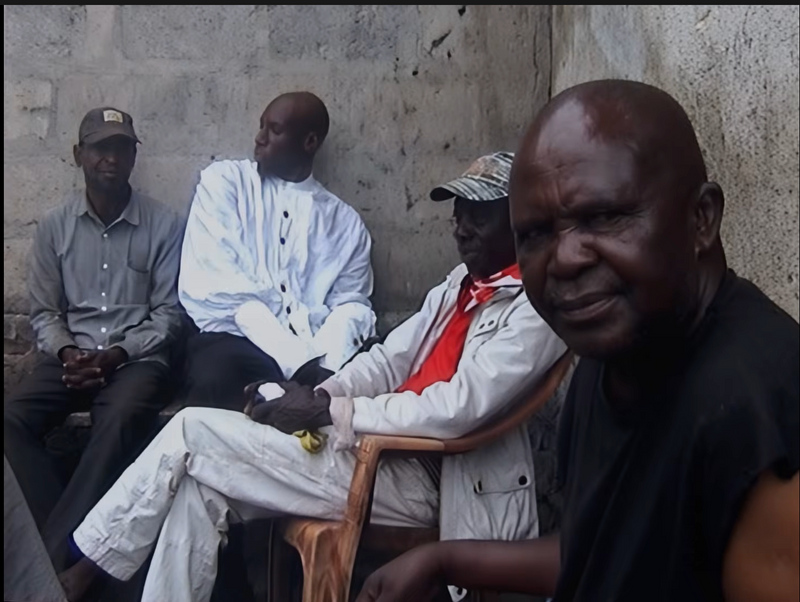
Oko Ebombo is back with the video for “African Star”. In his latest release, the Paris-based artist takes his aesthetic from the city to Brazzaville, Republic of the Congo. The result is a visual that feels loose and free, with the wind moving through every frame. Watch the video for “African Star” below.-
Music
-
-

What Went Down at Patta Amsterdam AW26 Cypher
What Went Down at Patta Amsterdam AW2...
Patta Amsterdam brought together a new wave of local talent for the AW26 Cypher, putting the spotlight on the voices, sounds and energy shaping the city's rap scene. From sharp bars to different flows and everything in between, Lost, Nelcon, Djani, Juni Martina, Nnelg, Stapelgang, Marou, Massin, Amsterdim, Viccens, Dimi, SaafieVDG, Simcha, Die Jongen Van Centrum and Mello Malik stepped up to the mic and made their presence felt. Shout out to the producers, Aaks U, Belly, Djani, GUAP, NAMS and Najja for the beatsHosted by Akadre, the session brought different corners of Amsterdam's music community together under one roof, with Sun OC and Nadim Abu holding things down behind the decks.Special thanks to Jarritos Benelux and Adeau Beverages for keeping everyone refreshed, and Feeble for capturing the action. See what went down at the Patta Amsterdam AW26 Cypher as seen by Yasemin Demirözcan.-
What Went Down
-
-

Patta Magazine — Freelance Junior Art Director
Patta Magazine — Freelance Junior Art...
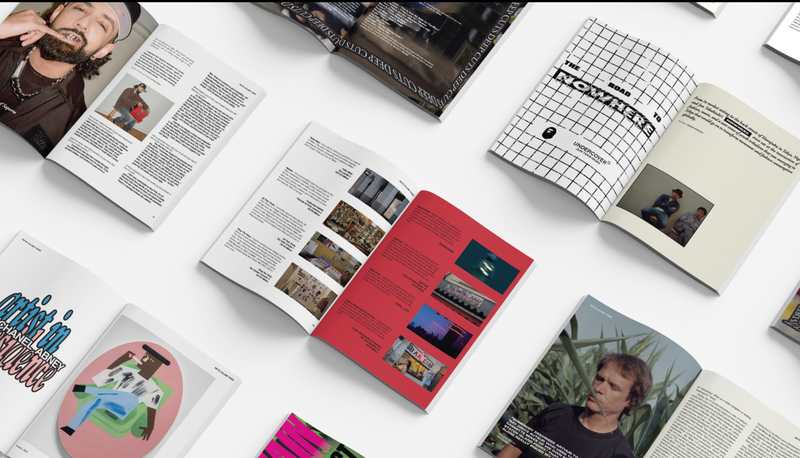
Location: AmsterdamStart date: December 1, 2026Patta Magazine gives Team Patta the space to tell stories with more depth, nuance and intention. Long-form writing, extended photo essays and in-depth features allow us to spend real time with a subject. It gives us the freedom to look beyond our day-to-day projects and explore the people, subjects and references that shape our world. The magazine has published exclusive interviews with Steve McQueen, Sade, and Kara Walker, and been described as one of the “freshest, most creative indie print magazines” by The New York Times. We’re looking for a freelance Junior Art Director to support the magazine’s visual development, from picture research and image archiving to print layouts and social assets.You will act as a bridge between the brand office in Amsterdam, and the magazine team based remotely (primarily the Art Director and Editor-in-Chief). You’ll help turn editorial ideas into finished pages and keep imagery and design materials organised throughout production.What you’ll doSupport the AD with editorial layouts, typography, image selection, and design development.Create assets that carry the magazine’s visual identity beyond print.Research and source photography and archival imagery, looking beyond the obvious references.Catalogue imagery in a clear, searchable archive, recording credits, sources, usage permissions, and file information.Coordinate with the editorial and brand teams to gather images, track missing assets, and keep materials ready for layout.Support design revisions, artwork preparation, and final checks ahead of publication.What you’ll bringA strong eye for photography, typography, and editorial design, with a portfolio that shows your judgment.An understanding of brand editorial and how design can serve both a story and the identity of its publisher.Confidence using Adobe InDesign and Photoshop; familiarity with Illustrator.Resourcefulness in finding archival imagery and identifying photographers, collections, and image sources.Careful organisation, attention to detail, and the ability to manage files, feedback, and deadlines.Curiosity about the cultures and communities connected to Patta, and a willingness to contribute ideas and take direction.You should be based in Amsterdam or within easy commuting distance. Time working from the Patta office is expected, alongside independent working.How to applyShare a short introduction to magazine@patta.nl with Freelance Junior Art Director in the subject. Include your availability and a portfolio featuring relevant editorial design, photography research, or archive projects. Please make your contribution to each project clear. -

Charles Burnett at Eye Filmmuseum
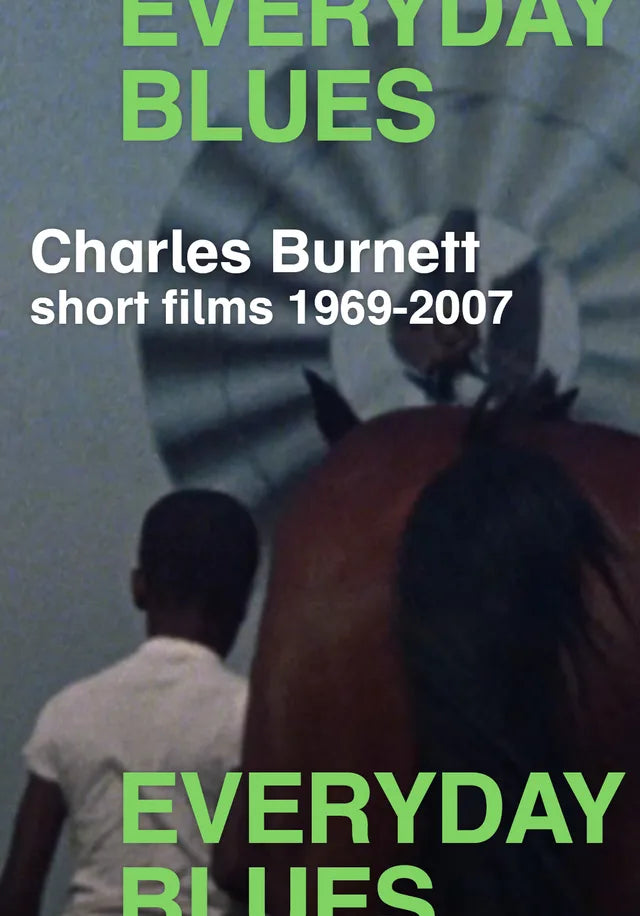
From November 27 to December 23, Eye Filmmuseum presents a program centered on the legendary American filmmaker Charles Burnett, a pioneer of Black independent cinema in the 70s and 80s and the LA Rebellion movement. Burnett is coming over from Los Angeles for the opening and an Artist Talk on November 29, moderated by Maya Cade (Milestone Films, Black Film Archive). Starting November 26, Eye is releasing his influential debut film Killer of Sheep (US 1977) in cinemas nationwide and on the Eye Film Player. The film has been restored in 4K and is regarded as one of the most important portraits of the daily life of Black Americans.Get your tickets here: Everyday Blues - The Films of Charles BurnettNovember 27 – December 23, 2026-
Events
-
Film & Documentaries
-
-

What Went Down at Patta London AW26 Cypher
What Went Down at Patta London AW26 C...
Patta London opened its doors for the AW26 Cypher, a night of UK rap and grime powered by community, culture and serious talent. Akrapezz, Careless, Chiedu Oraka, Floetic, J2, JayG, Keya Keys, Kreeps, Micofcourse, Oskar and Shakes took the mic, while Shaun Sky set the pace behind the decks. Special thanks to Mirchi and Drip for keeping the drinks flowing. See what went down at the Patta London AW26 Cypher. Relive the evening down below as seen by Andrea Amponsah. Video is by flicksby5am.-
What Went Down
-