


Get Familiar: WB&B
Get Familiar: WB&B
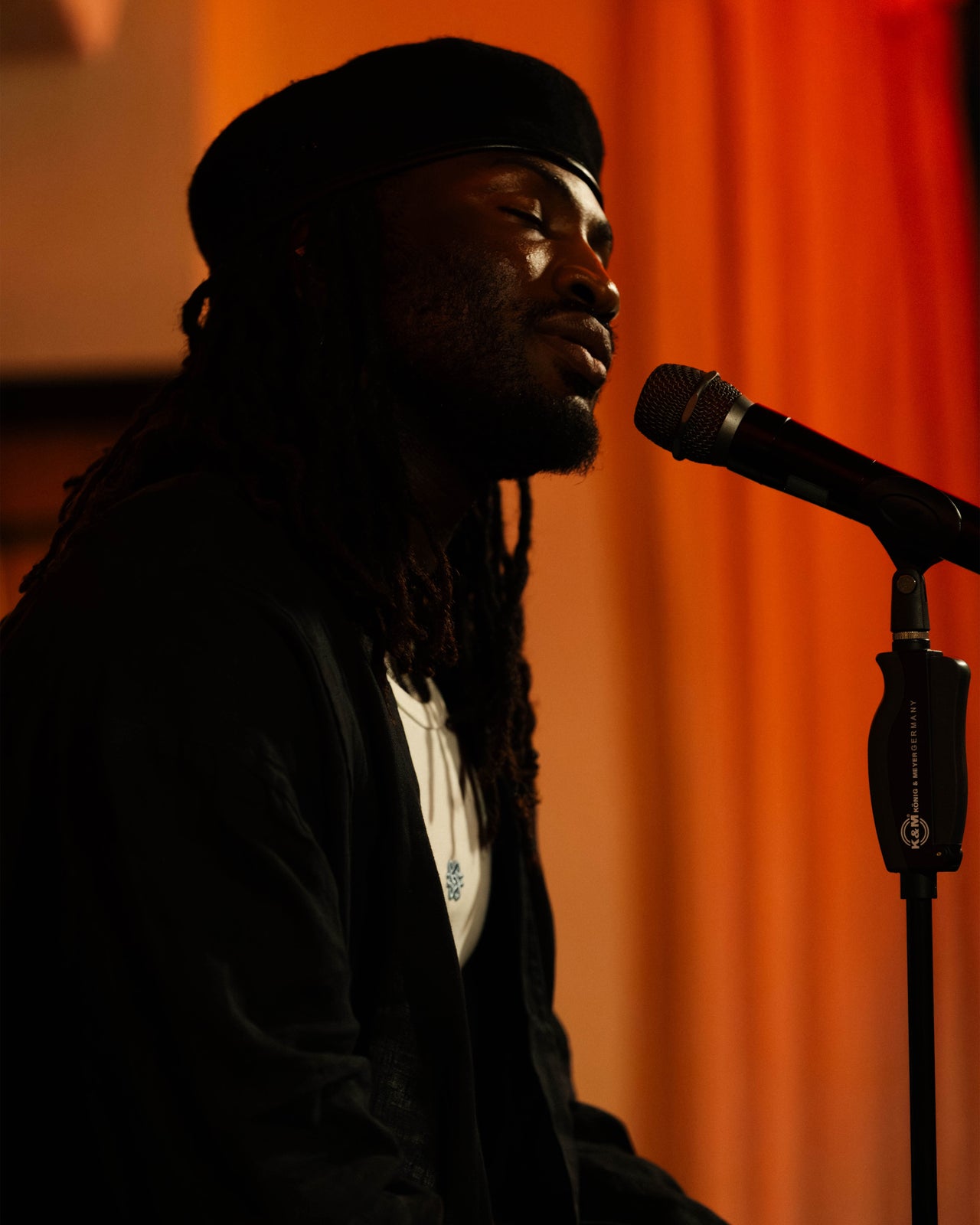
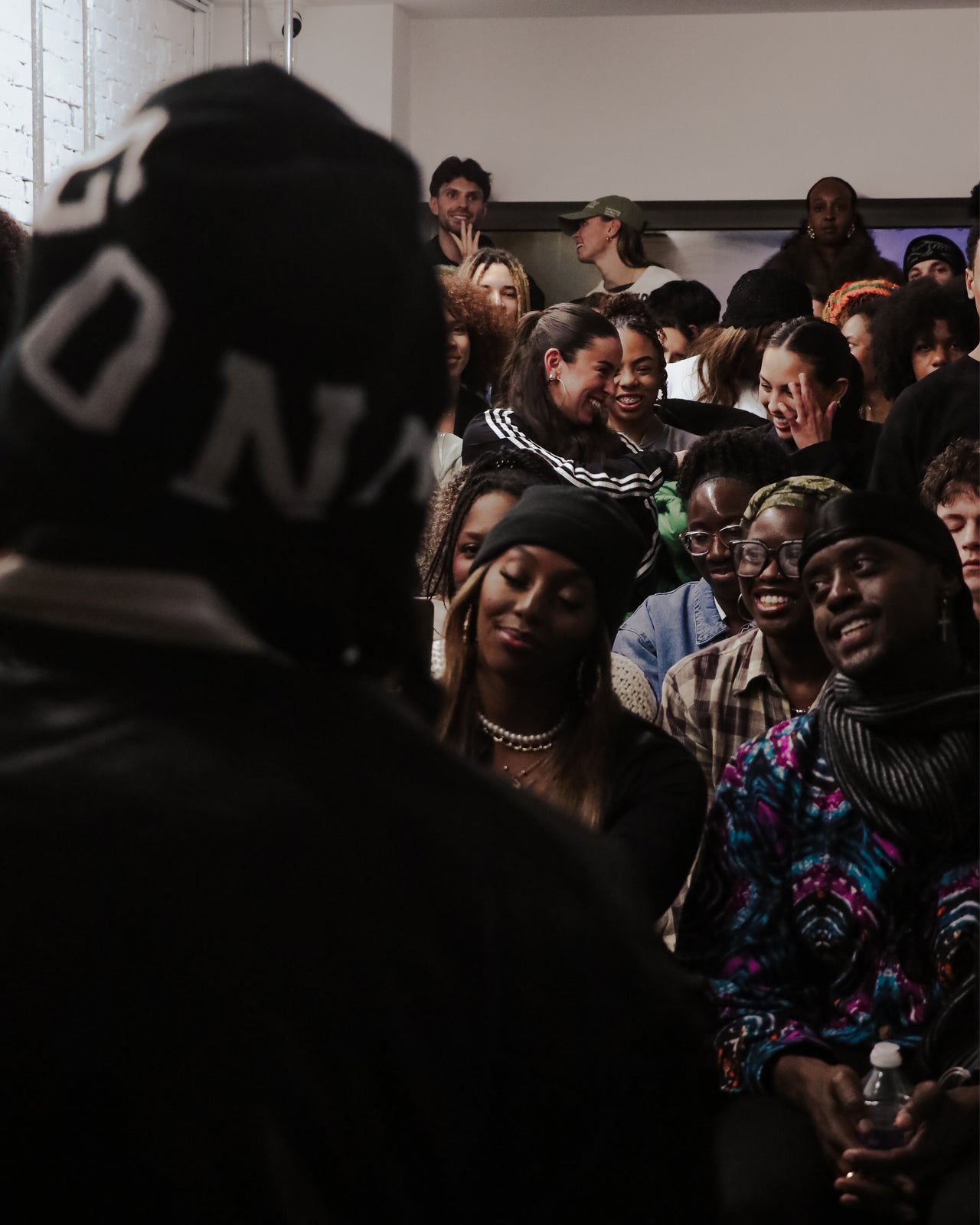
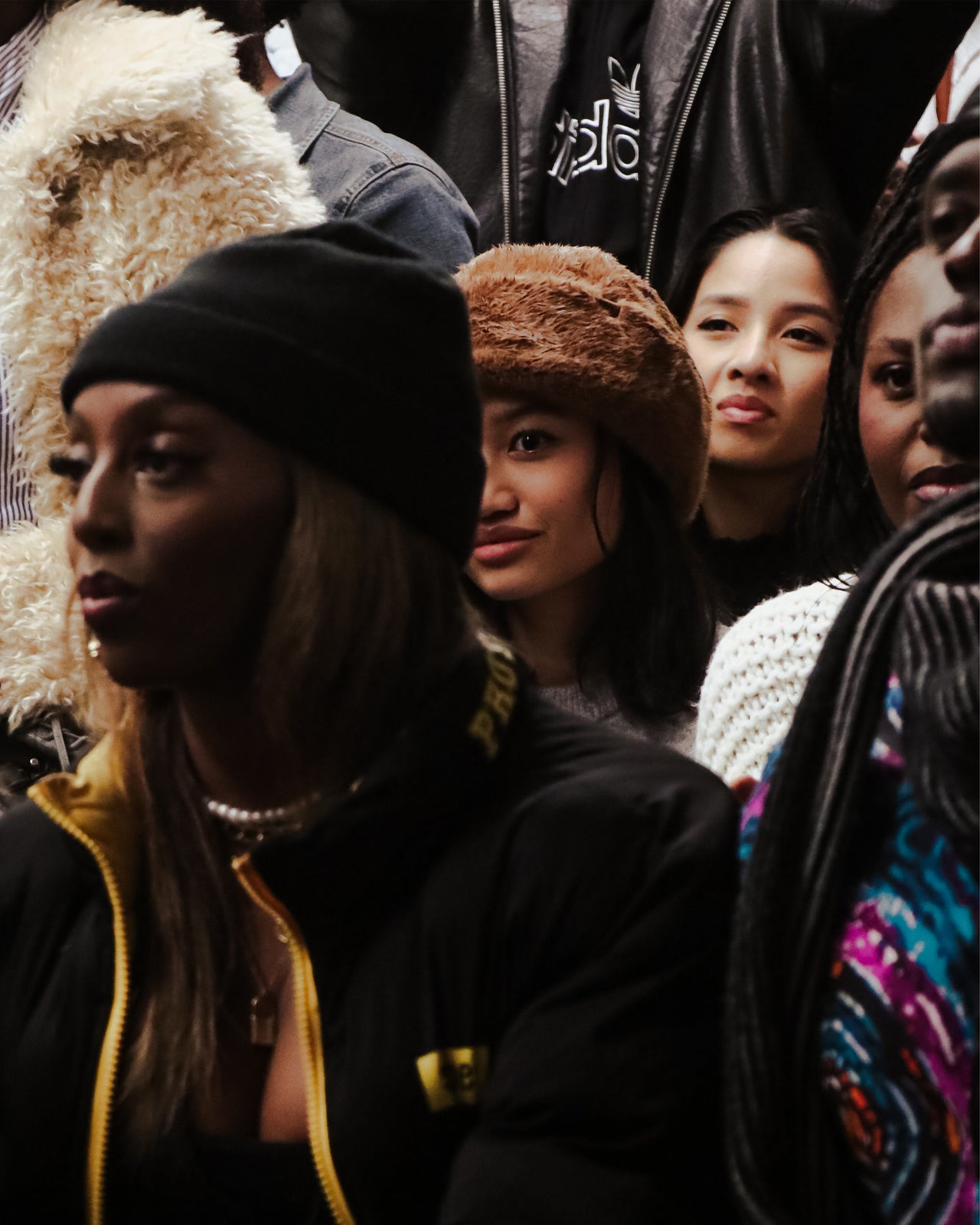
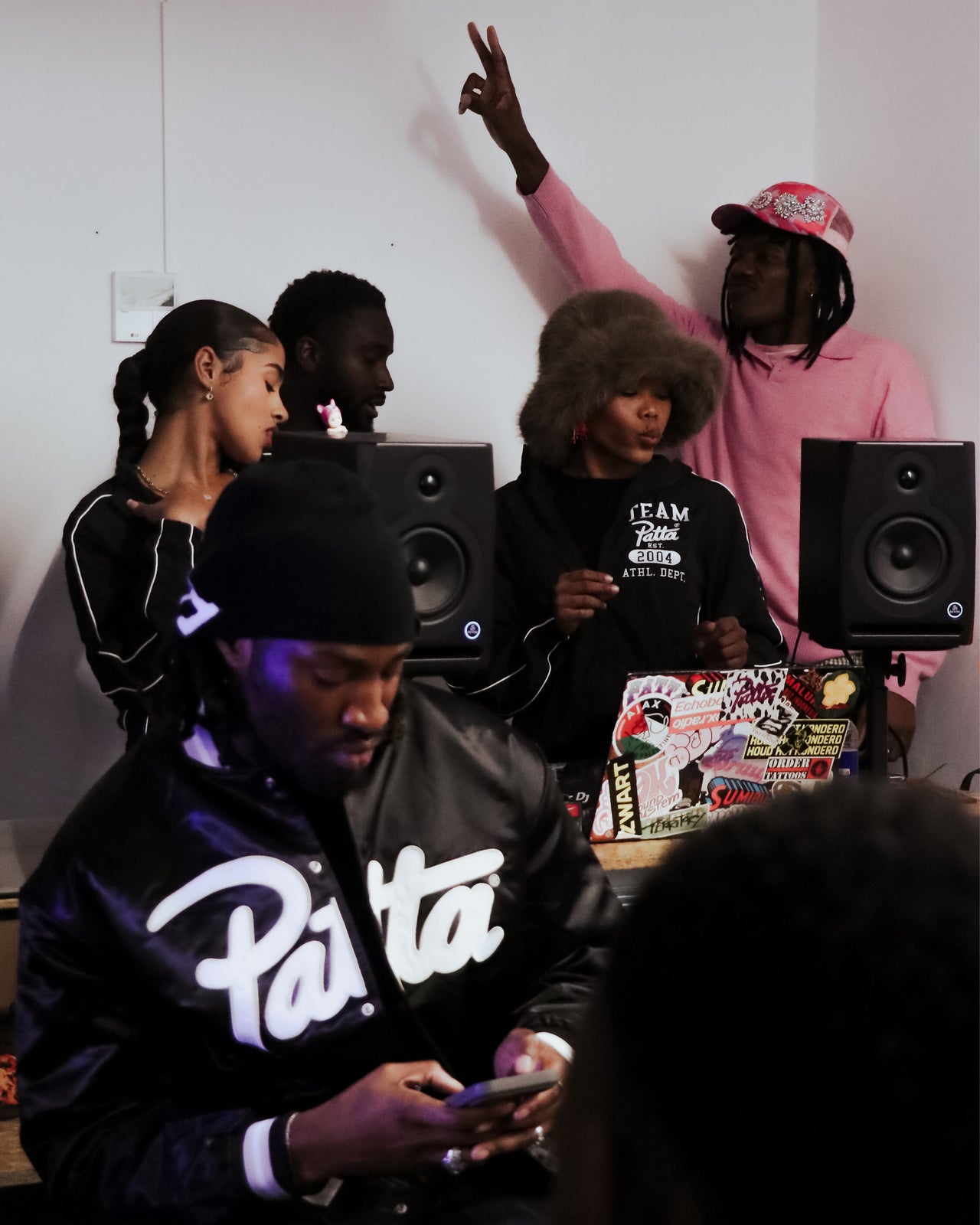
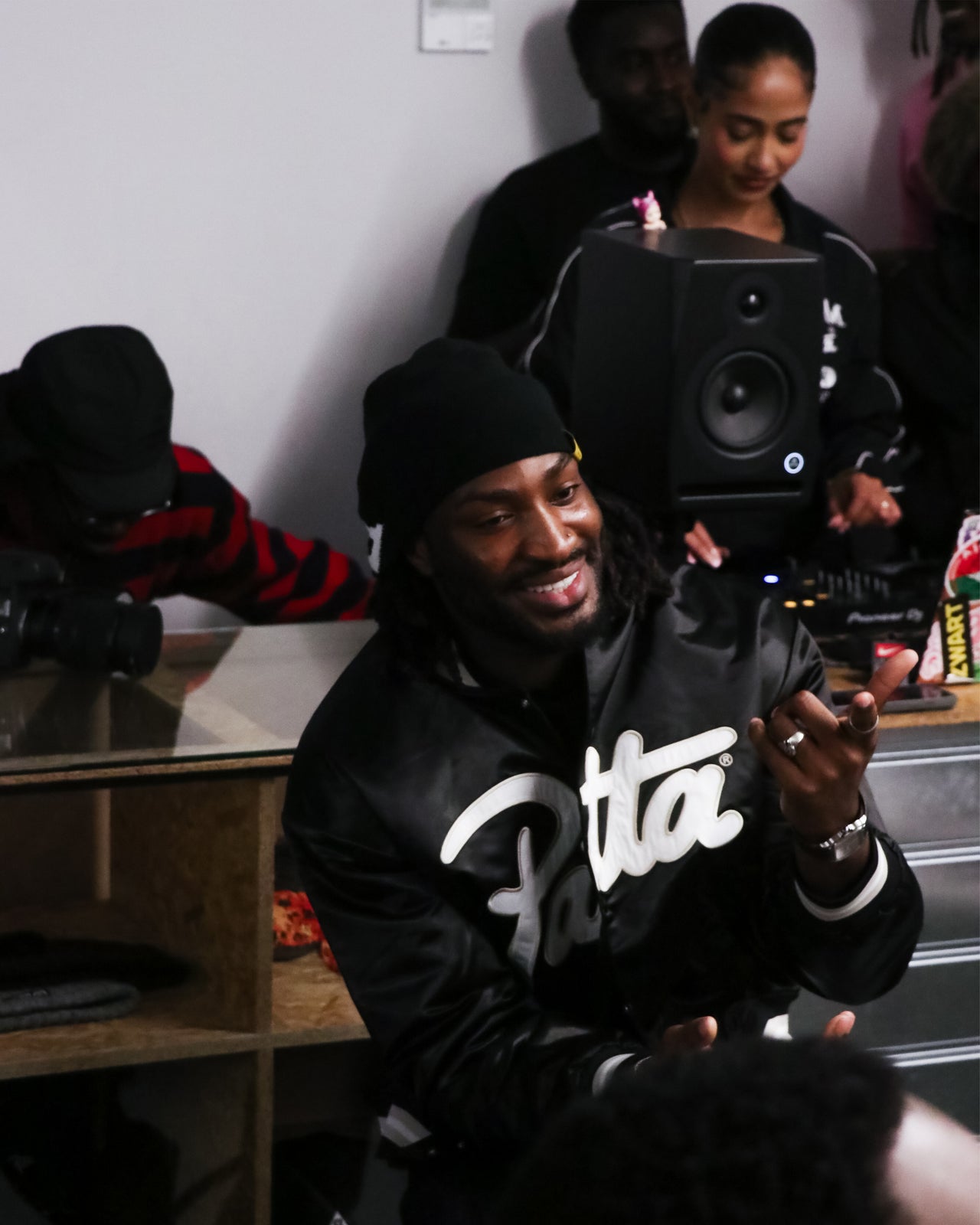
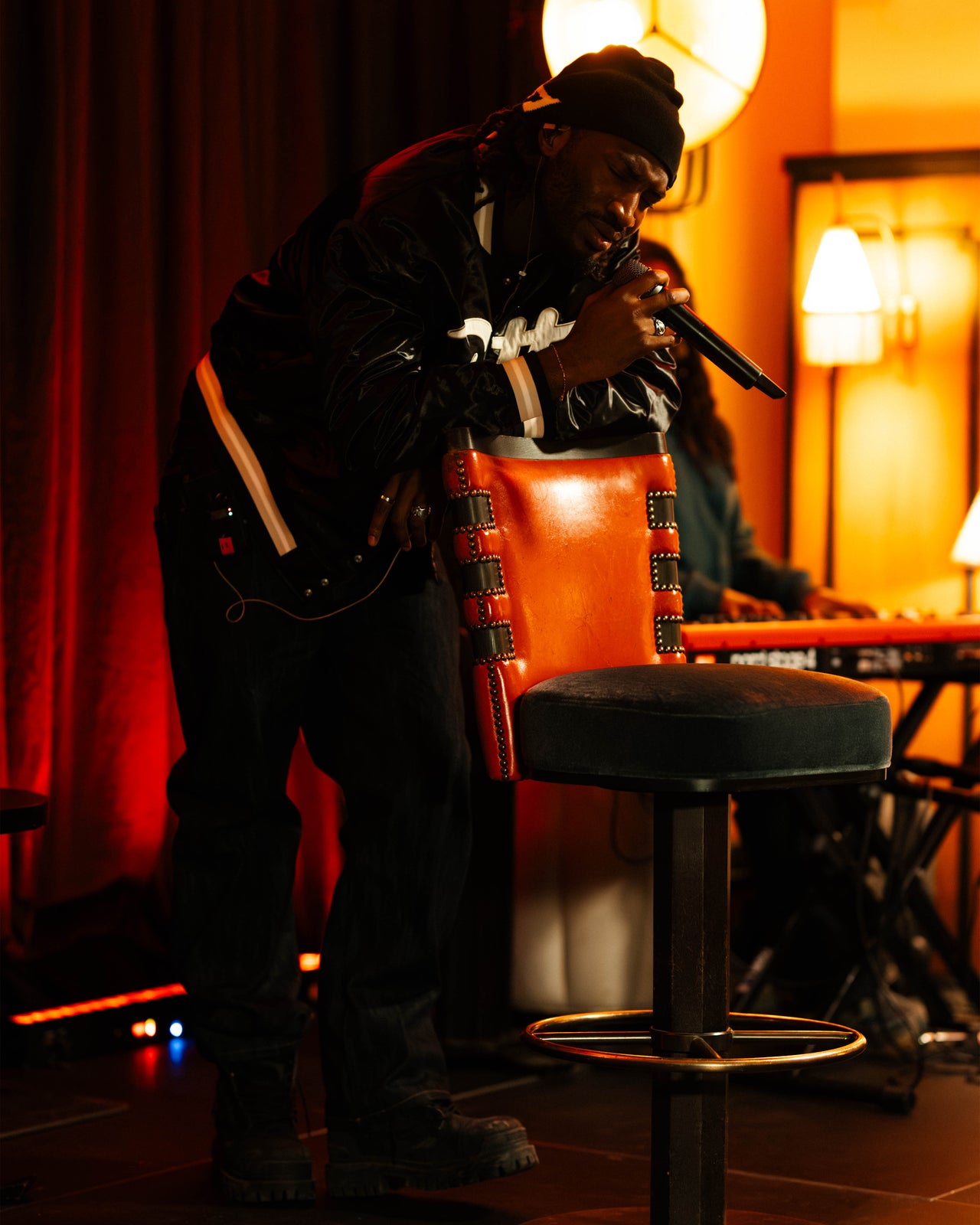
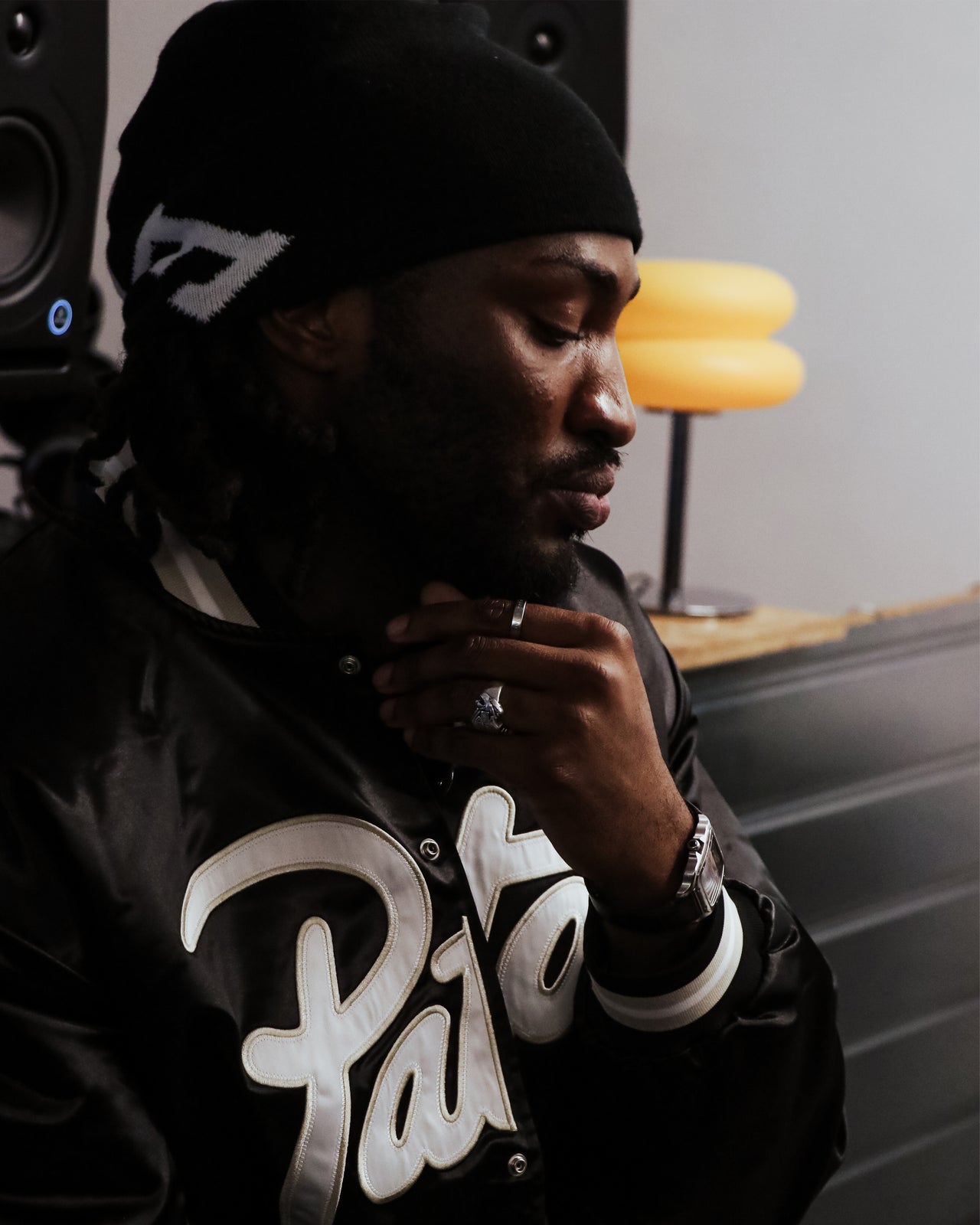
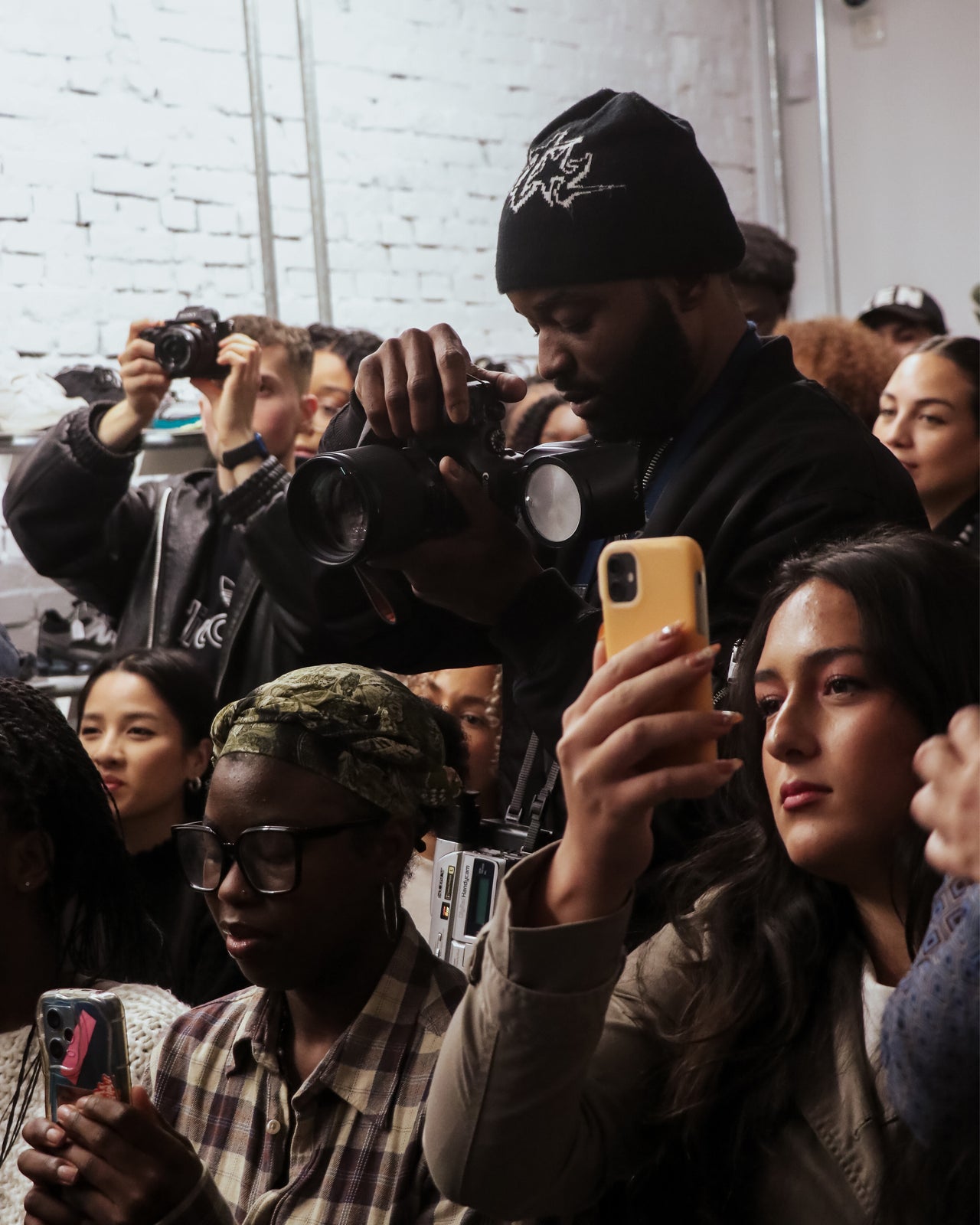
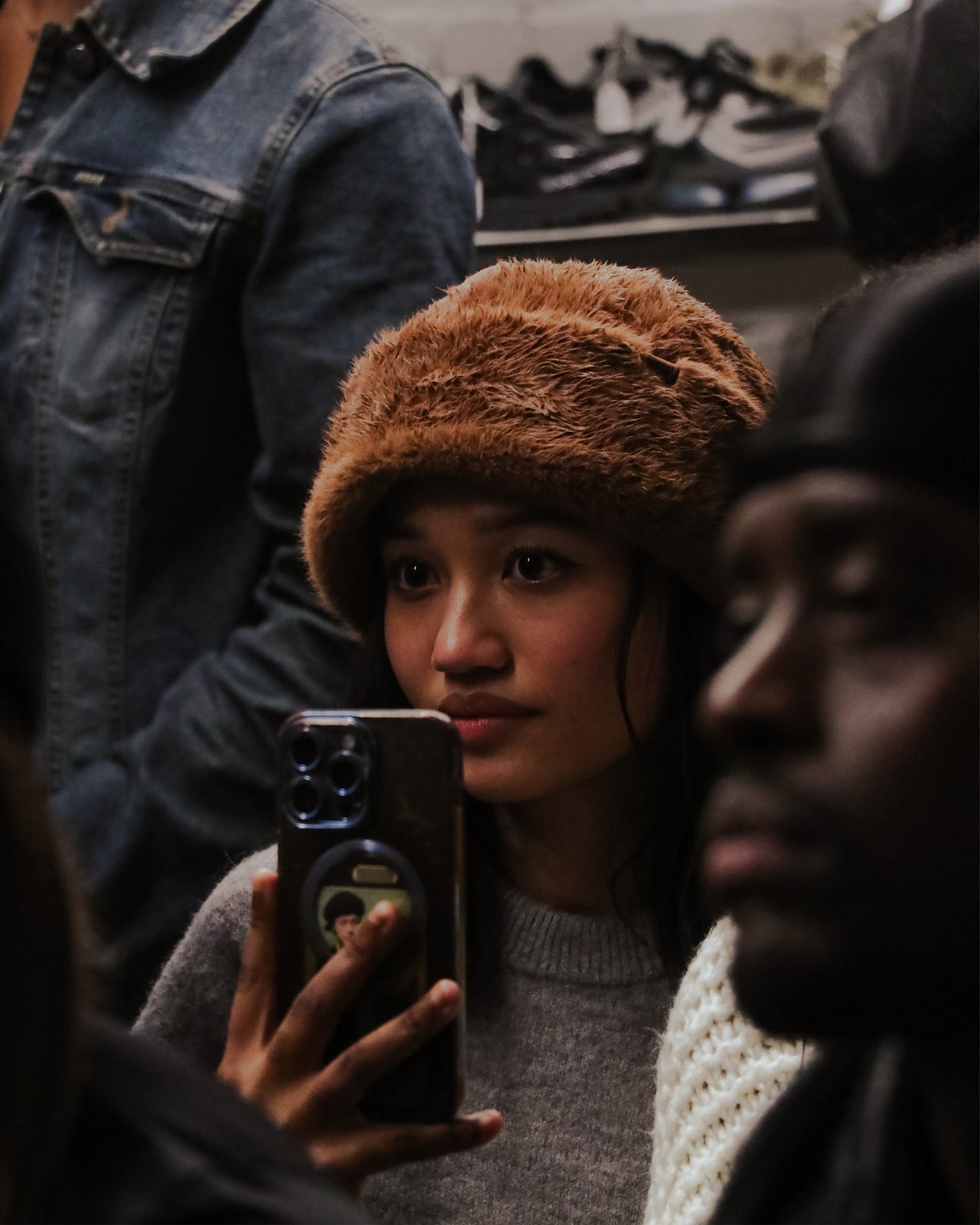
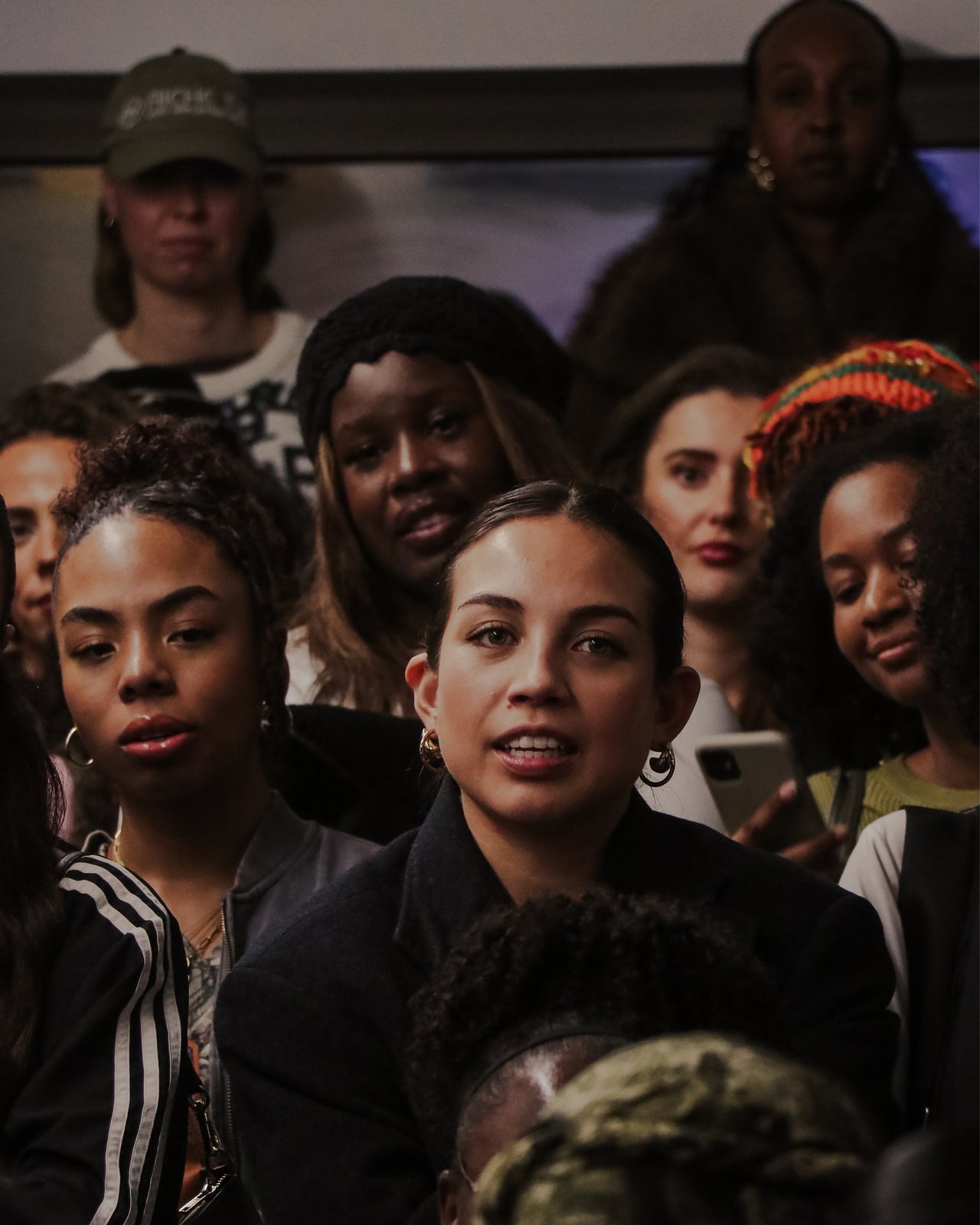
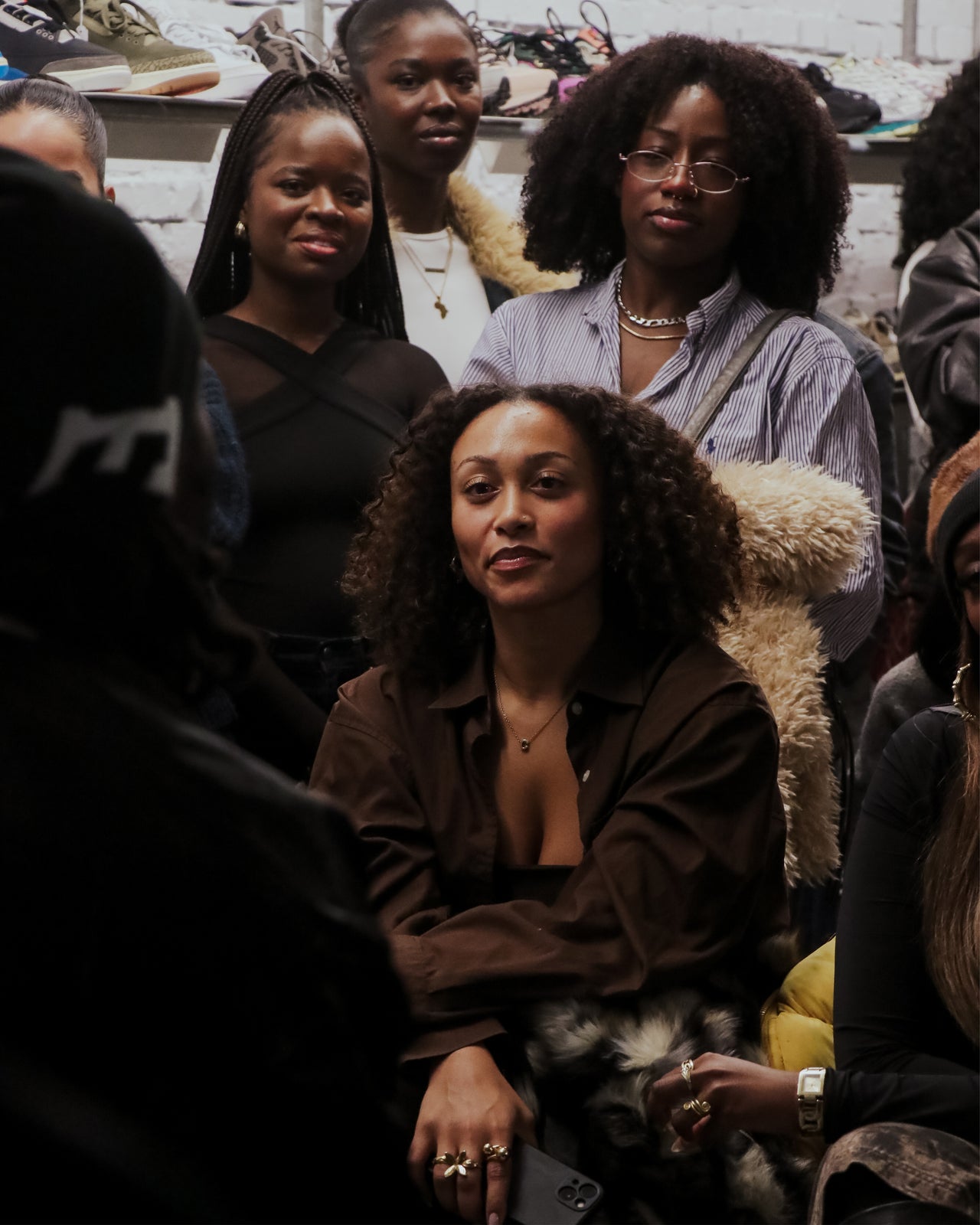
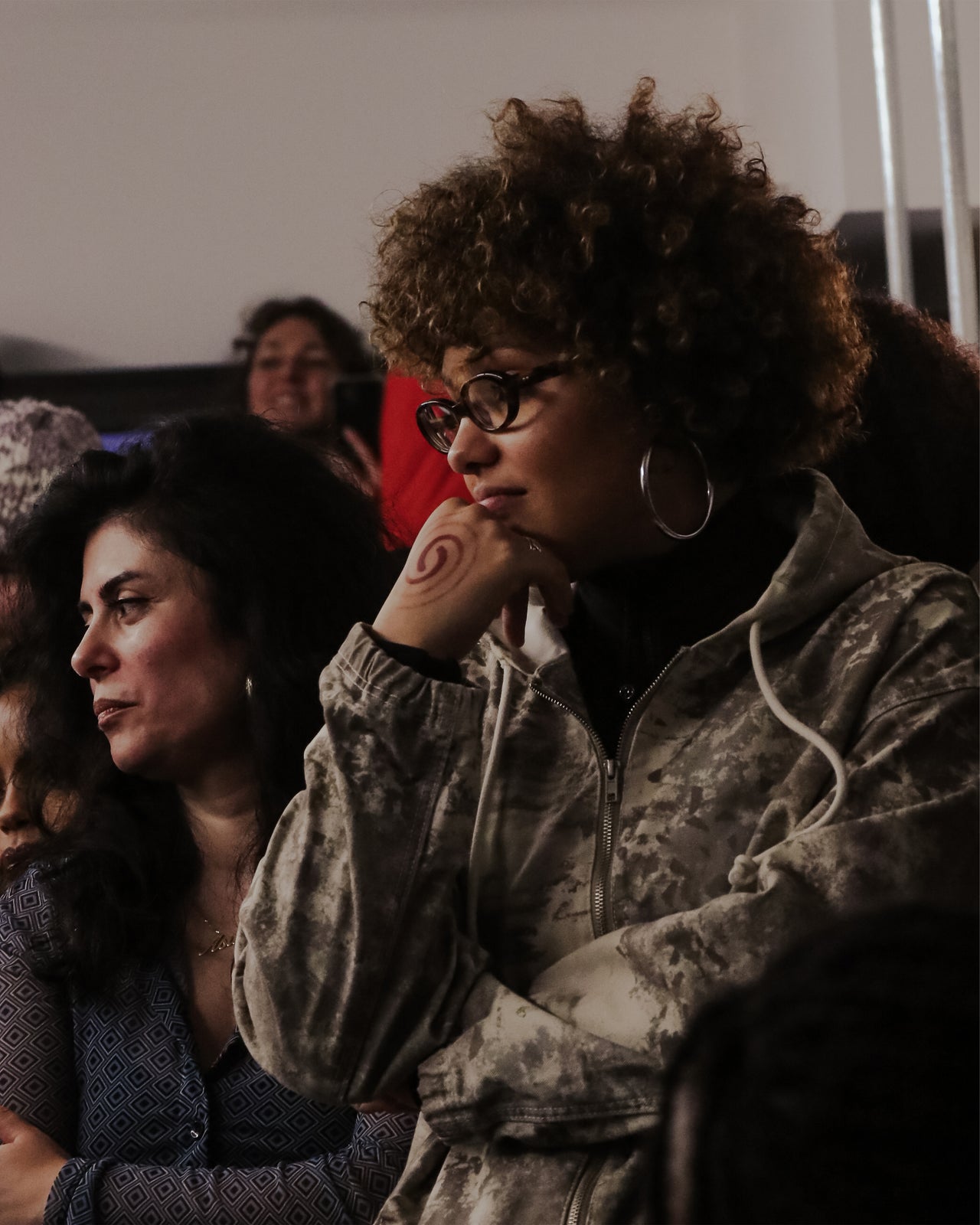
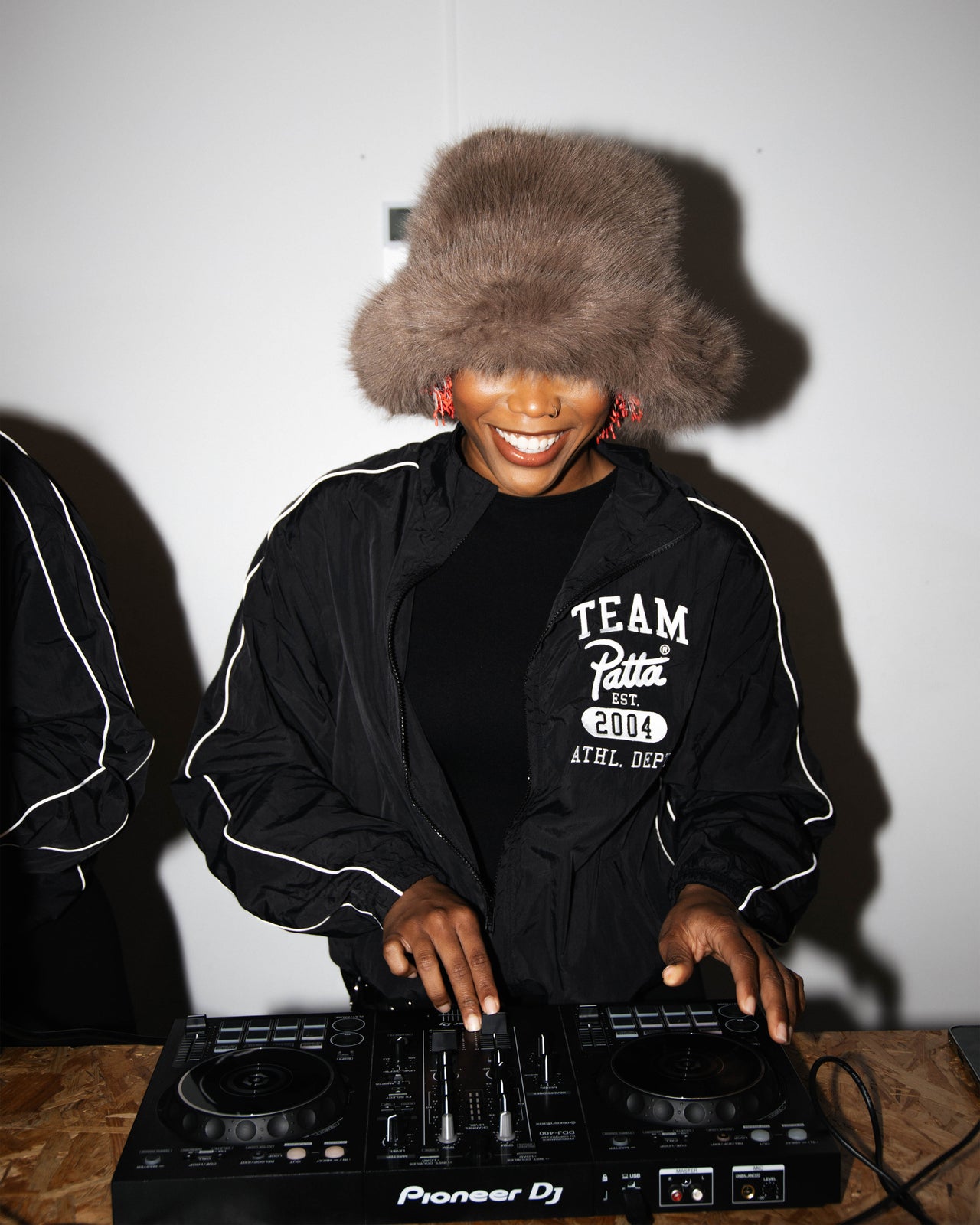
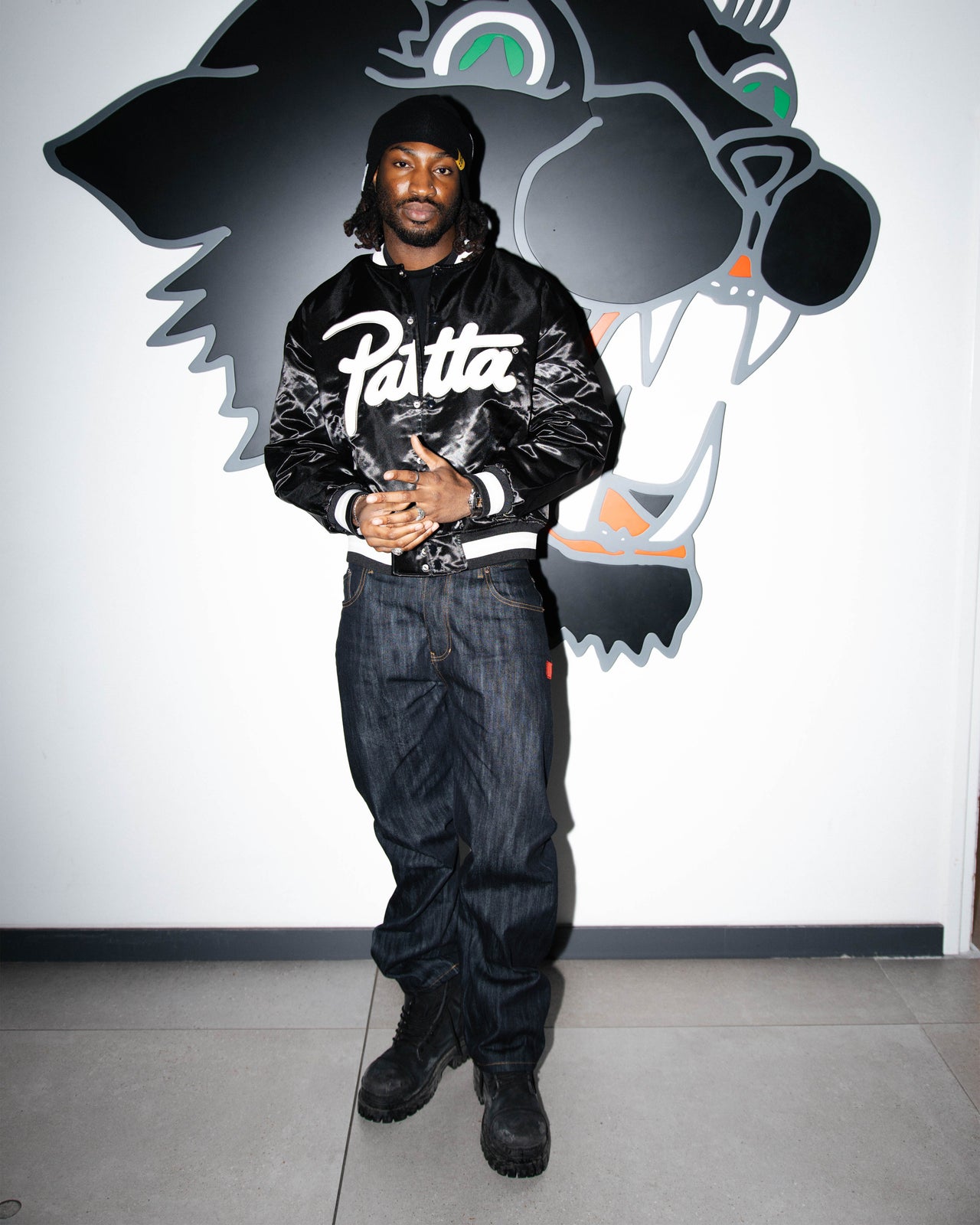
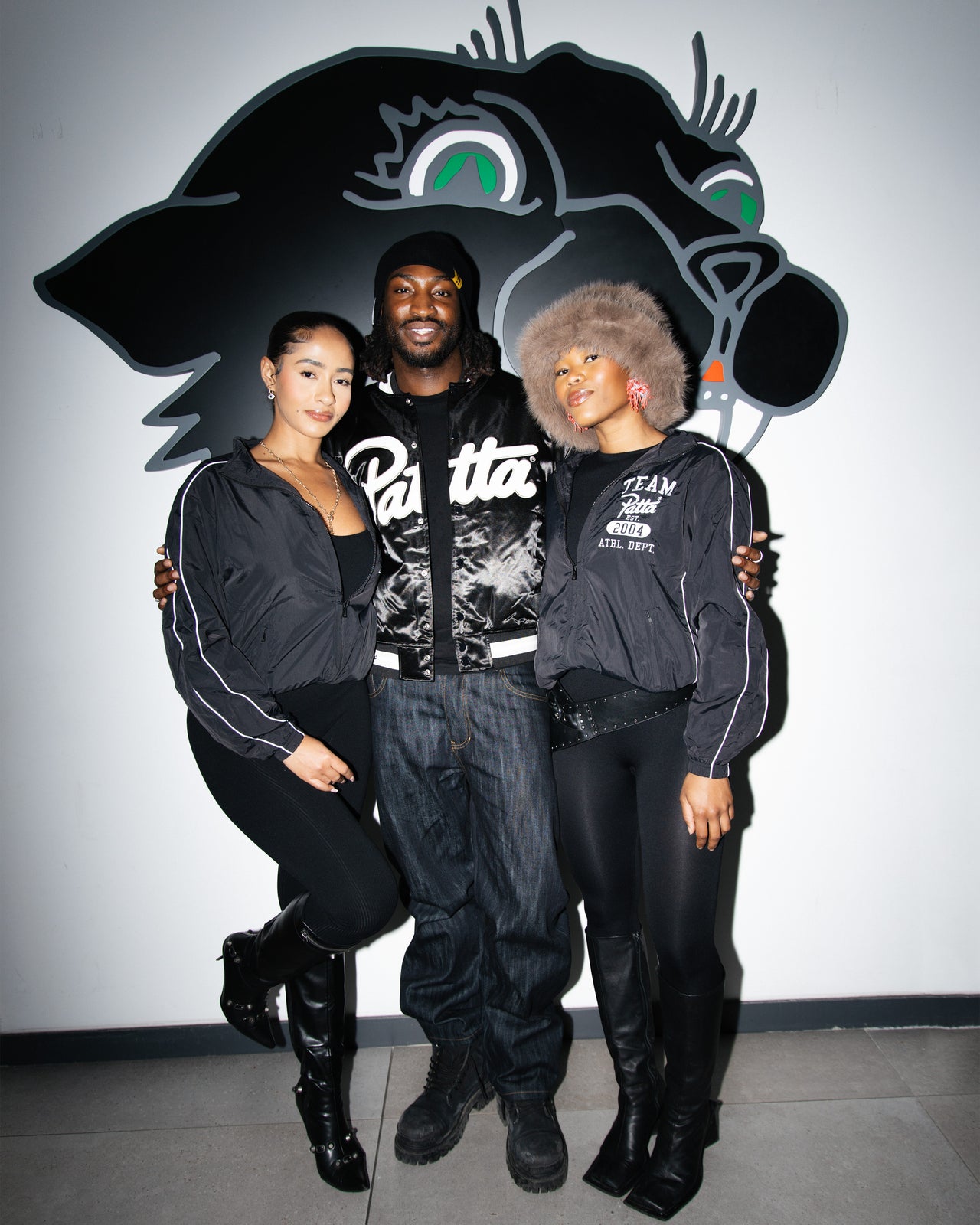
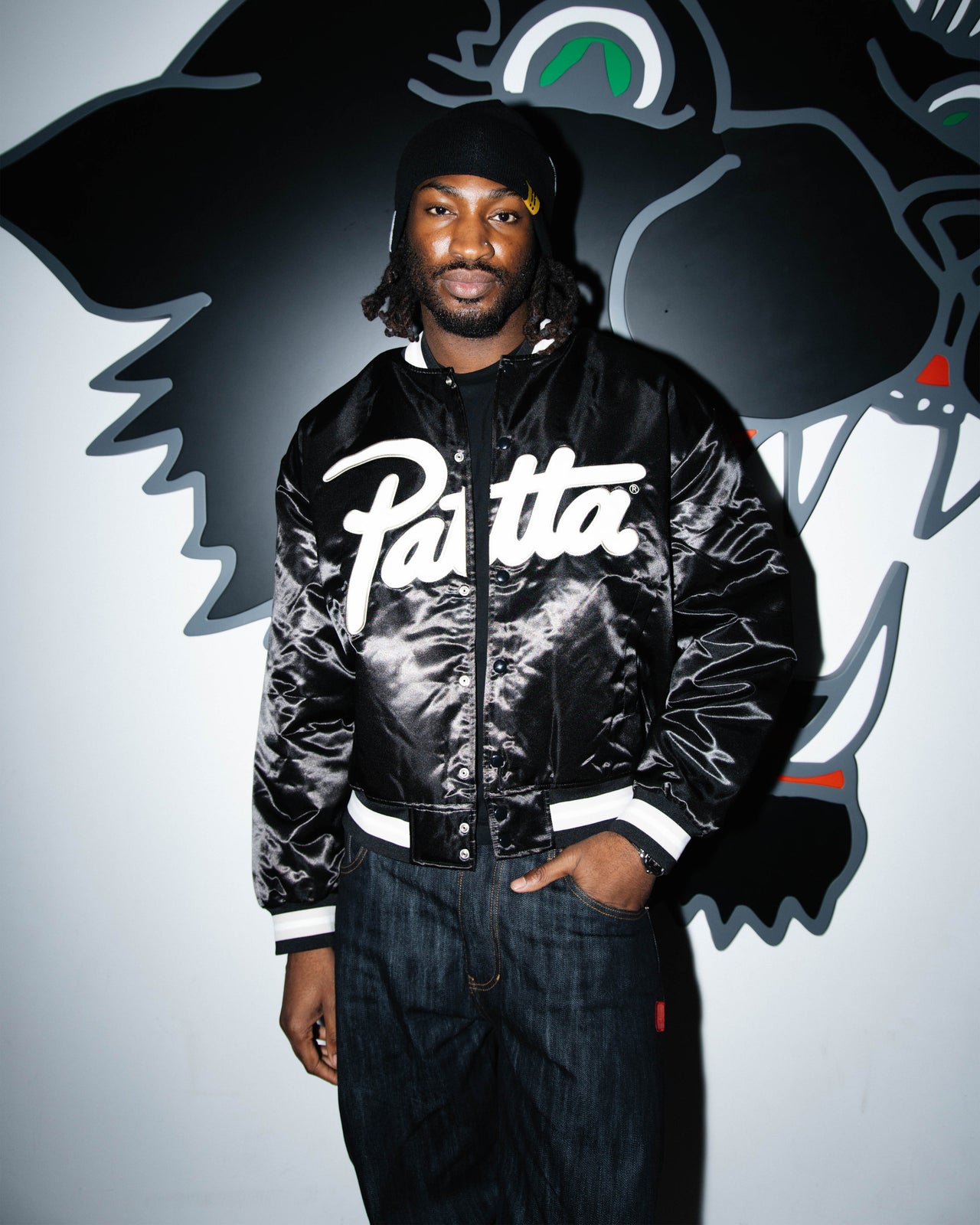
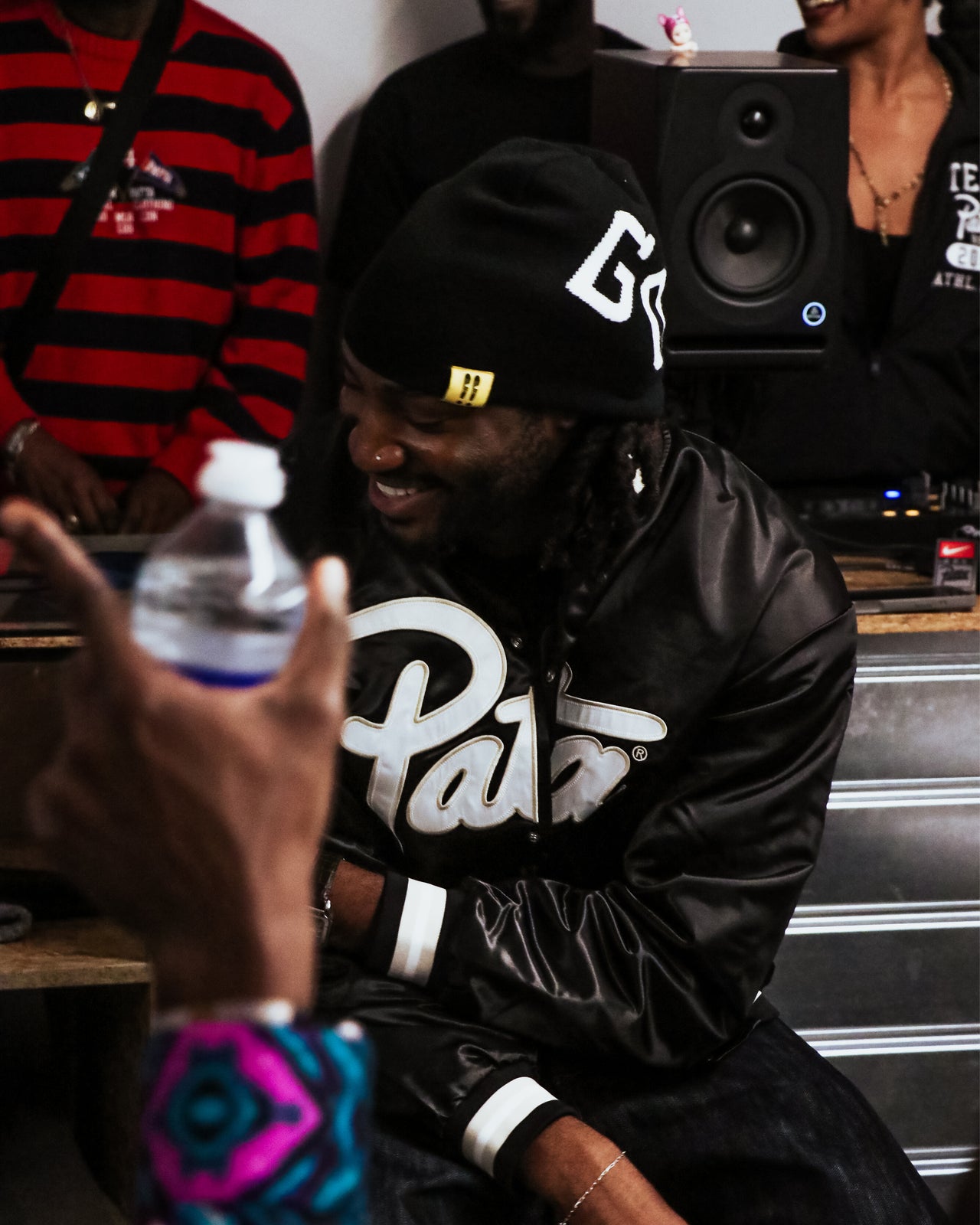
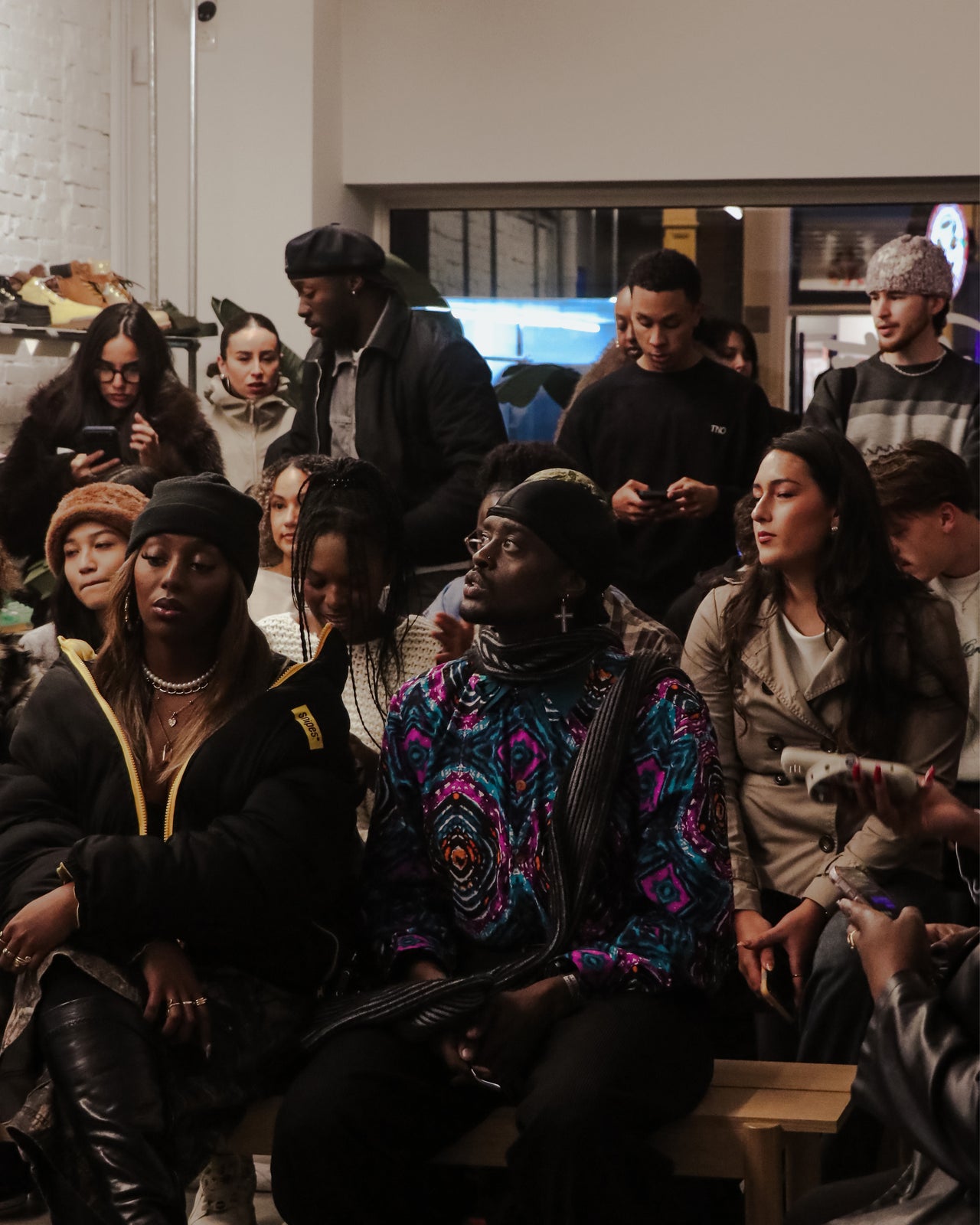
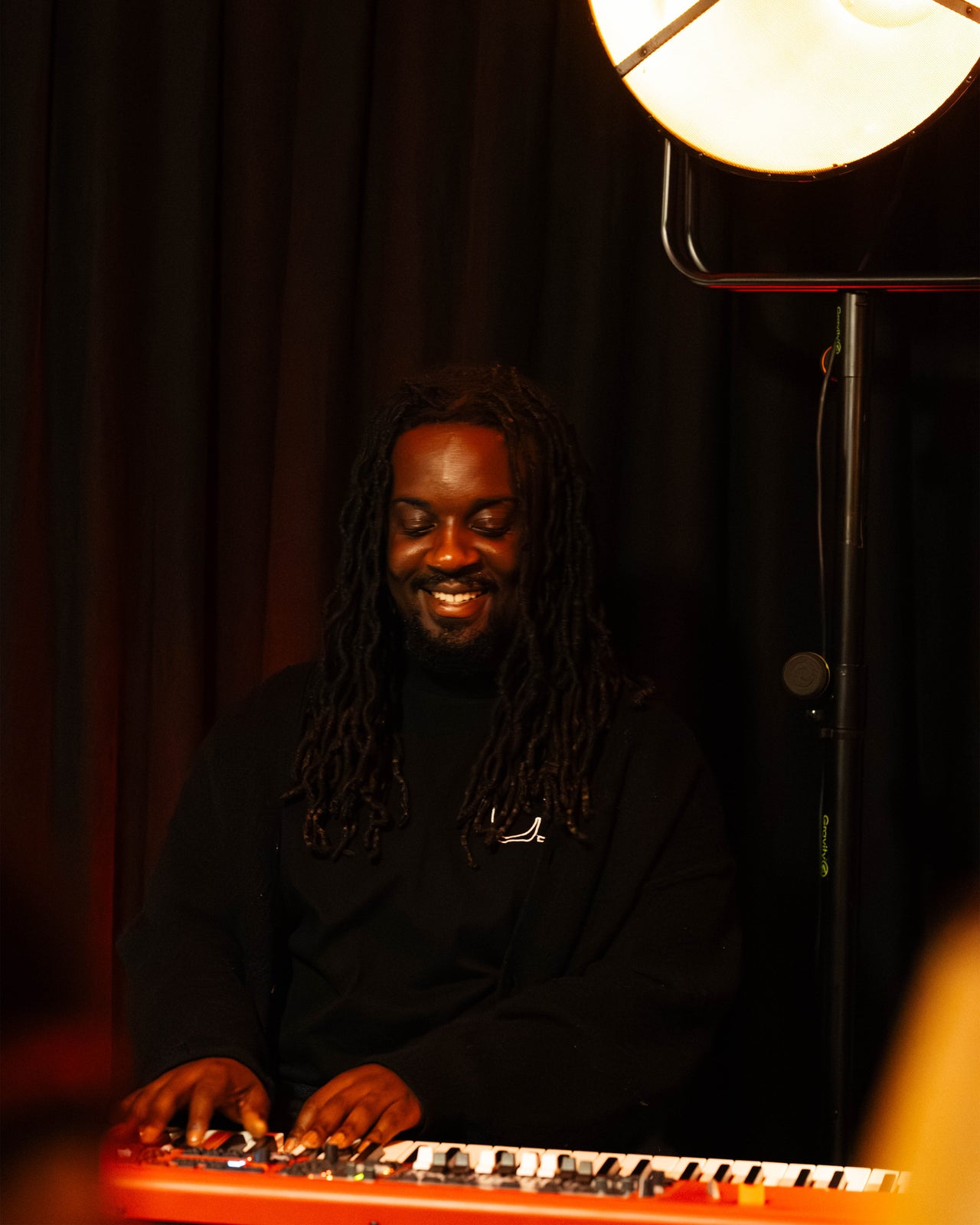
Interview by Passion DEEZ | Photography by Aryan Hamyani WB&B started with a barbecue that never happened. Sam Rahman and Jero Leeflang wanted to get their friends together by the lake, bring a sound system and have everyone pull up in white. That idea eventually found its way into TILLATEC, where an all-white room, bottle service, dancers and a surprise appearance from Ronnie Flex gave their first edition a life of its own. Friends for more than a decade, the pair have spent plenty of weekends on the dancefloor together. With backgrounds in production and jewellery, they bring a shared love of hosting into everything they do. WB&B draws on Rotterdam's hip-hop history, the style of white parties in Suriname and the pleasure of finding yourself in a room with people you wouldn't usually meet. The outfits are part of it. So are the unexpected moments and having a proper dance. We've got love for the people creating the nights they want to be at. Ahead of their second edition with Bobby Shmurda at Bitterzoet, we caught up with WB&B to talk about friendship, dressing for the occasion, bringing different scenes together and why the fun starts long before the first track plays. Get familiar below. For anyone just getting familiar, could you introduce yourselves? What were you both doing before WB&B, and how did you start working together? We've been good friends for over ten years. We both come from different creative backgrounds. Jero is a jewellery maker who also organises exhibitions, while Sam works in production. We first started working together on Jero's exhibitions, with Sam helping out on the production side. We've also worked closely together as ambassadors for Aanpak Binnenstad, an initiative from the municipality of Amsterdam. Somewhere along the way, we started talking about throwing a barbecue with live acts, DJs and an all-white concept. We've been going out together almost every weekend since we met, visiting different parties and experiencing different sides of nightlife. The idea was simple: it's summer, let's throw a barbecue by the lake, invite all our friends, bring a sound system and get everyone to dress in white. We know plenty of artists and DJs, so we thought we could create something special together. The barbecue never happened, but the idea made it into the club. How did that first edition come together? The original barbecue never happened, but then SEXYLAND approached us about hosting a room at TILLATEC. We realised we already had this concept sitting there, so why not bring WB&B into that environment? We started thinking about the Rotterdam sound from back in the day, particularly that period when hip-hop and R&B were heavily influenced by club culture. It was the swag era, when everyone was dressed in designer clothes, looking clean, going out with bottle service and VIP tables. There was a whole lifestyle and aesthetic around that music. We wanted to recreate that feeling somewhere completely unexpected. TILLA TEC is normally associated with electronic music and a very different crowd, so bringing that atmosphere into the space felt exciting. Working with SEXYLAND gave us the opportunity to build the concept properly. We decorated the room in white, created a huge VIP deck overlooking the crowd and introduced bottle service. Ronnie Flex even came through as a surprise performer. It was more than just a club night. People had to think about their outfits, the music connected them to a particular era, and the whole experience encouraged everyone to let loose. People got drunk, did scandalous things and had a lot of fun. That's exactly what we wanted. You've spent years going out together. What were you missing, and what makes a night stay with you? We were missing the fun. After going out for so many years, you start recognising what makes a night special. It's the people you're with, the music, the atmosphere and those unexpected moments that happen along the way. Usually, the nights you remember most are the ones where something happens that wasn't supposed to happen. Something funny, ridiculous or scandalous that you'll still be talking about years later. We wanted to bring all those elements together and create an experience where people think about the night before they even arrive. What are they going to wear? What can they expect? Who are they going to meet? We also love playing with expectations. Sometimes you see a flyer, recognise the DJs and already know exactly what kind of night it's going to be. But when you enter a space and the atmosphere is completely different from what you imagined, that surprise makes it special. With WB&B, we want to create those moments rather than leave everything to chance. It's about the music, the theme, the dancers and everything surrounding the party. We want people to experience the full package. You're coming from different creative backgrounds. How does that work when you're putting together the music, the visuals and the overall idea? It's a lot of back and forth. We've worked together for so long that we've naturally developed a way of collaborating. We don't really have a strict division of roles. Production tends to sit more on one side, but conceptually, everything comes together through conversation. Sometimes one of us comes up with an idea, and the other feels something is missing and builds on it. We might start with an idea that's entirely about the experience, without even considering the music yet. Then we'll start thinking about what kind of sounds would work, which artists make sense and how everything fits together. Since our first edition, we've also had venues, agencies and managers approaching us with different opportunities. Sometimes an artist becomes the starting point, and then we ask ourselves what kind of concept we could build around them. The important thing is that it always feels like WB&B. We don't want to book someone just for the sake of booking them. There needs to be something exciting about the experience. The all-white dress code gives people something to work with before they've even left the house. Where did that inspiration come from? Suriname was a big inspiration. We were there together around Independence Day, and the all-white outfits really stood out to us. We also attended an all-white party, and seeing so many people dressed in white together looked incredible. It's a stylish dress code, but it's also very sexy. We don't give people too many instructions beyond pulling up in white, and they take that in completely different directions. Some people come looking really clean and sophisticated, while others arrive in these over-the-top, sexy outfits. That's what makes it fun. The dress code also creates anticipation. People have to think about what they're going to wear, and that means they're already participating in the concept before they arrive. That first edition also paid homage to Rotterdam's hip-hop scene. What does that era mean to you? It's music we grew up with. Artists like Broederliefde, FMG and Equalz were such a big part of that period, and Rotterdam had its own very specific sound. The music videos from that era had a whole club atmosphere. You had the designer clothes, the bottles, the girls and the VIP experience. It wasn't just about the music; there was a style and culture attached to it. We felt like those kinds of parties weren't really happening anymore in the spaces we were going to. There weren't many hip-hop and R&B nights giving us that same feeling. It might sound simple, but bringing fun back to hip-hop is really what we're trying to do. We also have to give props to Ronnie Flex for DJ ROFFA. That project was paying tribute to the same era and sound while we were building towards our first event. People were excited about that music again, so the timing felt perfect. Ronnie Flex · DJ ROFFA (LIVE @ FLEX FM) Having him perform as a surprise act made everything come together. We were bringing that Rotterdam sound into an Amsterdam space where people normally expect something completely different. That's what made it so special, and it's also why Bobby Shmurda feels like such a good match for the next edition. Bottle service, dancers and a VIP deck inside TILLATEC is quite a combination. What happened when those worlds came together? That's exactly what made it exciting. We love parties where you can explore, walk around and meet people you wouldn't normally see every weekend. At TILLATEC, we had people who would never usually go to that venue meeting people who would never normally attend that kind of hip-hop party. You had completely different worlds coming together in one space. We built this raised VIP deck overlooking the crowd, a huge stage and an entire club experience around bottle service. It was strange in the best possible way because you wouldn't expect to see any of that inside TILLATEC. Bottle service is part of the club culture we wanted to reference, but it's about more than buying a table or sitting somewhere exclusive. We had bottle girls changing outfits throughout the night, dancers, an MC and all these people contributing to the atmosphere. It's almost like having five or six hype women keeping the energy going throughout the night. We'd love to bring that VIP experience into every edition, although it depends on the venue. Bitterzoet doesn't really lend itself to the same setup, but we're still bringing the dancers and that energy. For edition two, you're bringing Bobby Shmurda to Amsterdam. How did that go from a conversation to an actual booking? It all happened incredibly quickly. About four weeks before the event, we got a call through a family connection who had been in contact with Bobby. He wanted to do a show in Amsterdam, and suddenly we had this opportunity in front of us. At first, we weren't even sure if we could make it happen. We spent the weekend thinking about it, and then on Monday we decided we had to move quickly. There was a meeting with Bobby in Manchester, and things started becoming real. We paid a deposit, he sent us a promotional video and everything was moving forward. The only problem was that we still didn't have a club. We were about two weeks away from the show, and because it was the last weekend of the month, practically every venue in Amsterdam already had a programme. We'd committed to bringing Bobby over without knowing where he was actually going to perform. After calling almost every club in Amsterdam, we managed to secure Bitterzoet. Looking back, it was probably the best possible venue for the show. Culturally, it makes perfect sense. It's a hip-hop club, and Bobby is such an iconic artist that we felt we had to take the opportunity. What made the process easier was how excited he was about coming to Amsterdam. He was calling us, texting us, sending videos and asking about the venue. There was so much positive energy around it that we knew we had to make it happen. What does Bobby's music mean to you personally? What comes back when you think about that period? We've always loved hip-hop, and Bobby represents such a specific moment in the culture. When "Hot N*gga" came out, it was everywhere. The music, the dancing, the energy in the videos and the way he carried himself were all part of what made him so exciting. It was a huge moment for hip-hop, but also for internet culture. We're not saying it was the beginning of things going viral, but it was one of those early moments when a song, a dance and an artist became impossible to escape online. Then you had records like "Bobby Bitch" and "Computers". Those tracks became part of the soundtrack to that period of our lives. There's something nostalgic about that era, but the energy still holds up today. Bobby has always had this ability to make music that feels raw and exciting while still being fun. That's why we think he'll fit perfectly with what we're trying to build. You've got JayKoppig, Pretty Girls Like Trap Music and Godsendo in the mix as well. What did you want the rest of the programme to bring? We wanted to build a line-up that complements Bobby while keeping the entire night fun and danceable. Pretty Girls Like Trap Music bring that trap sound, but they also know how to mix things up and get people moving. They fit naturally alongside Bobby's performance. Then we have JayKoppig, bringing that Amsterdam connection. Musically, he's coming from a similar corner, so it makes sense to have him on the bill. Godsendo is closing the night, bringing in more Afro sounds and making sure everyone keeps dancing. We think he's one of the best DJs in Amsterdam. We didn't want the entire programme to stay in one musical lane. If the whole night was just drill or trap, it wouldn't necessarily create the experience we're looking for. The DJs surrounding the live performances are there to take everyone on a journey, with those big energetic moments when the artists come onstage. At the end of the day, we want to make sure everyone shakes their booty. That's important too. You've spoken about bringing different scenes into the same room. What connections would you like to see more of in Amsterdam? We don't necessarily think Amsterdam is missing connections, but people do tend to stay within their own bubbles. You have different groups going to different clubs, listening to different genres and experiencing nightlife in completely different ways. For us, the most exciting thing is when people from different backgrounds, cultures and scenes come together in one space. Where you host a party makes a huge difference too. Bringing a particular sound or atmosphere into a venue where people wouldn't expect it creates something much more interesting than simply putting it somewhere familiar. We love hip-hop. It's what we grew up with, and it's a huge part of who we are. But we also love house music, Afro music and plenty of other styles. Sometimes nightlife feels too niche, and sometimes it feels too mainstream. We want to find that middle ground where different people can come together and enjoy themselves. It's about making something that feels believable for everyone without being restricted to one genre or one scene. We want to bring all those different worlds together in our own bubble. With Bobby coming over, you're also looking after his time in the city. What does being a good host mean to you? It's important to us that this is more than just a booking. We're coordinating his stay and want to make sure he has an amazing experience in Amsterdam from the moment he lands until the moment he leaves. We want to take him out for good food, show him around the city and introduce him to the people and places that make Amsterdam special. The whole thing came together so spontaneously, and we've built a direct relationship with him throughout the process. That makes it feel more personal. We want to create a connection rather than simply put someone onstage and send them home afterwards. That's part of what hosting means to us. Before we wrap up, what keeps you wanting to put these things together? The whole thing happened naturally. We weren't sitting around planning to start a party business. We were having conversations about the parties we used to throw and how much fun we had hosting people. We've always enjoyed creating experiences, whether that's organising exhibitions, putting on events or even throwing house parties with ridiculous additions like a fountain of rum. It's about giving people a reason to come together. We think it's important to create things for the place you're from and the people around you. Not everything needs to have some big financial motivation behind it. Sometimes you just want to bring people together, have a drink and create a good memory. With SEXYLAND, things became more serious because there was a proper budget and production involved, but the motivation hasn't really changed. We love making unexpected things happen. We're approaching WB&B from the perspective of people who love going out ourselves. We know what makes us excited to attend a party, and we're trying to create that same feeling for everyone else. At the end of the day, we just love hosting people and bringing different worlds together. From a rum fountain at a house party to bringing Bobby Shmurda to Bitterzoet, WB&B's instinct is to give people something to get involved in. What started as a barbecue between friends has grown into a platform for bringing different corners of nightlife together, with music, style and a healthy dose of unpredictability at its centre. With their second edition approaching, the collective continues to build on a simple idea: a good night out should be something worth remembering. Whether that comes from the music, the people you meet or the moments you never saw coming, WB&B is creating space for all of it. WB&B brings its second edition to Bitterzoet on Saturday, November 28, with Bobby Shmurda, JayKoppig, Pretty Girls Like Trap Music Soundsystem, Godsendo, Essi Chia b2b Folake and Nevsdeboi. Doors open at 23:30. The event is 21+ and the dress code is all white. Get familiar with WB&B and join them on the dancefloor.